
Aydın güneş paneli yıllık üretim hesaplama explained clearly
Learn how to estimate yearly solar panel output in Turkey using practical steps, realistic expectations, and common pitfalls to avoid.

Readers want a clear way to estimate how much energy a solar setup can produce over a year. This explainer breaks down what annual production means, how weather and orientation affect output, and what data you actually need. You’ll leave with a practical method to estimate, compare options, and spot likely errors before purchasing.
The piece sticks to concrete steps and avoid hype, focusing on what readers can measure, calculate, and verify. It also flags common missteps in planning, such as overestimating sun hours or ignoring system losses. By the end, you’ll know how to approach a local solar project with realistic expectations.
This article treats the subject as a practical journalism topic: it explains the calculation, its limits, and how readers can apply it to real-world decisions without assuming access to proprietary data or expert quotes.
- Estimate yearly solar output by multiplying system size by a conservative annual factor, then adjust for losses. Gather local weather data and compare against reputable calculators. Always verify warranties and permits before purchase.
- Use plain language when reading product specs; prioritize real-world performance over nameplate capacity. Track actual monthly kWh against forecasts to learn quickly. Start small if budget is tight, then scale with measured results.
- This explainer emphasizes practical steps, realistic expectations, and careful comparison. It avoids hype and focuses on data-driven planning. It also provides concrete actions readers can take immediately.
Basics and definitions
What annual production means
Annual production is the total electricity a solar array can generate in a year under typical conditions. It depends on panel efficiency, system losses, and the available sun hours at your location. Explaining this early helps readers set realistic goals for home energy use. Aydın güneş paneli yıllık üretim hesaplama is a term readers may see in Turkish energy content; the article will help explain it in plain English.
- Know your system nameplate capacity in kilowatts
- Expect losses from wiring, inverters, and temperature
- Understand that weather variations change yearly output
- Account for shading and maintenance needs
Key terms and units
This section defines watts, kilowatts, and kilowatt-hours clearly. Readers learn to read product specs and translate them into monthly and annual expectations. Clear terms prevent overestimated projections and misguided upgrades.
How to estimate your output

Collect location and system basics
Gather the installation address, roof orientation, tilt, and approximate panel count. These inputs anchor your calculation and make it easier to compare options. Recording them before shopping helps you stay grounded.
- Determine the system size in kW
- Estimate solar irradiance for your location
- Subtract estimated system losses
- Calculate yearly kWh with a simple multiplier
Use a simple formula
A straightforward method multiplies the system size by an annual solar factor to estimate yearly output. The factor reflects sun hours, efficiency, and losses. It gives a rough but useful benchmark for planning a home energy budget.
What to consider when choosing options
Types of systems
Rooftop panels are common for homes, while ground-mounted options suit some properties. Each has different installation costs, aesthetics, and maintenance needs. Understanding the trade-offs helps readers pick what fits their site and budget.
Access to data and warranties
Check manufacturer warranties, performance guarantees, and local permits. Reliable data reduces risk and aligns expectations with actual performance. This is a practical step before committing to a particular model or installer.
Pitfalls and practical checks

Overestimating sun hours
Many layouts assume peak sun hours that don’t reflect seasonal reality. This leads to optimistic production estimates and budget gaps. Use conservative figures to avoid surprises.
- Use local solar data rather than general averages
- Prefer conservative estimates to aggressive targets
Ignoring system losses
Wiring, inverters, and temperature reduce real output. Do not rely on the nameplate rating alone. Factor in typical loss ranges to avoid disappointment after installation.
Seasonal patterns also shift daily energy production, influencing system sizing and financial planning.
How weather affects output
Weather impact on production
Weather conditions directly alter solar output. Clear skies maximize irradiance, while clouds and shading reduce energy capture. Seasonal patterns also shift daily energy production, influencing system sizing and financial planning.
Keep a watchful eye on seasonal forecasts when estimating annual production. A cloudy spring can lower May output without changes to the installed capacity. This is why long-term expectations should account for typical weather variability across the year.
- Cloud cover reduces output
- Irradiance varies with season
- Storms can cause temporary dips
- Snow on panels reduces exposure
- Peak sun hours matter more than raw daylight
Costs and financing options
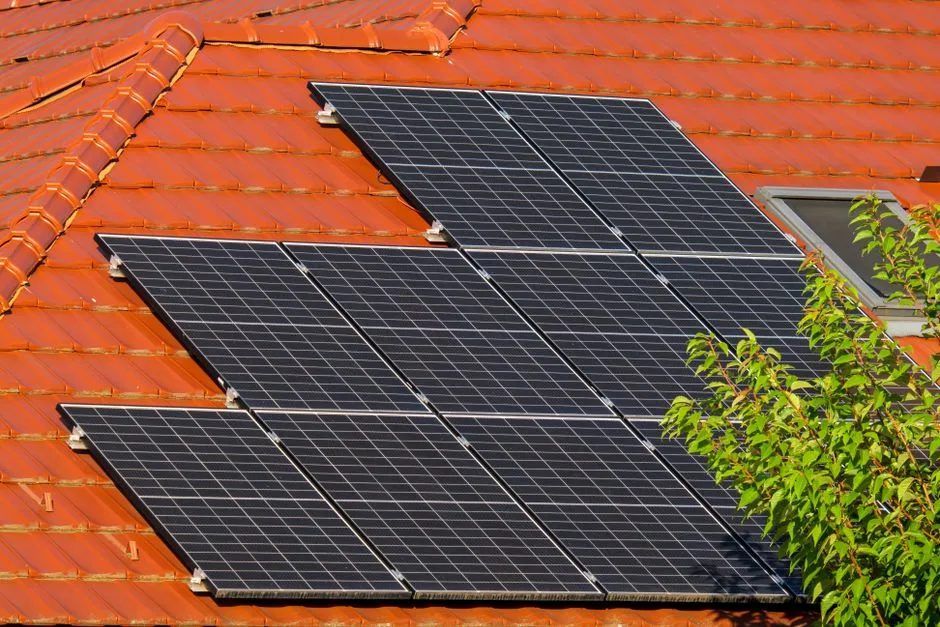
Financing paths and planning
Financing options shape the affordability and payback period of a solar install. Cash purchases minimize interest but require higher upfront funds. Leasing or power purchase agreements shift costs to monthly charges or per-kWh rates, often simplifying budgeting.
- Upfront cash reduces total cost if you can afford it.
- Leases and PPAs shift risk and maintenance.
- Review total cost and contract terms, not just monthly payments.
When weighing options, compare total costs over the system’s expected life, including maintenance and potential incentives. Favor plans with predictable payments and clear responsibilities for warranties and repairs.
Financing decisions should align with your household cash flow and risk tolerance, not just the sticker price of equipment.
- Cash purchase favors long-term savings
- Leases transfer responsibility to provider
- PPA prices depend on usage
- Incentives can improve economics
- Warranties matter for long-term reliability
Permits and installation basics
Permitting process explained
Most jurisdictions require permits before installation. This typically covers electrical work, structural safety, and grid interconnection. Processing times vary, so start early to avoid delays.
A licensed installer should handle filings and ensure compliance with local electrical codes. They also coordinate with the utility for net metering or interconnection.
Documenting fire safety and system labeling helps inspectors approve site readiness and helps maintain warranty coverage.
- Obtain local permits
- Coordinate with utility
- Ensure proper labeling and access
- Keep copies of permits for records
- Account for processing time in schedule
Measuring success after install
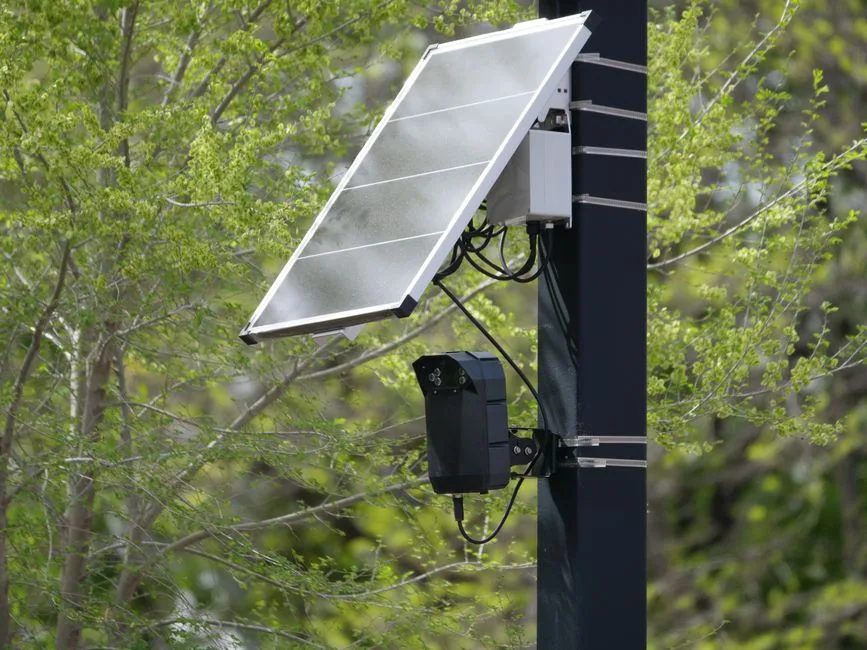
How to track performance
Post-install, use performance data to verify system health. Compare actual production with estimated output from the installer’s model, adjusting for weather. Consistent shortfalls can signal shading, soiling, or wiring issues.
Set up a monitoring account that alerts you to drops in production or equipment faults. Regular checks of inverter status and panel cleanliness help sustain efficiency.
Document monthly outputs and check against a year like you would track any other household utility bill, looking for steady trends rather than single-month flukes.
- Monitor monthly production
- Check inverter status
- Inspect panels for dirt or debris
- Record weather-adjusted deviations
- Investigate persistent shortfalls
Frequently asked questions
How does climate affect annual solar production?Climate shapes how much sun a panel receives across the year. Regions with longer sunny seasons produce more energy, while frequent cloud cover or snow can reduce output even with the same panel capacity. Readers should model expected variation rather than rely on peak-sun assumptions.
Do I need permits if I’m adding panels to an existing system?In most places, adding panels or modifying an installation requires updated permits and a utility interconnection check. A licensed installer will manage filings and ensure the system remains compliant with electrical codes and safety standards.
What should I look for in a warranty?Warranties typically cover performance and equipment. Look for a performance guarantee that ensures the panels maintain a minimum output over time, and a separate workmanship warranty for installation-related issues. Clear terms help avoid surprises if components degrade.
How do I verify post-install performance?Use the monitoring interface provided by the installer or a third-party service. Regularly compare actual production to modeled output, adjusting for weather. If a trend persists, contact your installer to diagnose shading, soiling, or wiring problems.
Next steps after reading
With a clearer view of how weather, costs, permits, and measurement affect solar, readers can plan a confident installation path. Start by gathering local permit requirements and a few contractor quotes to frame a realistic budget.
Next, set up a simple monitoring plan: choose a dashboard, note monthly production, and compare it to weather-adjusted expectations. This keeps you informed about performance and helps you act quickly if something drifts off.
For more insights on this topic, you might find How to assess solar panel discovery particularly informative.
Readers interested in this subject may also want to explore Understanding Yenipazar home solar systems: clear for additional perspectives.
For a deeper understanding of this topic, A practical guide to solar setup offers valuable insights worth exploring.
Add Tokyo City News as a preferred source on Google


