
Buy and Sell Motorcycle Tips: Practical guide for readers
Clear, newsroom-style guidance on buying and selling motorcycles in the USA, with step-by-step tips, pitfalls to avoid, and practical options for readers.

Buying a motorcycle in the USA requires careful steps and good information. This guide answers common questions with practical, newsroom-style advice that readers can apply. You will find concrete tips on evaluating bikes, handling paperwork, and choosing the right selling approach.
The first priority is safety and legality: verify ownership, confirm title status, and inspect mechanical condition. The article then walks through standard buying steps, common seller options, and typical pitfalls to avoid. Expect real-world examples and actionable checks you can perform this weekend.
Finally, readers gain a clear path from initial inquiry to final sale, with checklists and simple decision points. The aim is to help readers avoid costly mistakes and feel confident in each choice.
- Know what you’re buying by checking titles and history. Inspect the bike thoroughly and document flaws. Use safe payment methods and a formal bill of sale. Verify paperwork before transferring ownership to avoid disputes.
- Follow recommended checks for VIN, title status, and liens. Use secure, documented payment and ensure the DMV transfer is completed. Prepare for a smooth handoff with transparent communication.
- Evaluate selling channels by comparing direct sale versus marketplace listings. Understand timing, fees, and buyer expectations. Keep records and confirm ownership transfer in writing.
- Be aware of common mistakes, like accepting unclear titles, skipping inspections, or rushing negotiations. Prioritize safety, legality, and clear documentation throughout the process.
Basics of buying and selling motorcycles
Identifying trusted sellers
Start by verifying seller legitimacy and bike history. Check for clear titles, clean maintenance records, and honest responses about accidents or repairs. Compare listings with market expectations to spot mismatches. This helps curb scams and ensures you know what you’re buying. buy and sell in the USA are common steps in both buying and selling processes.
- ☐ Check title status and VIN
- ☐ Inspect the bike thoroughly
- ☐ Verify maintenance records
- ☐ Arrange a test ride if possible
Inspecting the motorcycle
A careful visual and mechanical check reveals most issues. Look for oil leaks, worn tires, corroded brakes, and frame damage. Start the engine only after a warm-up to hear for unusual noises. Take photos of every area that looks suspicious for later review.
- Oil on the ground
- Tire tread depth
- Brake performance
- Electrical functionality
- Chain or belt wear
How to verify paperwork and ownership

Title and VIN checks
Confirm the title matches the bike’s VIN and that there are no liens. A clean title simplifies transfer and reduces future disputes. If the seller hesitates, pause and verify with the local DMV. Always get a written bill of sale. Burb News USA offers practical reporting on market transactions and safety tips for buyers.
points-All
Registration and safety requirements
Registration rules vary by state, but most agencies require proof of ownership and a valid inspection. Check that the bike’s lights and safety systems are up to standard for street use. If you’re unsure, contact your state’s DMV for a quick checklist.
Payment options and how to close a deal
Choosing a safe payment method
Secure payment reduces risk for both parties. Prefer methods with traceable records, like bank transfers or escrow services. Avoid large cash deals in public places. Document every agreement in writing. promote your event in the USA can be supported by clear, compliant listing practices in automotive categories.
- Bank transfer
- Escrow service
- In-person meetup with receipts
- Avoid untraceable payments
| Option | Pros | Cons |
|---|---|---|
| Bank transfer | Traceable funds | Requires trust between parties |
| Escrow service | Protection for both sides | Fees apply |
| Cash on delivery | Immediate ownership | Rewards risk of counterfeit money |
Finalizing the sale
Draft a clear bill of sale that includes bike make, model, VIN, price, and terms. Exchange keys and the title only after funds have settled. Confirm that the buyer transfers ownership with the DMV, if required in your state.
Direct sales work best for riders who value control over timing and price.
Options for selling: direct and marketplace
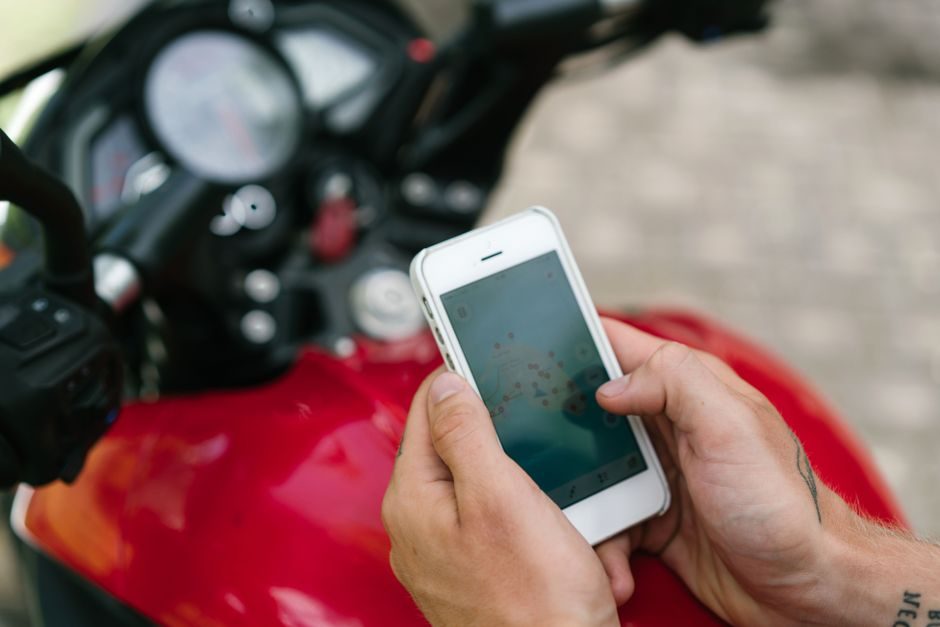
Direct sale channels for motorcycles
Direct sales offer speed and simplicity when a rider wants cash in hand or a quick transfer of ownership. You can meet buyers in public spaces, verify funds on the spot, and hand over keys once both sides confirm the paperwork. This path reduces platform fees, but it requires vigilance against scams and arranging safe payment methods. list your company in the USA is a straightforward process when you prepare proper documentation and follow local rules.
- Choose direct sale for speed and control
- Screen buyers and use safe payment methods
- Document transfer with a bill of sale
Direct sales work best for riders who value control over timing and price. If you price competitively and advertise clearly, you can avoid lengthy negotiations. Always complete a bill of sale and verify the buyer’s identity to reduce risk.
In-person exchanges should follow local laws on transfer of ownership and temporary proof of purchase. Keep a written record of the agreed price, condition notes, and any included extras. A test ride should be conducted only after proper insurance and helmet provisions.
- Set a clear price range before negotiations
- Meet in a well-lit, public area
- Insist on cash or a verified electronic transfer
- Limit test rides to insured riders with proper ID
- Capture a written receipt for both parties
Using online marketplaces
Online marketplaces broaden exposure and can yield higher offers, but they come with listing fees and longer wait times. Create complete listings with clear photos, a detailed description of condition, maintenance history, and known issues. Respond promptly to inquiries to keep interest high and move toward a sale.
Marketplace sales demand accurate timing and responsive communication. Provide honest condition notes to avoid disputes later and prepare to negotiate within a sensible price range. A seller who updates listing photos after inspection often signals transparency.
Protect yourself by using platform messages, avoiding personal contact until funds clear, and following platform safety tips for payments and pickup. Always check the buyer’s profile and avoid sharing sensitive information.
- Post high-quality photos from multiple angles
- Describe maintenance history and issues
- Set a firm but fair price and be prepared to negotiate
- Use platform payment and delivery options
- Document the transfer through the platform records
Red flags to watch
Warning signs in listings
Misleading mileage, blurred photos, or overly vague descriptions can hide problems. Look for a mismatch between listed condition and what is visible in photos. If the seller refuses to provide service records, treat the listing with caution. online obituaries in the USA
- A listing shows a clean bike with minimal photos and offers a low price; the seller avoids sharing the VIN or service records.
- A buyer pushes for a quick cash deal and insists on meeting at a non-public location.
Be wary of prices that seem too good to be true; they often signal hidden issues. Compare to similar models in your area to gauge legitimacy. Requests to move fast or skip standard checks can indicate risk.
If the seller pushes nonstandard payment methods or avoids meeting in a public place, pause the process. Reputable buyers provide contact information and allow a reasonable inspection period.
- Inconsistent maintenance history
- Vague or missing VIN and title details
- Pressure to close quickly
- Requests for unusual payment methods
- Missing or off-brand photos
Inspection red flags
A professional inspection can reveal hidden issues, but buyers may resist it if problems exist. If a seller refuses a pre-purchase check, consider it a warning sign. Some issues may be costly yet manageable with transparency.
Check for signs of previous crashes, frame damage, or mismatched panels. Listen for inconsistent explanations about ownership history or odometer readings.
Be cautious of sellers who cannot provide a clear maintenance log or whose bike has a rebuilt title. These factors can affect reliability and resale value.
- Unwillingness to authorize a PPI
- Hidden or altered odometer
- Recovered frame or crash history
- Mismatched parts or panels
- Lack of maintenance records
Maintenance and transfer timing
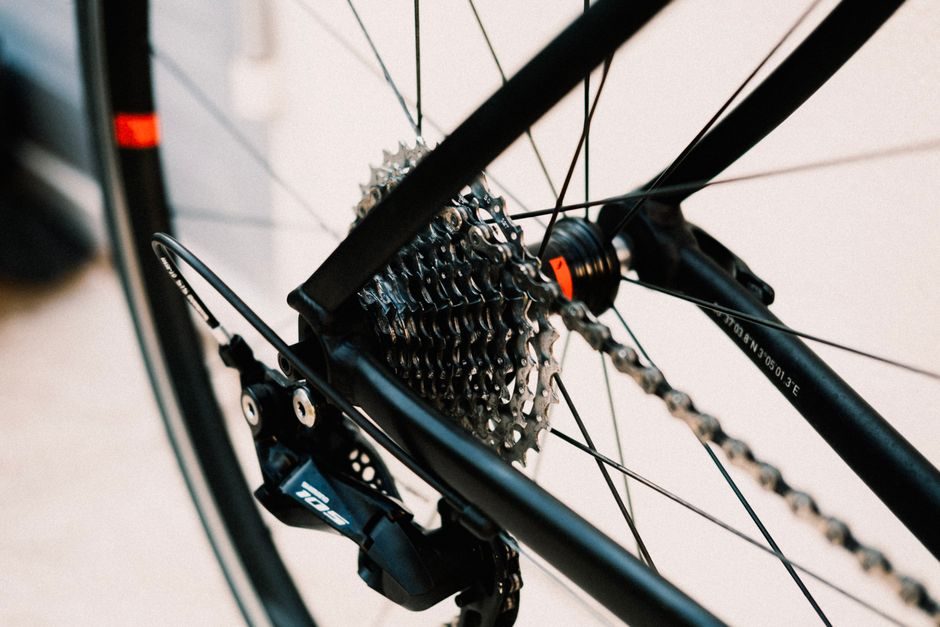
Timing maintenance with sales
Scheduling maintenance before listing can improve offers and buyer confidence. Complete basic safety checks, replace worn parts, and document service history to show care. Buyers respond positively to a bike that comes with receipts and recent work.
Offer a recent service record alongside the listing; a clean bill of health reduces bargaining tension and clarifies liability. If a large service is due soon, consider completing it prior to sale to avoid post-sale disputes.
Coordinate transfer timing with payment clearance and paperwork completion. Ensure the title and registration are ready to be transferred, and confirm the buyer’s preferred pickup date. A smooth handover prevents delays and miscommunication.
- Do essential safety checks
- Provide a current service log
- Plan transfer after payment clears
- Prepare the title and registration materials
- Schedule a clear pickup window
The timing of transfer should align with payment, not the other way around. Always verify funds before delivering keys or releasing the title. A clean, staged handover reduces risk for both sides.
If a buyer wants to delay pickup, set a clear deadline and communicate consequences in writing to avoid confusion.
Legal and safety considerations
Paperwork and ownership
Complete and accurate paperwork protects both parties during a sale. Obtain a clear title, bill of sale, and any required state forms. Misfiled documents can lead to future liability and disputes over ownership.
Verify the VIN on the title matches the bike and the seller’s ID. Keep copies of everything and provide the buyer with all relevant documents at handover. A record trail helps resolve potential conflicts.
Check local laws about emissions, safety inspections, and transfer requirements; some states require specific forms or fees to finalize ownership transfer.
- Correct title and VIN match
- Bill of sale with signatures
- Copies for both parties
- State transfer forms as needed
- Record of service and modifications
Safety during the sale
Meet in public, well-lit areas and preferably during daytime. Avoid accepting personal checks; use cash or verified electronic transfers. When a test ride is requested, require proper protective gear and proof of insurance.
Keep a paper trail of conversations, photos, and documents. If something feels off, pause the deal and revisit later or walk away. A cautious approach protects both sides from potential liability.
Follow transportation and liability guidelines for the ride to the buyer, including temporary insurance if offered and clear conditions for any test run.
- Public meeting place
- Verified funds
- Protective gear for test rides
- Documented exchanges
- Pause if red flags appear
Frequently asked questions
How do I price my motorcycle for sale?Start with the model year, mileage, and overall condition, then compare similar listings in your area. Set a realistic range and be prepared to justify your price with maintenance records and documentation. A transparent listing reduces negotiating friction and speeds up the sale.
Should I allow test rides?Yes, but only with protective gear, a valid license, and proof of insurance if possible. Meet in public and establish a safe, documented process for the ride. Insist on a clear agreement about responsibility should damage occur.
What payment methods are safest?Use platform-validated methods or bank transfers with clear receipts. Avoid personal checks or cash exchanges in untrusted locations. Verify funds before handing over keys and titles to prevent fraud.
What paperwork will I need?The title, bill of sale, and any state transfer forms. Have copies for buyer and seller, and ensure VINs match across documents. Keep records of service history and receipts to support the transfer.
Next steps for buyers and sellers
For buyers, verify the bike’s condition and request maintenance records before meeting. For sellers, prepare a complete file of documents and set a clear, safe process to finalize the transfer. A careful approach minimizes disputes and creates a smoother sale experience.
Proceed only after funds have cleared and the title is ready for transfer; keep the transaction written and transparent to protect both sides.
Add Tokyo City News as a preferred source on Google


