
Clear guide to faire-part de décès en France for readers
A practical buying guide for readers of a news site, outlining what to expect, how to compare options, and common pitfalls when handling this French notice.

Readers in France and abroad need a straightforward way to understand faire-part de décès en France. This guide explains how these notices work, what to look for, and how to verify validity before sharing or publishing. It focuses on practical steps, from finding legitimate services to avoiding common mistakes, so you can act with clarity and confidence.
If you are posting a notice, purchasing a service, or cross-checking details for reporting, start with the basics: what the notice should contain, how it appears in public records, and which channels are reputable. This overview keeps your choices grounded in what matters for accuracy and respect.
The aim is to give readers a clear path from initial search to final publication or receipt, with concrete examples and a checklist you can reuse as needed.
- This guide helps readers understand faire-part de décès en France and relates it to reliable news practices.
- It emphasizes sources, verification steps, and respectful publication.
- Readers gain a practical checklist to avoid errors and respect families.
- The approach balances accuracy, privacy, and public interest in a news context.
Basics and formats
What the notice covers
A faire-part typically confirms a death and lists immediate family, funeral details, and service times. These notices appear in local papers or online platforms and are usually issued by relatives or clubs. Verify the names and dates against official records to prevent misprints or mistaken listings. faire-part de décès en France is often published by local papers or official sites and serves as a public notice.
- Rushing to publish without checking the official spelling of names
- Ignoring the date format differences between regions
- Overlooking correction processes when errors appear
In many regions, notices are published in parallel on municipal sites and newspaper pages. Content standards vary, so look for clear language about the date, place, and visitation schedule. This helps families control what is publicly shared.
Check whether the source provides a confirmation number or a contact for corrections. If you spot errors, contact the issuing party promptly to request a revision.
- Look for the full legal name and correct date of death
- See if the notice lists a service location and time
- Confirm publication date aligns with the service schedule
- Note whether contact details are present for updates
- Be wary of notices that request payment before publication
Where to find legitimate notices
Legitimate notices often appear in established local papers or official municipal sites. Some families also use trusted funeral homes that post notices on their platforms. Cross-check details across two independent sources before sharing widely.
Online portals dedicated to obituaries can be useful, but compare the wording and look for a clear origin, such as a newsroom or funeral director. If something feels vague, seek confirmation from the family or a reliable intermediary.
Public records or civil registries may list events connected to the death, providing a factual reference point. Use this as a secondary check rather than a primary source for sensitive information.
- Trust sources with a clear publisher name
- Compare at least two independent listings
- Watch for inconsistencies in dates or spellings
- If possible, confirm with a family contact
- Be cautious of paywalls that obscure authoritativeness
Where to publish or reference
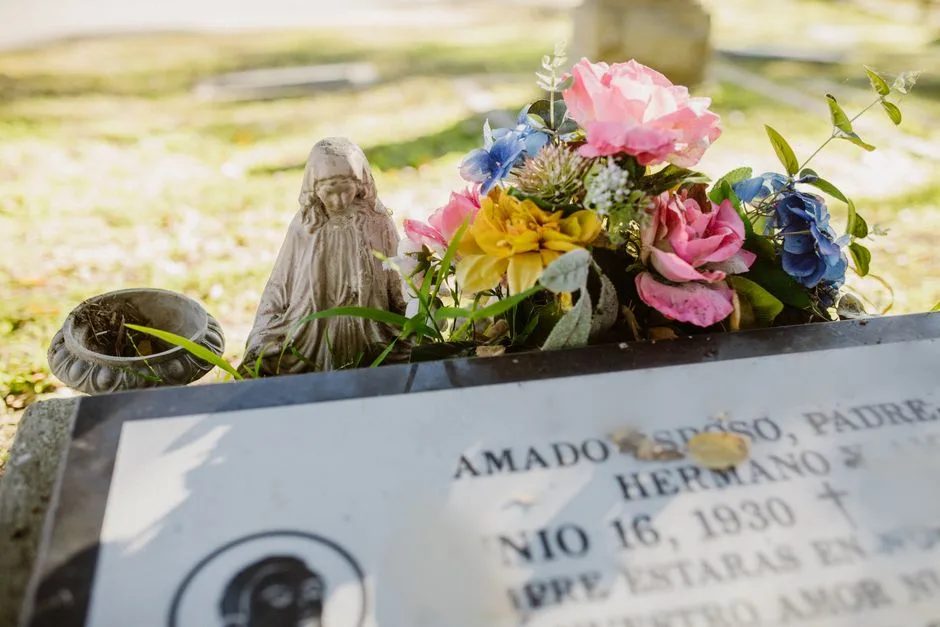
Choosing a platform
Select platforms with a visible editorial process and clear contact details. For personal notices, prioritise platforms that allow corrections without heavy fees or delays. Public-facing notices should be verifiable and respectful in tone. Actu Français site may host obituary notices alongside breaking news for regional audiences.
Compare distribution reach: local newspapers, regional sites, and national portals each have different audiences. A wider reach isn’t always better if it dilutes the personal intent of the notice.
Budget considerations matter, but reliability should come first. Avoid venues that promise instant placement without proof of legitimacy or a transparent fee structure.
- Prefer platforms with editorial oversight
- Prefer platforms with a transparent fee schedule
- Check for a straightforward correction policy
- Verify the publisher’s contact information
- Avoid opaque or anonymous listings
Handling updates and privacy
Notices often require updates as funeral plans change or additional relatives are added. Maintain a copy of the original submission and note any changes with dates. Public shares should reflect consent and sensitivity to bereaved families.
Respect privacy by limiting details to what is appropriate for public viewing, especially when minors are mentioned or sensitive circumstances are involved. In cases of disputed information, pause further postings until resolved.
If you publish a correction, clearly indicate what changed and why. This preserves trust with readers and families alike.
- Track changes with dates and initials
- Limit personal details to publicly necessary items
- Seek consent for additional names or dates
- Issue clear corrections when errors occur
- Avoid sharing unverified rumors or third-party claims
How to verify before sharing
Cross-checking facts
Always verify the death notice against at least two independent sources. Look for consistency in names, dates, and the service location. If discrepancies exist, hold publication and seek confirmation. This reduces the risk of misreporting. agenda France lists events connected to services, which can help readers plan attendances for services.
When reporting on a death, confirm the family or funeral home’s stated details with direct contact rather than relying on echoing social media posts. This builds accuracy and trust.
In practice, keep a lightweight log of sources, dates checked, and contact attempts. A simple record helps you explain corrections and maintain accountability.
- Cross-check with a local newspaper
- Check official civil registry when possible
- Contact the funeral home for confirmation
- Document all confirmations and corrections
- Avoid relying on unverified social posts
| Platform type | Reach and audience | Hold on corrections |
|---|---|---|
| Local newspaper | Moderate reach | Clear correction policy in place |
| Regional obituary portal | Wider reach | Requires careful source checks |
| Funeral home site | Direct from family | Explicit consent required for edits |
Respectful reporting
Treat every notice with care; avoid sensational language or speculation. Report only confirmed facts and provide context about the service details when appropriate. This is a matter of respect as much as accuracy.
If a notice includes a photo or a personal statement, ensure family consent is documented and that the image adheres to privacy norms. Do not publish sensitive information beyond what is publicly intended.
In reporting, distinguish between the family’s wish to announce and any broader public interest. This helps readers understand why the notice appears and what it means for the story.
- Use neutral, factual language
- Obtain consent for images or quotes
- Avoid duplicating unverified rumors
- Explain why the notice matters to readers
- Respect privacy limits and legal considerations
Check whether the notice should include symbolic details (dates, age) or family roles (spouse, children) that vary by region.
What to watch for in translation or adaptation

Identifying cultural nuances in notices
When translating a death notice, consider local etiquette and phrasing that respects the family. Avoid overly direct statements that may seem insensitive in another culture. Ensure formal language aligns with the tone used in official notices. annuaire des entreprises en France entries can appear in business references but are not a substitute for personal notices in obituaries.
Check whether the notice should include symbolic details (dates, age) or family roles (spouse, children) that vary by region. If adapting from another language, preserve essential facts but adjust titles and relationships to French norms. A well-adapted notice reads as accurate and considerate.
- Respect formal titles and boundaries
- Preserve key facts like dates and names
- Avoid casual or colloquial language
- Verify roles listed match local customs
Examples of common errors to avoid
Mistakes in translation can distort meaning or offend readers. Misplacing dates can create confusion for readers who reference the notice for timelines. Be mindful of how family relationships are described to prevent misinterpretation.
Look out for numbers and titles that lose meaning in translation. A simple misstep, like translating a title too literally, can change the perceived status of the deceased. Always cross-check with a native speaker when possible.
Before publication, have a second editor review the notice for consistency and tone. A careful, thorough pass prevents miscommunications that could hurt families or mislead readers.
- Dates shifted or misordered
- Inaccurate family relationships
- Overly casual tone
- Ambiguity in names or places
Legal and ethical considerations
What laws affect publication
Publishers must respect data privacy and defamation rules, which shape what information can be shared publicly. Do not disclose sensitive medical details without consent. Confirm that the notice complies with local regulations governing obituaries. passer une annonce en France
- ☐ Identify required permissions
- ☐ Verify jurisdiction rules
- ☐ Redact sensitive details
- ☐ Record consent and dates
Some jurisdictions require consent from immediate family to publish a death notice, while others allow notices by a legal representative. Verify who holds authority to authorize publication in each case and document that consent.
Toujours verify any legal constraints before posting and be prepared to redact sensitive information if needed to protect privacy and avoid liabilities.
- Respect privacy laws
- Avoid sensitive medical information
- Confirm consent requirements
- Document authorization
Digital vs print reliability

Comparing reach and speed
Online notices reach readers quickly and can be updated as needed, which helps with late changes in funeral details. Print notices provide a formal, timeless record that families can preserve, but updates are limited. Consider the audience and choose the format that prioritizes clarity and accessibility.
Digital platforms allow multimedia additions, such as a short obituary video or a photo gallery, which can enhance memory sharing. Yet ensure that links and media remain accessible and that permissions are in place for any images.
Print notices should be stored safely; digital copies should be backed up in multiple locations to prevent loss.
- Speed vs permanence
- Multimedia opportunities
- Access and permissions
- Archival reliability
Practical tips for layout
Keep the core facts prominent at the top of the notice to aid quick understanding. Use a clean font, readable spacing, and consistent alignment to avoid misreading important details. For both formats, provide brief funeral details and contact information for further inquiries.
Proofread to ensure names, dates, and locations are accurate, as errors can cause confusion or embarrassment. Use a standardized template for uniform coverage across platforms and outlets.
Include a short note about whether relatives request privacy and how to respond to condolences, so readers know the appropriate channels.
- Top-heavy factual presentation
- Clear contact details
- Standardized templates
- Privacy notes
Practical timelines and pacing
Planning milestones
Create a publication timeline that aligns with family choices and service dates. Allow time for approvals and any requested changes. Rushed notices risk inaccuracies and distress for readers awaiting details.
Track key dates: death notice submission, confirmation of funeral details, and post-service memorials. Delays can affect visibility and readers’ ability to respond. Plan buffers for last-minute updates.
Maintain a log of edits to preserve a clear record of what changed and when, which helps accountability and transparency.
- Set submission deadlines
- Account for approvals
- Record dates and edits
- Provide buffers for updates
Coordinating with partners
Newsrooms often coordinate with funeral homes, authorities, and family representatives. Establish a clear point of contact and a standard intake form to minimize miscommunication. Shared templates across partners reduce the risk of conflicting details.
When editors agree on a notice, circulate it for final checks before publication to ensure consistency. A quick internal review helps catch inconsistencies that slip through slower processes.
After publication, monitor for reader questions or corrections and address them promptly—clarity sustains trust over time.
- Designate a liaison
- Use intake forms
- Pre-publication checks
- Respond to feedback quickly
Frequently asked questions
Who can publish a death noticeIn many communities, a close family member or an authorized representative can request publication. The process often requires written consent or a formal directive from a funeral home or local authority. If unsure, ask the publication for their policy before submitting material.
What information should be includedMost notices list the deceased’s full name, age, date of death, and funeral details. Some traditions also include surviving relatives and a brief tribute. Include contact information for further inquiries and, if appropriate, a reference to a charity or cause for donations.
How to verify before sharingHave at least one other editor review the notice for accuracy, tone, and potential ambiguities. Cross-check spellings of names and places against official records or family-supplied materials. Verify dates and ensure the format matches the publication’s standards.
Is digital or print more reliable for noticesDigital notices offer speed and updates, while print provides a formal, lasting record. Use whichever format best serves the readers and the family, and ensure consistency in information across platforms.
Conclusion: timely, thoughtful notices
For readers, a careful death notice is a reliable guide to services and ways to show support. It should present essential facts clearly and respect privacy. A consistent, careful approach helps the newsroom build trust with families and audiences.
Editors should maintain a predictable workflow that prioritizes consent, accuracy, and tone. When in doubt, pause publication to confirm details with a family or funeral home and prevent mistakes from spreading.
If you enjoyed this article, we recommend checking out France actualités karşısında ilhaber: güvenilir, hızlı for further reading.
For more insights on this topic, you might find Why local events in France matter particularly informative.
You may also find Best sources for avis de décès helpful as it covers related aspects of this subject.
Add Tokyo City News as a preferred source on Google


