
Examples of community events: a practical guide for readers
A actionable checklist of community events examples, with clear steps for discovering, planning, and evaluating local happenings relevant to readers of a news s

Community events illustrate what a city does together and why readers should care. This guide shows clear, actionable examples of events that typically appear in local coverage and how they can be found, evaluated, and shared. It aims to help readers spot genuine community value without chasing hype or noise.
You’ll learn practical categories (cultural, service, civic, recreational), how to verify details, and why coverage matters for informed citizenship. The goal is to empower readers to recognize and participate in events that reflect local priorities and stories.
The guidance here emphasizes reliability, inclusivity, and context, so readers can navigate a crowded events landscape with confidence and clarity.
- This guide outlines concrete examples of community events and how to cover them clearly.
- Readers will learn reliable ways to verify details and present useful formats.
- The piece offers checklists, boxes, and structured sections to help editors and readers.
- Following these steps improves accuracy, usefulness, and reader trust.
Basics of what counts as an event
Common event types
Identify standard formats such as markets, fairs, fundraisers, council meetings, and performances. These typically have predictable schedules, volunteer bases, and public interest signals. Look for details like location, times, and accessibility so coverage remains precise and useful. community events in Dudley are often organized with public calendars and community boards to help residents find activities.
- Assuming all gatherings are news-worthy; better: assess public interest and impact
- Overloading coverage with hype; better: verify times and accessibility
- Ignoring accessibility details; better: note language access and venue access
- Market days with vendors
- Cultural performances open to all
- Volunteer-run cleanup or service days
- Public town halls or hearings
- Charity fundraisers with clear impact
How to verify a local event
Check reliable details
Always confirm venue, date, and start time from at least two independent sources. For events with registration, verify the deadline and capacity. Note transport options and any safety or accessibility concerns so readers know what to expect. Dudley news coverage can include summaries of event intentions, schedules, and community impact when events align with local interest.
Confirming details helps prevent miscommunication and reduces the chance of misinformation in early reports.
When possible, link to official sites or public postings, and note if information is subject to change.
Options for presenting events to readers
Different formats for coverage
Use a short calendar blurb for quick readers, a feature piece for context, and a practical guide for attendees. Each format serves a different reader need and can be used together in a single story. find local businesses in Dudley can be a helpful companion piece for readers seeking nearby vendors at events.
- ☐ A neighborhood festival is announced with a map and accessible entrance
- ☐ Staff interviews explain the festival’s goals and community benefit
- ☐ Readers receive a checklist for what to bring and how to get there
Calibrating depth helps readers decide what to attend, while practical tips boost participation.
Include practical details such as parking, accessibility, and whether the event is family-friendly.
- Calendar listing with times and place
- Feature with local voices and purpose
- Practical guide with steps to participate
- Photo-led recap of the event
| Format | Pros | Cons |
|---|---|---|
| Calendar blurbs | Quick and easy for readers | Limited context and engagement |
| In-depth feature | Deep context and voices | Takes more time to produce |
| Practical guide for attendees | Actionable and useful | Requires frequent updates |
Be mindful of diversity in events and ensure coverage represents different neighborhood groups and interests.
Pitfalls to avoid in coverage

Common missteps to watch for
Avoid hype that suggests a bigger impact than exists. Verify whether events are open to the public or require tickets. Do not assume sponsorship or vendor lists reflect community support without corroboration. place an advert in Dudley should be discussed in a later section for readers considering promotional opportunities.
- Confirm venue and start time from two sources
- Note accessibility and parking
- Explain ticketing or registration process
- Provide a reader-friendly outline of what to expect
Hasty reporting can mislead readers about safety, access, or eligibility. Peer-check details with organizers when possible.
Be mindful of diversity in events and ensure coverage represents different neighborhood groups and interests.
- Assume weather or attendance; confirm in advance
- Ignore accessibility or language needs; address them
- Miss key dates or venue changes; update promptly
- Overlook potential conflicts with other local happenings
How to sustain local event coverage
Sustained reporting practices
Develop a routine for weekly event scouting, even in slow news periods. Create a rolling calendar that highlights upcoming fairs, fundraisers, and community meetings. This approach keeps readers informed without overwhelming staff with last-minute requests. place an obituary in Dudley is a sensitive event that communities want to hear about, so consider including it in a respectful, clearly labeled section of your community listings.
Assign a dedicated reporter or rotating beat to monitor neighborhood boards, schools, and cultural centers. Use brief notes and photo prompts to streamline daily coverage. Regular checks prevent gaps and help readers trust the site as a steady source of community news.
- Establish a weekly event brief for editors
- Create a shared calendar with topic tags
- Set up simple submission forms for readers
- Schedule follow-up pieces on returned events
Engagement through reader submissions
Encouraging reader tips
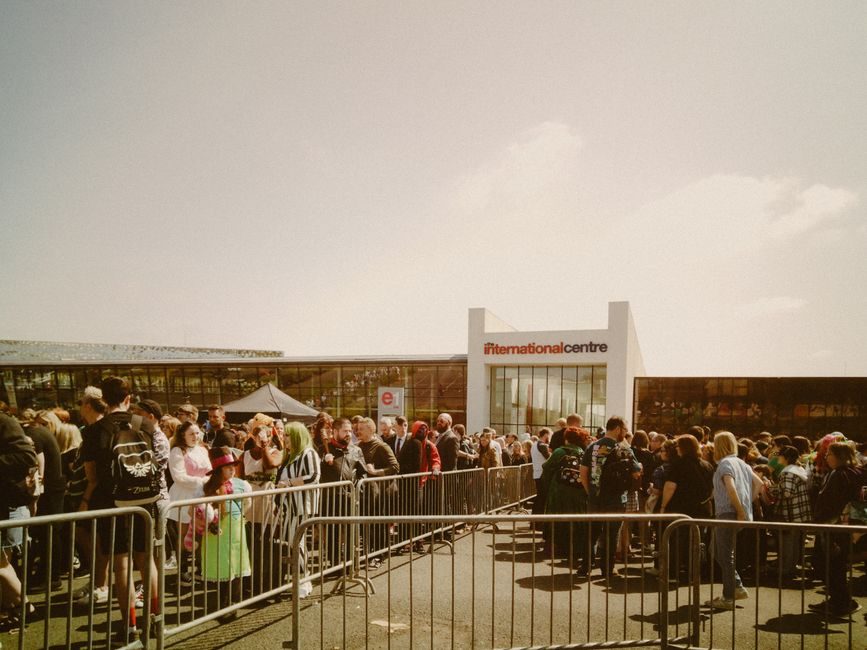
Invite readers to share event tips via a short online form or social post. Acknowledge contributions with a quick note or small feature. This participation strengthens trust and diversifies sources.
- Readers fuel coverage with local tips
- Transparent rules improve trust
- Timely feedback sustains momentum
Set clear guidelines on eligibility, consent, and photo use to protect both readers and the publication. Simple rules prevent delays and miscommunication. Regularly review submissions for relevance and accuracy.
Offer readers a glimpse behind the scenes by publishing a brief editorial note about how tips become coverage. Transparency fosters a sense of ownership and community connection.
- Clear submission guidelines
- Timely acknowledgment of tips
- Editorial transparency
- Moderation for quality control
Event calendars and partnerships
Building calendar networks
Connect with libraries, schools, and nonprofit venues to feed a shared calendar. Regular meetings with partners help synchronize coverage and avoid duplicated listings.
Offer partner slots on the site for highlighted events or sponsored calendars, clearly labeled to maintain editorial integrity. This balance supports sustainability while keeping trust intact.
Use audience analytics to prune underperforming listings and prioritize events with broad community interest. Data-informed choices keep calendars useful over time.
- Establish partner contacts
- Create a shared calendar feed
- Label sponsored listings clearly
- Review listings for relevance
Measuring impact and feedback
Evaluating reader responses
Track reader engagement with event-related stories through comments, shares, and time-on-article. Use these signals to refine what kinds of events get stronger coverage.
Survey readers periodically to understand which events matter most and adjust the calendar accordingly. Short, focused questions yield higher completion rates.
When possible, publish small metrics alongside stories to give readers a sense of impact without overstating results.
- Monitor comments and shares
- Run brief reader surveys
- Publish practical metrics
Frequently asked questions
What counts as a community event for a Dudley-focused audience?A Dudley-focused community event includes gatherings that are open to the public, involve local residents, and contribute to neighborhood vitality. Examples range from cultural celebrations to town hall meetings. Coverage should explain who organizes it, where and when it happens, and why it matters to readers.
How should a news outlet verify event information?Verify details with multiple independent sources, such as organizers, venue staff, and posted schedules. Cross-check dates, locations, and entry requirements. If details change, publish a brief correction and an updated event listing.
How can readers submit event tips safely?Provide a simple online form that asks for event name, date, location, and a contact email. Include consent language about photo use and a note that submissions may be edited for clarity. Respond to submissions within a short, predictable time frame.
What makes an event suitable for feature coverage?Events that affect a broad segment of the community, offer unique angles, or reveal new local collaborations are good candidates. Consider readability, timeliness, and the potential to inform readers about civic or cultural life.
Sustained community reporting in practice
Sustained local event coverage rests on clear processes, reliable partners, and accessible reader input. By maintaining a steady cadence, a news site can become the go-to resource for Dudley’s community life, from pop-up markets to public forums.
Developing strong calendars, transparent submissions, and measured metrics helps readers see value in coverage and participate more fully. The next step is to implement a lightweight workflow that scales with the town’s activity and invites ongoing involvement from residents.
Add Tokyo City News as a preferred source on Google


