
Gastronomie in München: how to explore Munich's food scene responsibly
A practical guide for readers curious about Munich’s gastronomy, covering basics, options, pitfalls, and tips for staying informed and safe while dining and exp

Readers seeking a clear, practical path through Munich’s gastronomy can start with a grounded approach: identify what you want to taste, where locals eat, and how to verify recommendations. This article lays out steps that help you separate hype from substance, without overplanning. You’ll learn practical checks, reliable types of places, and ways to stay informed on evolving dining trends in the city.
The first move is defining the kind of dining experience you value, whether a quick bite, a traditional meal, or a culinary evening with regional influences. From there you can map a short route that connects markets, casual taverns, and established restaurants. The goal is a balanced view that respects both budget and ambition.
Finally, you’ll keep your expectations realistic: Munich’s gastronomy changes with seasons, neighborhoods, and events. Use steady, repeatable checks—menu turnover, staff knowledge, and consistency across visits—to build a dependable sense of what to expect from the city’s food scene.
- Munich’s gastronomy can be explored through careful planning, credible sources, and interest-balanced eating. Start with local context and seasonal menus to ground your choices.
- Research before you go helps you separate hype from substance, using multiple independent sources and notes from visits.
- Budget wisely by mixing venues and taking advantage of lunch or sharing options, while staying alert for overhyped dishes and tourist traps.
- Keep informed through tastings, city guides, and public events to understand how the scene evolves and what it means for readers seeking reliable dining information.
- Basics you should know
- How to research before you go
- Options for different budgets
- Pitfalls to avoid
- Gaps in the dining map and how to read them
- How to pace your food exploration
- Choosing experiences by budget
- Navigating common mistakes and how to avoid them
- Frequently asked questions
- Moving forward with a practical dining plan
Basics you should know
Cultural context matters
Understanding Munich’s dining traditions helps you spot authentic flavors and avoid clichés. Local staples and seasonal ingredients shape menus across neighborhoods. This background supports better questions at the table and more informed choices. Gastronomie in München is a phrase you may see in local coverage; it helps readers understand how Munich’s dining culture expresses itself.
A good starting point is a few neighborhood staples, where locals linger rather than chasing trendiness. You’ll notice dietary norms, beverage pairings, and service styles that signal a restaurant’s character. This awareness makes your first visits more productive.
Be mindful that venues can specialize by season, so a simple dish may carry different significance at different times of year. Asking about ingredients and sourcing often yields concrete, useful details. Your understanding grows with each visit.
- Ask what ingredients are from nearby markets
- Note how staff discuss dishes
- Observe whether menus rotate seasonally
- Compare similar dishes across venues
- Record your impressions for future visits
How to research before you go
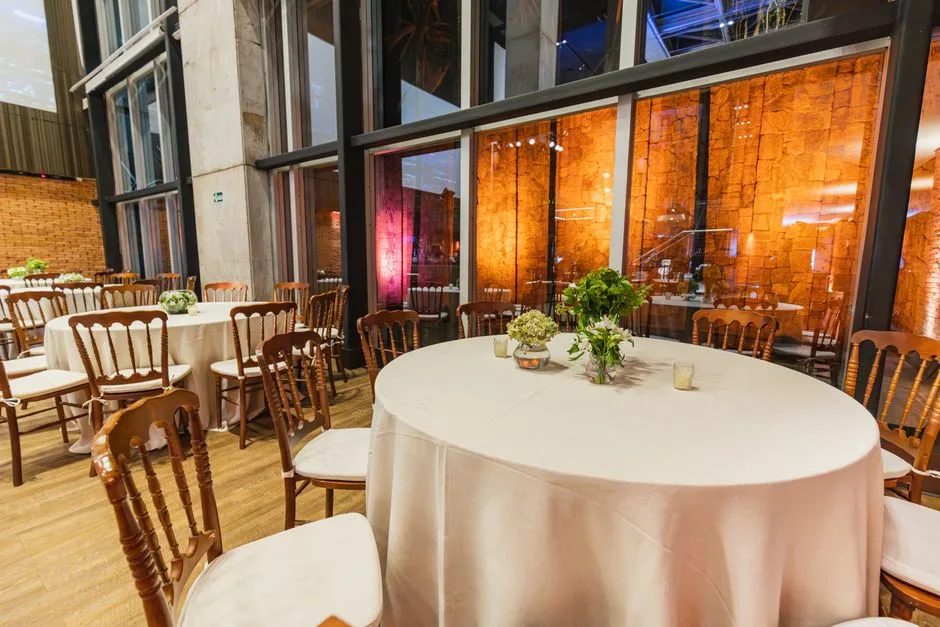
Reliable sources to trust
Begin with established local outlets that publish on dining scenes with context. Look for venues that explain sourcing, seasonal menus, and culinary methods. This creates a baseline you can compare against newer places.
Cross-check with multiple outlets to avoid a single perspective framing your view. If a source flags a dish as exceptional, confirm by reading the menu notes and any chef statements.
Digital guides can be useful, but visit with a plan: pick 2–3 neighborhoods, and keep expectations aligned with the time available. This keeps your exploration focused and meaningful.
- Use at least two independent sources
- Read menu notes for details
- Check sourcing statements
- Note any seasonal limitations
- Record what aligns with your taste
Options for different budgets
Match meals to means
Budget flexibility is part of a healthy dining plan. Casual taverns offer simple dishes with high value, while mid-range spots provide broader menus and more complex preparations.
- Plan a two-venue day with different price points
- Choose lunch specials when possible
- Balance sharing with a full dish
Dinings in Munich often emphasize quality ingredients over extravagant garnishes, which can help stretch a budget without sacrificing experience. Look for set lunches or shared plates that maximize variety at lower cost.
If time allows, mix a light snack at a market stall with a main course elsewhere to sample more ingredients without overspending. This approach keeps options open while staying mindful of limits.
- Seek daily specials for value
- Favor seasonal plates
- Try lunch menus
- Share plates to taste more items
- Avoid overordering
| Aspect | Value | Trade-off |
|---|---|---|
| Menu variety | Broad selections | May require more planning and time |
| Sourcing | Local ingredients | Seasonal availability can vary |
| Service style | Consistency and pacing | Occasional staff turnover |
Hype around a single dish can skew expectations if the rest of the menu isn’t consistent.
Pitfalls to avoid
What can mislead diners
Hype around a single dish can skew expectations if the rest of the menu isn’t consistent. Always scan the full menu for balance and variety before deciding.
Overreliance on online ratings without visiting can misrepresent a place’s current quality or service. Ratings tend to reflect peak moments rather than ongoing patterns.
Nearby tourist traps often pair convenience with inflated prices and generic menus. Compute value by comparing similar concepts across different venues.
- Check the full menu before committing
- Assess service consistency during the visit
- Compare similar dishes across venues
- Beware of high prices for standard dishes
- Read more than the top review
Gaps in the dining map and how to read them
Using neighborhood cues wisely
Start with trusted neighborhoods that balance historic eateries and new entrants. Look for places near transit hubs or markets, which often host a mix of long-running favorites and fresh concepts. This helps you map options without getting overwhelmed by tourist pockets.
- Skipping local neighborhoods and sticking to tourist spots
- Ignoring menu notes about sourcing or preparation
- Chasing trends without checking core quality
Compare menus to gauge authenticity and price structure. A well-curated selection, including regional dishes and seasonal produce, signals a thoughtful approach to Munich gastronomy. Observe how servers explain dishes; concise, informative notes often accompany better dishes.
Finally, read small signs or chalkboards that indicate daily specials or sourcing notes. These details reveal a kitchen’s priorities, such as local farms or seasonal vegetables, and help you judge value beyond the price tag.
- Trust established neighborhoods as anchors
- Use transit access to guide exploration
- Look for seasonal or local sourcing signs
Reading menus for value and truth
Menus are more than a list of dishes; they reflect a kitchen’s philosophy. Compare standard plates across several places to spot consistency in technique and portion size. A clear, concise menu usually accompanies confident execution.
Watch for preparation details that explain techniques, like “braised” or “fermented.” These terms indicate deeper planning and can justify higher prices if tied to careful sourcing. If descriptions are vague, ask questions about ingredients and method.
Observe how wine, beer, and non-alcohol options are curated to complement food. A balanced beverage list often points to a thoughtful dining strategy and helps you plan a more satisfying meal within a budget.
- Look for consistent portion sizes
- Note preparation terms that imply skill
- Check beverage pairing logic
How to pace your food exploration
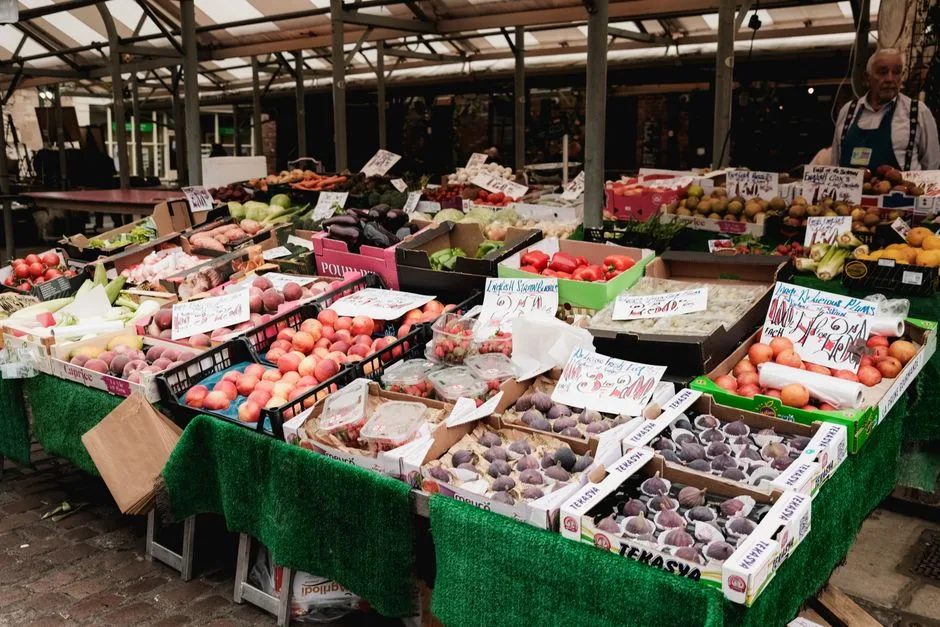
Plan a practical route
Start with a central hub and branch out in a logical loop to minimize backtracking. Group places by cuisine type or price tier to avoid fatigue. A tighter route helps you experience more dishes without rushing.
- ☐ Overloading a single meal with many courses
- ☐ Skipping breaks and rushing between spots
- ☐ Ignoring opening hours and reservation needs
Estimate time for each stop, including time to eat and walk between locations. Allow a buffer for lines or crowded hours, a common reality in Munich’s popular streets. This prevents rushed choices and preserves flavor.
Keep energy up with light, frequent snacks between meals. A quick pretzel, cheese plate, or a small street food bite can bridge the gap and keep your palate ready for the next course.
- Map a compact route
- Budget travel time between stops
- Snack strategically between meals
Timing and reservation etiquette
Many popular spots operate on a reserve-first system, especially evenings and weekends. Check reservations a day ahead to secure a table in peak hours instead of risking a long wait. Planning reduces stress and improves the dining experience.
If you walk in, be prepared for small wait times and be flexible with seating options. Bar seating or communal tables can offer quick access to tastings or sample plates, albeit with a different dining rhythm.
Note regional late-night hours, which vary by neighborhood. A few places stay open late for casual bites after events or walks through the city, which can broaden your options.
- Reserve ahead when possible
- Be flexible with seating
- Mind local late-night hours
Choosing experiences by budget
Value-driven tasting experiences
Seek multi-plate tastings that let you compare techniques and flavors without committing to full courses at several places. Tasting menus can reveal a chef’s range and help you judge overall value.
Ask whether portions are designed for tasting or full meals, and adjust expectations accordingly. A tasting-focused option may be more affordable per flavor, even if total spend seems higher.
Look for places where seasonal dishes or daily specials provide variety without inflating the bill. Seasonal ingredients often translate to better value and fresher flavors.
- opt for tasting menus
- clarify course intent
- prioritize seasonal specials
Experience tiers beyond price
Budget-conscious travelers can sample Munich’s food scene through markets, street bites, and casual taverns. These options often deliver character and tradition at lower prices than full-service restaurants.
Look for days or hours when markets host prepared foods or vendor mini-stands that emphasize regional products. These spots give a sense of local food culture without expensive set menus.
If you are unsure about a place’s quality, start with a small order or share plates to test flavors and execution. This minimizes risk while you discover what resonates.
- Market and street options
- Casual taverns for character
- Share plates to test quality
Navigating common mistakes and how to avoid them

Common mistakes and better approach
Assuming every popular place is the best choice overlooks nuance in Munich’s food scene. Branch out to neighborhood spots that mirror the city’s culinary diversity, not just its tourist corridors.
Relying on glossy photos or hype without tasting can mislead you about actual quality. Prioritize reviews that describe flavor, texture, and technique rather than marketing language.
Failing to check for seasonal menus or allergens can spoil a meal; always verify what’s available and safe for you before ordering.
- Explore beyond tourist zones
- Trust detailed flavor-focused reviews
- Confirm seasonal menus and allergens
Pitfalls to watch while dining
Large groups can strain the kitchen and diminish individual experiences. If possible, stagger orders or choose dishes with shorter lead times to keep the table satisfied.
Menus that push heavy, rich dishes late at night can dull flavors; pair heavier choices with lighter sides or a palate cleanser.
Rushing a meal to save money often backfires when you miss textures and layers in a dish. Slow dining can reveal the chef’s craft and better balance a budget.
- Stagger orders for groups
- Balance heavy dishes with sides
- Slow down to appreciate flavors
Frequently asked questions
What is a good first stop for Munich cuisine?Begin at a central market area where traditional stalls mix with modern eateries. Look for a simple regional dish and a small plate to share, so you can gauge flavors and portion size without overspending. A straightforward meal helps you assess quality and balance.
How should I handle dietary restrictions while exploring?Check menus for allergen notes and substitution options before you go. If needed, call ahead to confirm feasibility for the day. Carry a short note in German describing restrictions to facilitate communication.
What if I only have a short visit?Choose one neighborhood and sample several small plates rather than full meals at many places. Reserve at one or two reliable spots and leave room for serendipitous finds nearby.
Are seasonal markets worth planning around?Yes. Markets offer an authentic view of everyday eating, often at lower prices and with local products. Use them to inform future restaurant choices and to enjoy a broader sense of Munich’s food culture.
Moving forward with a practical dining plan
A focused, well-planned approach helps you experience Munich’s gastronomy without waste or fatigue. Use a mix of neighborhoods, markets, and a couple of trusted venues to build a durable routine.
Treat each visit as a test of technique and sourcing, not just a list of dishes. The goal is consistent quality and clear value, not novelty alone.
Readers interested in this subject may also want to explore Practical guide for using München Aktuell for additional perspectives.
If you enjoyed this article, we recommend checking out How Rochdale headlines shape quick news for further reading.
You may also find Rochdale haberlerinden öğrenin: güvenilir yerel içerik helpful as it covers related aspects of this subject.
Add Tokyo City News as a preferred source on Google


