
How to add your business listing in the USA: a clear guide
A practical explainer for readers on what it takes to add a business listing in the USA, why it matters for visibility, and how to do it responsibly.

Readers seeking practical ways to improve local visibility can start with a business listing in the USA. This explainer lays out what a listing is, why it matters for discovery and credibility, and how to prepare information that helps customers find you. It emphasizes clear steps and realistic expectations for a newsroom audience.
A solid listing improves legitimacy and helps people confirm your location, hours, and services quickly. The guide also points out common friction points, such as inconsistent contact details or incomplete descriptions, and how to address them. By following these steps, readers can avoid errors that reduce trust or mislead shoppers.
Efficiently managing a listing means monitoring updates and responding to user feedback. The article focuses on practical, actionable steps that readers can implement without technical expertise. It treats listings as ongoing assets rather than one-off entries.
- A business listing in the USA is a digital profile with your name, address, hours, and services. Keeping data consistent across platforms boosts discovery and trust.
- Start with key directories and verify ownership to prevent impersonation and misrepresentation. Maintain accuracy through regular checks and prompt updates.
- Plan for ongoing management rather than a one-off entry. Use high-quality media, clear descriptions, and timely responses to reviews to stay credible.
- Readers should prepare essential details, choose relevant platforms, and set up a routine for updates and verification.
Basics of business listings
What a listing includes
A business listing is a digital profile that presents a business name, address, phone, hours, and category. It may also show reviews, photos, and a short description. Keep each data point consistent across platforms to improve accuracy. add your business listing in the USA
- ☐ Confirm legal name and address
- ☐ Provide a working phone number
- ☐ Write a one-sentence description
- ☐ Upload a clear logo or storefront photo
The core value is discoverability: someone searching for your service in your city should see your listing in relevant results. Consistency matters because mismatched details confuse customers and dampen trust.
In practice, start with your official business name and primary address, then add a clear phone number and a concise description of offerings.
- Use the official business name as registered
- Verify the street address and city
- Set a reachable phone number
- Choose a straightforward category
- Add a high-quality photo for credibility
Why listings matter for readers
Readers rely on listings to judge legitimacy and proximity when deciding where to shop or visit. A complete profile reduces uncertainty about hours or services. News readers benefit when local businesses are easy to contact during breaking events.
Listings also feed into how search engines and apps present information in real time, which can affect whether readers find a business during a crisis or routine shopping. There is a direct link between accurate data and timely information for the public.
Finally, listings support local accountability by providing a stable reference point for further reporting or tips from the community.
- Improves trust with clear details
- Aids quick decision making
- Supports local accountability
How to prepare your listing
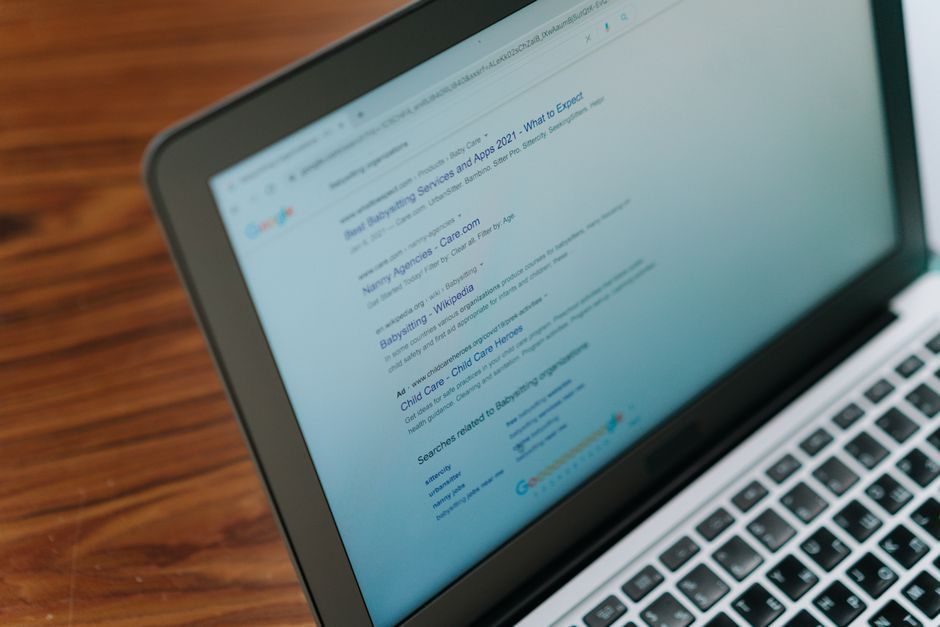
Gather essential details
Collect the business name, address, phone, website, and hours. Note any service area or delivery options. Gather a brief description that highlights what makes the business unique. A useful resource on this topic: Crime News X news.
- Inconsistent address formats
- Wrong phone number on some sites
- Overly long or vague descriptions
Having a consistent format helps when copying data to multiple sites. Use the same abbreviations and capitalization to avoid confusion.
Prepare a short, factual paragraph about products or services to accompany the listing.
- Name, address, phone
- Hours and service areas
- Website and description
Choose relevant platforms
Identify the most used directories in the USA for your industry and location. Prioritize platforms that appear in local search results and maps. Start with a core set and expand as needed.
Not every platform is equally useful; some are better for specific industries or regions. Check platform guidelines to optimize descriptions and categories.
Keep an eye on whether your listing supports photos, posts, or reviews, and use those features to engage readers.
- Maps and local directories
- Industry-specific sites
- Platform guidelines
How to verify and maintain accuracy
Verify your listing details
Use the platform’s verification option if available, such as phone or email. This confirms you control the listing and helps prevent impersonation or errors. A useful resource on this topic: get your event listed in the USA.
Verification usually requires a code or a callback to confirm ownership. Complete these steps promptly to avoid delays in appearance.
Regularly review the listing to ensure hours, address, and contact information stay correct as changes happen.
- Use official contact numbers
- Respond to verification prompts
- Update when hours change
| Platform Type | Pros | Cons |
|---|---|---|
| Maps and directories | High local visibility, quick updates | Can require ongoing verification |
| Industry-specific sites | Better targeting, credible audience | Smaller reach in some regions |
| Official business registries | Strong legitimacy | Complex verification processes |
Maintain listings over time
Assign someone to monitor listings for inaccuracies and customer reviews. Schedule quarterly checks to reconcile data across platforms and fix stale information.
Responding to reviews thoughtfully or thanking customers for positive feedback builds trust and can steer readers toward your location.
Update photos seasonally or after a service upgrade to keep listings current.
- Schedule regular checks
- Engage with reviews
- Refresh media periodically
Once you start the process, gather official business details: legal name, address, phone, and category.
Options for claiming and managing listings
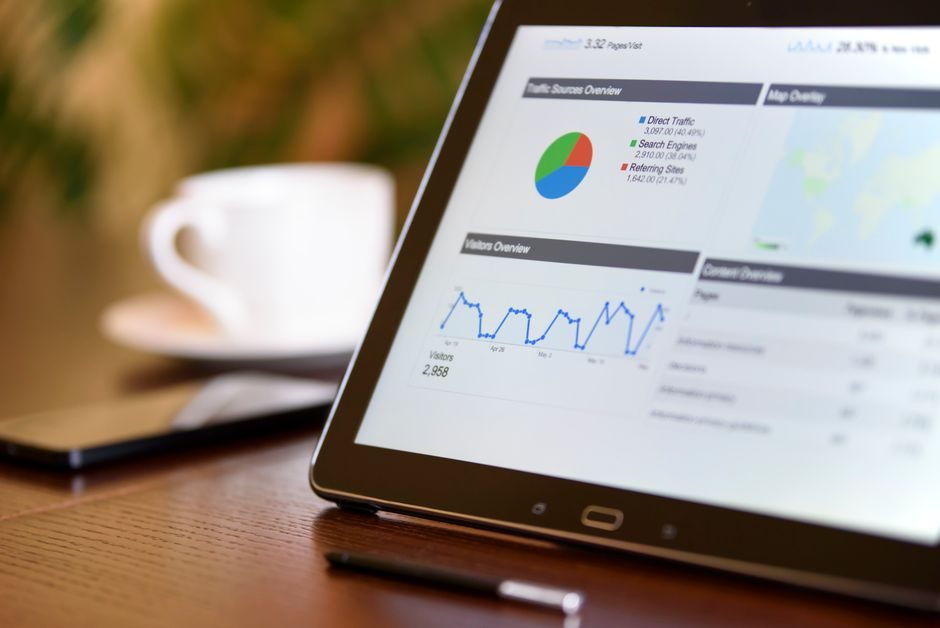
Choosing claim methods
Begin with a clear map of who owns the listing and how it will be updated. Compare claim options across major platforms to see which require verification, editing rights, and monthly updates. This helps avoid duplicate listings and inconsistent information. A useful resource on this topic: post a job ad in the USA.
Once you start the process, gather official business details: legal name, address, phone, and category. Prepare a short, accurate business description and high-quality contact photos. These basics speed up verification and reduce errors.
After you claim, set a schedule for ongoing management: verify changes, respond to reviews, and monitor for duplicates. Maintain the listing across platforms with consistent NAP (name, address, phone) data to build trust and visibility.
- Identify primary platform for ownership
- Check verification steps before starting
- Keep a consistent business name and category
Pitfalls to avoid with business listings
Common listing missteps
Misleading or outdated information is the fastest way to lose trust. If hours change, reflect it promptly and announce temporary updates to avoid customer frustration. Inaccurate categories can misdirect potential customers and waste their time. USA obituaries
Avoid duplicating listings for the same business across platforms. Duplicates create inconsistent data and can harm search visibility. Regular audits help catch orphan listings and consolidate them.
Do not rely on a passive profile; neglecting photos and recent reviews signals a sleepy operation. Active responses, even when negative, demonstrate attentiveness and credibility.
- Outdated hours or contact details
- Duplicate listings across sites
- Inactive or generic photos
Practical tips for credible listings
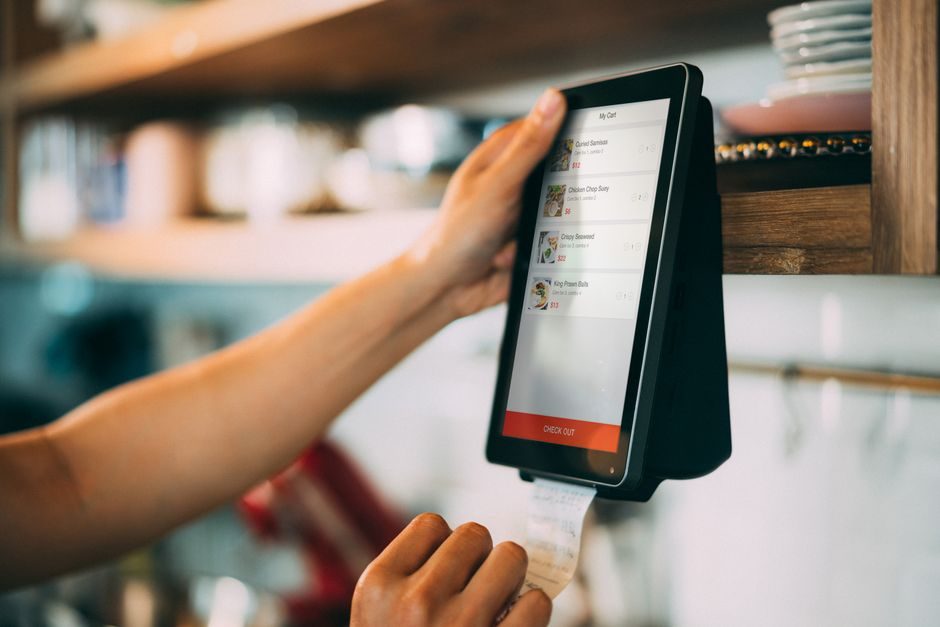
Strengthening listing credibility
Use high-resolution photos that show both exterior and interior spaces. Clear visuals help customers assess value before visiting. Write concise, factual descriptions that match what the business actually offers.
Encourage customers to leave reviews and respond professionally to feedback. Constructive replies to praise or complaint show accountability and responsiveness. Include service hours and a straightforward refund policy.
Keep all data synchronized across platforms and update promptly after any change. Consistency across listings reinforces legitimacy and improves search ranking with reliable signals.
- High-quality photos of storefront and interior
- Consistent business name and category across sites
- Active engagement with customer reviews
- Clear service hours and refund policy
What readers should do next
Take action now
Start by listing your business on the primary platform used by your sector. This gives you a baseline presence and a reference point for other sites. Prepare a short, precise business description and the correct category.
Set up a routine for updates: confirm hours, phone, and services at least quarterly. This keeps your profile accurate and reduces customer confusion. Implement alerts for changes in nearby competitors to adapt quickly.
Monitor performance metrics available on listings and adjust content accordingly. Positive, timely responses to inquiries can convert readers into customers and improve reputation.
- Publish primary listing with verified data
- Schedule quarterly data checks
- Respond to inquiries promptly
- Track listing performance metrics
Frequently asked questions
Who can claim a listing for a business with multiple owners?Ownership usually requires authorization from the legal entity or management. Platforms may ask for proof of control, such as a signed authorization or official documents. Expect a short review period and be prepared to provide updates if ownership changes.
Can a listing be claimed if the business isn’t currently open?Some platforms allow listings that show upcoming status or temporarily closed. Accuracy is still important, so update the status as soon as the business resumes regular hours to prevent confusion among readers.
What happens when listing information changes after verification?Update the platform promptly and notify customers where possible. Many services offer an edit history and a re-verification option to confirm continued legitimacy.
How should a business handle false reviews?Respond professionally, acknowledge the concern, and avoid personal or defensive language. Report obvious abuse to the platform and encourage accurate, constructive feedback from real customers.
Take the next steps with confidence
A well-managed listing starts with accurate basics and a plan for ongoing updates. Begin with core platforms and keep information synchronized to bolster credibility.
Set a regular cadence for reviews and updates to maintain visibility and trust. A predictable routine helps prevent errors before they affect readers.
Add Tokyo City News as a preferred source on Google


