
How to announce a death on Facebook clearly and respectfully
A practical guide for U.S. readers on announcing a death on Facebook with steps, tone, and privacy considerations for a respectful public post.

Posting about a death on Facebook requires sensitivity and clarity. This guide answers how to inform a broad audience without sensationalism, while protecting privacy and avoiding misinterpretation. Readers will learn a practical sequence for a respectful announcement, plus safe posting tips and common pitfalls.
By outlining concrete steps, this article helps readers craft a post that honors the deceased and informs friends, family, and the public appropriately. It covers wording, timing, and how to handle comments, shares, and follow-up updates. The aim is a straightforward, newslike approach that serves both communities and reporters who may rely on accurate information.
These recommendations are designed for real readers seeking reliable, non-sensational guidance. Expect clear examples, practical templates, and a plan that can be adapted to different family preferences and local norms.
- A death announcement on Facebook should be factual, respectful, and concise. Lead with the essential facts, clarify service details if known, and avoid sensational language. Set expectations for updates and direct readers to official channels for information.
- Moderate the comments to prevent misinformation and distress, appoint a trusted moderator, and prepare standard replies. If details change, publish a brief, clear correction and avoid deleting the original post.
- When in doubt, favor private outreach to immediate family and use a single public update if information becomes official. Use trusted memorial pages for ongoing updates to maintain accuracy.
Basics of a respectful announcement
Purpose and audience
A post should convey the essential facts about a death and what supporters should know. Start with the name, age (if appropriate), and the date of passing, followed by a simple statement about funeral or memorial plans. Consider who needs to see the post first, and whether to share additional details in a private message. announce a death in the USA is crucial for accurate, respectful communication across communities.
- Identify the core facts first
- Mention service details if known
- Direct readers to official sources for updates
Be precise in what you share publicly and what you direct to a private channel. If there are siblings, immediate family, or close friends who must be informed first, consider messaging them directly before posting. Avoid speculation or unverified details that could confuse readers.
Keep the tone neutral and respectful, avoiding quotes or dramatic language. The goal is to inform without overwhelming readers or violating the family’s wishes.
- State the essential facts clearly
- Specify any service details if appropriate
- Provide a contact for condolences
- Respect family privacy and wishes
Privacy and timing
Privacy settings matter when you post. If the family has not released information for public consumption, consider a private post or a controlled group update with limited visibility. Timing can affect both the grieving process and public understanding, so allow a brief window for direct family notifications.
Think about the platform's reach: a public post invites condolences from a wide audience, but it can also attract questions you may not be prepared to answer. If you expect ongoing updates, plan how and where you will share them.
When in doubt, default to a cautious approach and offer a single official channel for further information. This reduces confusion and preserves privacy for those closest to the deceased.
- Use privacy settings wisely
- Coordinate timing with family
- Provide a clear path for updates
What to include in the post
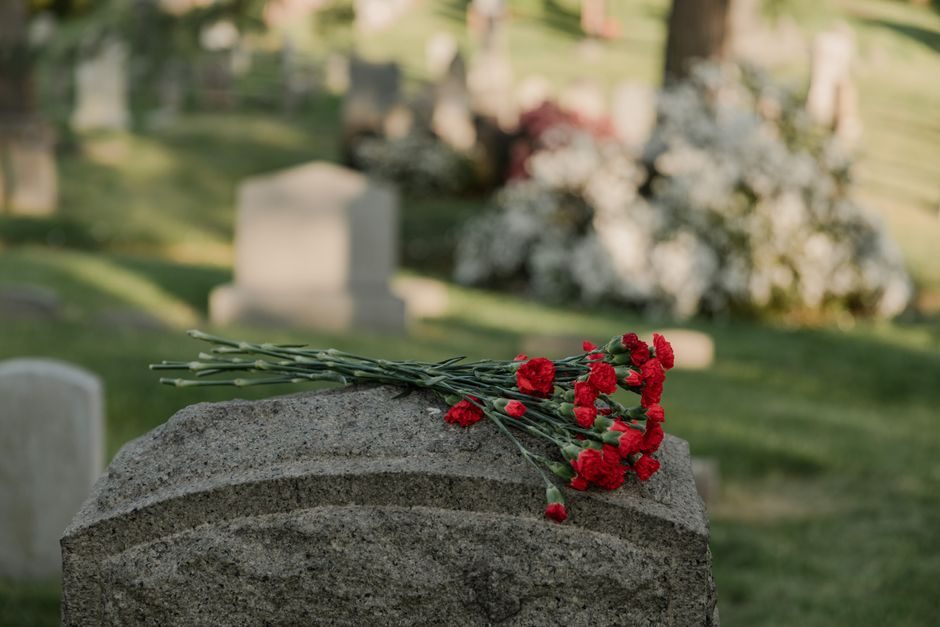
Core facts and tone
Lead with a concise statement of the death, followed by the full name and city or region if relevant. Include year of birth and year of passing if appropriate, and avoid emotionally charged adjectives. The tone should be sober and factual, matching a news brief rather than a personal diary. latest celebrity news is often discussed in similar tones, but this guide keeps a measured, non-hype approach.
- Confirm basic facts
- Draft a concise opening
- State service details if known
- Close with a respectful invitation
Offer a brief note on funeral plans or memorial arrangements if confirmed, and specify whether the service is private or public. If details are pending, say so and direct readers to where updates will be posted.
Avoid listing every achievement; a few salient facts help readers understand who the person was without turning the post into a resume. End with a simple invitation to share memories or condolences.
- Open with name and passing
- State service details if known
- Close with a respectful, neutral tone
Links and follow-up
If the family or a funeral home publishes updates, include a link or mention where to find verified information. Avoid linking to unverified sources or unrelated pages that could confuse readers.
Moderate the comment section to prevent misinformation and potential distress for the family. Set expectations by noting that condolences are welcome but questions may be redirected to official channels.
Consider updating the post as details become available, rather than posting multiple separate updates. A single, updated post can reduce clutter and miscommunication.
- Provide official sources for updates
- Moderate comments
- Plan a single update strategy
Handling condolences and comments
Comment management
Appoint a trusted family member or administrator to monitor the post and respond consistently. Prepare a few approved responses for common questions, such as service times or payment details for memorial funds. add an event to the USA events calendar can be coordinated after a death notice, ensuring verified details.
Flag and remove comments that are inappropriate or contain misinformation. Early moderation helps prevent rumors from spreading and reduces distress for relatives.
Encourage sincere condolences and brief memories, but discourage graphic details or unsolicited speculation. A calm, respectful thread reflects well on the family and on the posting entity.
- Designate a moderator
- Prepare standard replies
- Avoid graphic or speculative details
| Option | Pros | Cons |
|---|---|---|
| Public obituary post | Broad reach, quick notification | Potential privacy concerns and misinformation |
| Private initial note | Privacy for family, controlled sharing | Requires follow-up public update for wider audience |
| Official memorial page | Trusted updates, centralized info | May not reach all social circles |
Correcting errors and updates
If a detail is later corrected, acknowledge the change clearly in a new line or short update. Do not delete the original post, as it can erase a moment of public memory and cause confusion.
Keep corrections factual and minimal. State what was wrong, the corrected detail, and where readers should look for the latest information.
When in doubt, pause further updates until the family authorizes new information. This maintains trust and reduces miscommunications.
- Publish a brief correction note
- Avoid revisiting the original mistake repeatedly
- Confirm family involvement before further updates
If a private announcement is made, consider sharing a simple public note later that confirms the passing and directs readers to an official memorial page or obituary.
Alternatives and safeguards

Private memorial announcements
Some families choose to issue a private message or email to close friends before posting publicly. This approach ensures key supporters receive accurate information directly, reducing the chance of rumors. business directory in the USA may be informed about service listings or memorials through official channels.
If a private announcement is made, consider sharing a simple public note later that confirms the passing and directs readers to an official memorial page or obituary.
Balance transparency with privacy to respect cultural and personal preferences while keeping the public informed.
- Use private channels first
- Offer a public, official update later
- Respect cultural expectations
Using official memorial channels
Direct readers to funeral homes, obituary notices, or a verified memorial page for updates. Official channels provide accuracy and help prevent misinformation from spreading on social media.
Evaluate the credibility of the sources you share. Prefer organizations with formal announcements or established pages over single-user posts.
Explain why these channels are preferred to help readers understand where to find reliable information.
- Share verified sources
- Prefer official pages
- Explain the reason for the channel choice
Options for posting etiquette
Choosing the right tone for a post
A clear post uses a restrained, factual tone that avoids sensational language. It states the basic facts and the person’s name, with a brief, respectful context. Readers should immediately understand the purpose without feeling overwhelmed by sentiment. place an advert in the USA
If you’re unsure about tone, review the post aloud or have a trusted friend read it. A calm, straightforward wording reduces misinterpretation and leaves space for appropriate support. Aim for a message that could be shared by editors and family alike.
Consider how the audience will react in different circles—friends, colleagues, neighbors—and tailor the level of detail accordingly. Avoid private details unless they are essential to the announcement. Crisp sentences help the message travel without distortion.
- State the date and location of passing if appropriate
- Mention surviving family members or a primary contact
- If needed, include instructions for memorials or services
- Avoid extraneous personal anecdotes to keep focus on the news value
Public vs private announcements
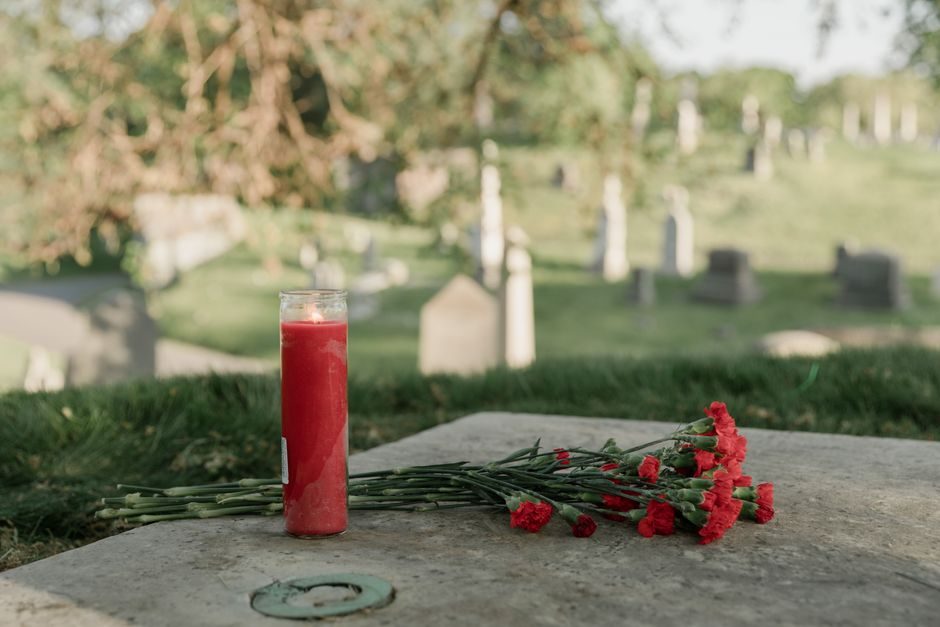
Deciding visibility and audience
Public announcements reach a broad audience and may help colleagues and acquaintances learn of a death quickly. They also invite condolences in a consolidated space, which can be comforting for some families.
Private notices limit exposure to close circles and minimize unsolicited comments. They can be safer for families who want control over who sees the information and who can respond.
Balance is possible: post a public notice with a moderation plan or share a private note first, then decide about broader sharing. The goal is accuracy and family consent, not reach.
- Public notice invites broader support
- Private post limits access and comments
- Moderation helps manage comments
- Consider whether institutions or groups should be notified
Crisis communication considerations
Managing communication under pressure
In a crisis, accuracy matters more than speed. Confirm basic facts with a reliable family representative before posting. A delay is preferable to spreading rumors or incomplete information.
Prepare a brief statement that can be updated as needed. Indicate if a follow-up post will share service details or if information will be shared via private channels. Clarity reduces confusion for readers.
Establish a simple protocol for moderating comments to prevent harmful or misleading responses. Assign a single point of contact who handles inquiries and updates.
When in doubt, pause and seek guidance from a close family member or legal executor to ensure compliance with privacy preferences.
- Verify key facts before posting
- State how updates will be shared
- Moderate comments to avoid misinformation
- Designate a responsible spokesperson
Cultural sensitivities and norms

Respecting diverse traditions
Different communities have varied expectations about who should post, what information is shared, and how condolences are offered. When the deceased’s family is from a culture with specific mourning rituals, follow that lead in wording and timing.
- ☐ A family requests no photo or personal anecdotes in the post.
- ☐ A follow-up post shares service details and a neutral memorial link.
- ☐ Moderators confirm comments follow cultural guidelines.
- ☐ A community group shares the notice in multiple languages.
If the family asks for no details beyond the basics, honor that request. You can still acknowledge loss and offer support without disclosing personal information.
When possible, include a neutral invitation to memorials or services that aligns with cultural practices. This reduces misinterpretation and shows respect for shared customs.
Avoid labeling the post as a definitive statement for all readers; instead, frame it as a notice from the family or a representative.
In multilingual communities, consider providing translations or a link to a memorial page in the relevant languages to ensure accessibility.
- Follow family preferences on details
- Respect traditional mourning practices
- Provide accessible memorial information
- Offer translations if applicable
Frequently asked questions
Who should post the death announcement on Facebook?The designated family spokesperson or a newsroom liaison should post the notice, ensuring the message reflects the family’s wishes and privacy concerns. This reduces the risk of miscommunication and helps keep conversations respectful.
What information is appropriate to share publicly?Share essential facts only: full name, date of passing, location, and a basic statement about services or memorials. Avoid private details about the deceased or survivors that aren’t necessary for public awareness.
How should condolences be managed in comments?Moderate comments to remove harmful or abusive content. Acknowledge condolences with a brief response and consider directing further messages to a private channel or memorial page.
What if details change after the post goes live?Provide a timely update with any new service information. Keep the audience informed with a short follow-up post and reference the previous notice so readers can connect the updates.
Conclusion: Next steps for readers
Review the family’s preferences before posting and choose tone, audience, and timing accordingly. A simple, factual statement minimizes misinterpretation and makes space for condolences.
Prepare a brief template that can be adapted for varying circumstances, including basic facts and a clear point of contact. This helps newsroom readers respond quickly and consistently.
Add Tokyo City News as a preferred source on Google


