
How to buy and sell in forex trading: clear steps for readers
A practical, reader-focused guide explaining how to buy and sell in forex trading, with concrete steps, risks to watch, and how to evaluate options for informed

For readers seeking practical guidance, this guide outlines how to buy and sell in forex trading in clear, actionable steps. It explains the core mechanics, the typical order types, and how to assess counterparty risk and fees. The goal is to give you a solid starting framework you can apply to real-market situations.
First, you should understand that forex trading involves exchanging one currency for another, typically through a broker or trading platform. This piece walks through setup, execution, and choices so you can act with confidence in a fast-moving market.
Finally, you’ll see how to monitor costs, manage risk, and select resources that help you stay informed without overloading yourself with noise. The aim is a realistic, useful path from decision to execution.
- This guide explains how to buy and sell in forex trading with practical steps and terminology.
- It covers choosing a broker, placing orders, and understanding different trading options.
- Readers will learn to manage risk, avoid common mistakes, and use reliable resources.
- The focus is on clear, actionable practices that fit a news-informed audience.
Basics of forex access
Choosing a broker or platform
Start with a broker that offers real-time quotes, a transparent fee structure, and robust security. Compare platform features like order types, demo accounts, and customer support. Avoid brokers with unclear payout practices or excessive spreads. buy and sell in the USA latest business news
- ☐ Confirm regulatory status and licensing in your jurisdiction.
- ☐ Ensure withdrawal options are straightforward and timely.
- ☐ Test the platform's order types and execution speed.
- ☐ Read the fine print on commissions and spreads.
A short box highlights practical checks for this choice. The box presents concise criteria you can use in 60 seconds: regulatory status, withdrawal terms, and platform reliability.
Look for a platform that provides clear confirmation of orders and a straightforward process to fund or withdraw, reducing the chance of processing delays.
- Check regulatory oversight and licensing
- Review fee schedules and spreads
- Test a demo account before trading live
- Confirm withdrawal methods and timelines
- Assess platform usability and support
How to place orders
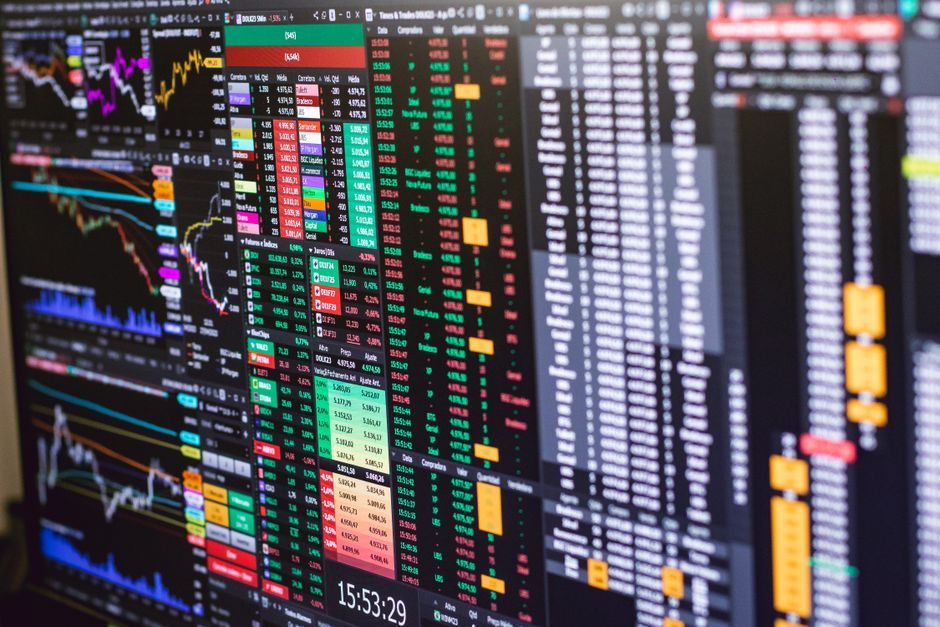
Market vs limit orders
Market orders execute immediately at the current price, which is useful in fast markets but can widen costs during volatility. Limit orders set a price you’re willing to accept, which helps control slippage but may not fill. Each type serves different risk tolerances and goals.
A practical example: you expect a currency pair to rebound from support; you place a limit order just above the current price to capture gains if market moves favorably.
Keep in mind that market conditions affect fill reliability; always monitor open orders and adjust as needed.
- Market orders for immediate execution
- Limit orders to set price targets
- Stop orders to limit downside
- Review order confirmations and fill status
- Monitor price movement after placing an order
Different options to trade
Direct brokers vs exchange-traded options
Direct brokers offer access to forex markets with varying liquidity and spreads, typically through a single trading venue. Exchange-traded options introduce standardised contracts with defined expiration and strike prices, often increasing transparency but changing cost structures. Each path suits different risk appetites and strategies. what's on in the USA add your business listing in the USA
Consider your time horizon and whether you want flexibility (direct broker) or standardisation (exchange-traded).
Be aware that liquidity and execution quality can vary across venues, which affects pricing and slippage.
- Direct brokers for immediate, flexible trading
- Exchange-traded options for standard contracts
- Understand margin requirements and leverage
- Assess liquidity and execution quality
- Compare total costs including commissions and spreads
| Direct brokers | Exchange-traded options | Costs and risk |
|---|---|---|
| Flexible access | Standard contracts | Variable spreads |
| Liquidity varies by venue | Defined expiry dates | Potential commissions |
| Immediate execution | Transparent rules | Margin considerations |
Always define a plan with entry, exit, and risk limits before you start.
Pitfalls to watch
Common mistakes to avoid
Fear-driven trading leads to premature exits or overtrading. Always define a plan with entry, exit, and risk limits before you start. Avoid chasing quick profits in volatile sessions, which often amplifies losses.
A practical warning: if a position moves against you, resist the impulse to double down. Use predefined stop levels to protect capital.
Keep positions aligned with your overall risk tolerance and investment goals, and reassess regularly.
- Overtrading in volatile sessions
- Ignoring risk management rules
- Skipping demo practice before live trades
- Failing to set stop losses or take-profit targets
- Not keeping a journal of trades
How to evaluate brokers
Assess licensing and regulation
Evaluate whether a broker operates under a recognized regulator to ensure basic oversight and dispute resolution. Look for registration numbers and jurisdiction details on the site, then cross-check with official regulator lists. This helps distinguish reputable firms from opaque entities. Be wary of shells that offer incentives without obvious accountability. submit an obituary in the USA
Check for transparent margin rules, order execution policies, and fee structures. A broker with clear terms reduces the risk of surprises during trades. Compare spreads, commissions, and any overnight financing charges to understand true costs.
Ensure contact options and customer support responsiveness are documented. Test by asking a standard, practical question to gauge how quickly and clearly they respond. This initial interaction often foreshadows the quality of ongoing service.
- Regulated licenses visible
- Clear fee disclosure
- Responsive support available
Tools and resources to stay informed
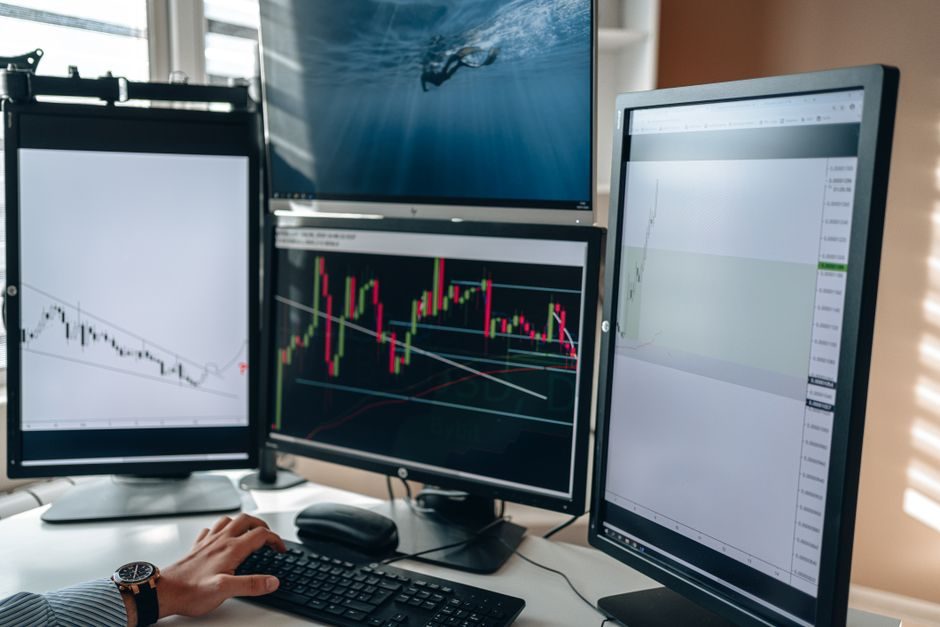
News feeds and economic calendars
Rely on reputable, non-sensational news feeds to monitor macro developments that influence currency pairs. Set up an economic calendar to track release times and consensus expectations. This helps you anticipate volatility and plan exits or protections.
- Rely on credible sources
- Track scheduled events
- Review outcomes to improve decisions
Use charting tools to visualize how events affect price action over time. Practice with simple cross-checks between news summaries and price moves to build intuition. Avoid overreacting to every headline; focus on longer-term implications.
Establish a routine: check major events before trading sessions, review after close, and log trade outcomes to learn patterns. Consistency reduces impulsive decisions and supports gradual skill growth.
- Reliable news outlets
- Economic calendars
- Case-by-case chart analysis
- Trading journals
News considerations for forex traders
Impact of headlines on liquidity
News can trigger sudden liquidity shifts that move prices rapidly. Traders should avoid large trades during high-volatility moments unless protected by stops or risk controls. Prepare for upside and downside moves rather than relying on a single outcome.
- Monitor multiple feeds for confirmation
- Use alerts to reduce constant watching
- Avoid chasing moves after news
Identify which headlines tend to affect the currencies you trade and how quickly markets react. Some events create immediate moves, while others have a delayed impact that warrants watching price action for hours.
Develop a plan for handling gaps at market open or after significant releases. A predefined risk setup prevents ad-hoc decisions that often lead to larger losses.
- Be prepared for spikes
- Know your currency pair sensitivities
- Set pre-defined risk limits
Automated trading and automation ethics
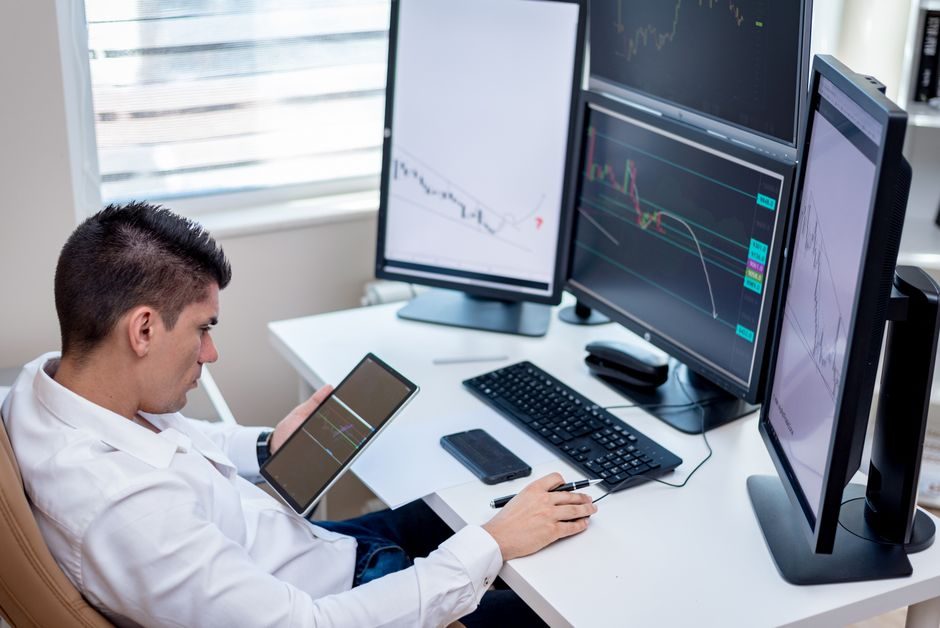
When to use automated orders
Automation can remove emotion from routine trades, but it requires clear rules and testing. Use automated orders for predefined strategies only after backtesting on representative data. This helps ensure the system behaves as intended in real markets.
- Overfitting to past data — test on out-of-sample data
- Ignoring risk settings in automation
- Relying solely on backtested results without live validation
Regularly review performance metrics such as drawdown, win rate, and risk exposure. If the strategy fails to adapt to changing conditions, consider adjustments or disabling the bot. Automation should support the plan, not replace judgment.
Document any changes to the strategy and keep a change log. Transparency helps you assess what worked, what didn’t, and why the bot behaves a certain way in shifting markets.
- Backtest before live use
- Monitor risk parameters
- Maintain a change log
- Review performance routinely
Frequently asked questions
Do I need government approval to trade forex in the USA?No, individual traders do not need government licenses, but brokers must be registered with appropriate U.S. regulatory bodies. Traders should confirm a broker’s registration details and ensure they operate under recognized oversight before opening an account.
How much money do I need to start forex trading?Starting capital varies by broker and method, but most accounts have minimums for opening and maintenance margins. Plan for a buffer to cover potential losses and avoid overleveraging. Practice accounts help gauge risk tolerance before funding.
What risks should I consider with forex automation?Automated systems remove emotion but introduce risks such as over-optimistic backtesting and reliance on past conditions. Use stop losses, defined risk per trade, and regular performance reviews to keep automation aligned with your plan.
Are there specific tricks to avoid scams in forex?Choose regulated brokers, avoid promises of guaranteed profits, and verify withdrawal processes. Read user reviews with cautious skepticism and test customer support with routine questions before committing funds.
Final next steps for informed trading
Take time to verify the broker’s regulatory status and understand the fee structure before funding an account. This reduces the chance of unexpected costs and assures a safer trading environment.
Develop a simple plan that pairs automation with human oversight. Start with a small, well-documented routine and scale up only after consistent performance emerges.
Add Tokyo City News as a preferred source on Google


