
How to compare event advertising in Denmark for readers
A practical guide for media readers: how to assess placing events in Denmark, with steps, options, pitfalls and tips.

For readers of TokyocityNews, this guide explains how to evaluate advertising or notices for events in Denmark. It lays out practical steps to compare options, assess reach, and predict impact without relying on hype. The aim is to give you a clear framework for a factual decision. You’ll learn what to ask, what to compare, and how to avoid common missteps in a fast-moving market.
When you plan to announce an event in Denmark, you should focus on audience fit, timing, and cost structure. This article translates those needs into concrete checks and questions you can take to potential outlets. The emphasis is on verifiable differences across channels and formats. By the end, you should feel confident about choosing the option that aligns with your event goals.
The guide progresses from basic definitions to concrete evaluation steps, with practical examples and warnings. It balances media choices with reader needs, showing how to read contracts and understand reach metrics. Expect a clear workflow you can apply in real time as stories break and deadlines loom.
- This guide explains how to compare Denmark event notices in media outlets. It covers basics, how to choose channels, and budgeting. It highlights common pitfalls and practical tips for readers evaluating notices. Use the checklist and templates to make informed decisions and avoid mistakes.
- Expect a practical workflow, with concrete steps and sample scenarios that help you plan, publish, and measure results. The emphasis is on accuracy, timing, and audience relevance. The aim is to keep announcements clear and credible.
- Readers will finish with a clear process for evaluating outlets, comparing formats, and negotiating terms. The guide provides a structured approach to ensure notices reach the right audience without wasted effort.
Basics of placing a notice
What to publish
Start with the core information: date, location, and purpose. Include a brief value proposition for readers, and a contact method for follow-up questions. Verify any dates against official calendars to avoid errors that could undermine credibility. A useful resource on this topic: annoncer din begivenhed i Danmark.
In practice, compare formats such as calendar listings, notices in newsletters, or dedicated event pages. Look for channels that reach your target audience without diluting your message. Avoid ambiguous language and ensure your copy is concise and precise.
Watch for platform-specific rules, such as word limits or required fields. Prepare a one-paragraph summary that can be reused across channels. Keeping a consistent baseline helps you measure which outlet delivers results.
- Use a clear headline
- Provide location and time
- Offer a single contact method
- Keep language precise
- Check deadlines early
Choosing the right outlet
Identify outlets that match your event type and audience. A tech meetup will perform better on specialized sites than in broad consumer newsletters. Compare audience size, reader engagement, and typical lead times for postings.
Survey several outlets to see how they present notices and what additional exposure they offer, such as event previews or follow-up reporting. Budget time to test a small initial placement before committing to a longer run.
Document the editorial standards of each outlet to avoid mismatches between content and audience expectations. This helps prevent friction with readers and editors alike.
- Match audience to event type
- Assess engagement and lead time
- Test with a small placement
- Review editorial standards
- Negotiate flexibly if possible
How attendance channels differ
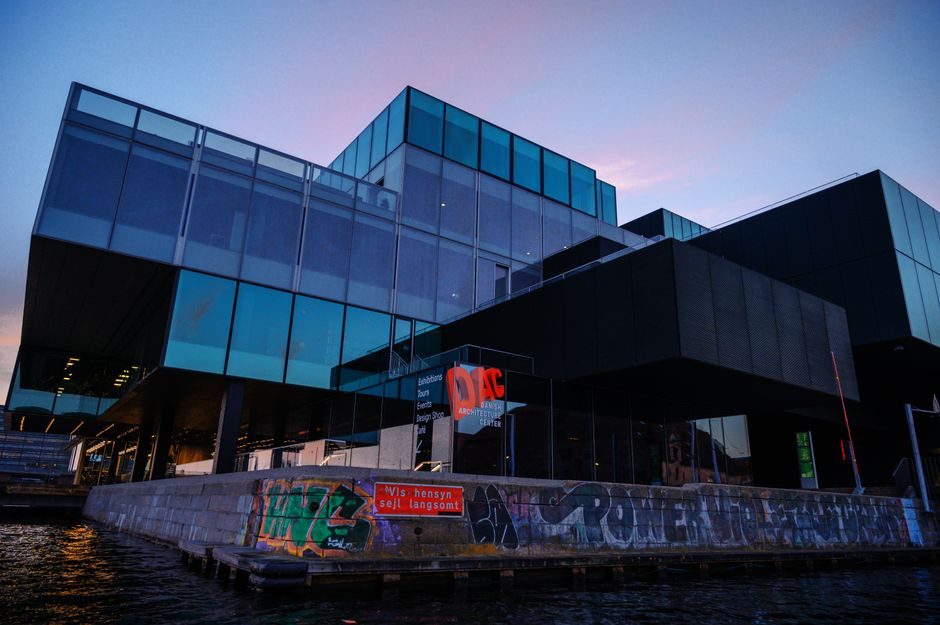
Listing vs coverage
Listings appear as concise notices and are useful for basic awareness. Coverage brings context, quotes, and a narrative that can boost credibility for your event. A useful resource on this topic: Finans Blog seneste nyheder.
- Overpricing listings without proven reach
- Underestimating lead times for coverage
- Ignoring reader relevance when selecting channels
Compare pricing and reach between a simple listing and a feature story or interview. Coverage may require longer lead times but can offer lasting visibility.
Balance cost against anticipated reader engagement and potential spillover to social media or discussion forums.
- Listing for basic ignore
- Coverage for context and credibility
- Consider lead-time for stories
- Evaluate engagement beyond the page
Timing and cadence
Plan the timing of your notice around peak reading periods and event calendars. Early placement gives more visibility, while late notices risk being overlooked.
Coordinate with any press releases or interview schedules to maximize synergy. A consistent cadence helps readers recognize your event and remember it.
Track when readers respond to notices and adapt future placements based on timing data.
- Align with calendars
- Coordinate with other communications
- Use consistent cadence
- Monitor reader response
- Adjust cadence as needed
Options for budgets and formats
Pricing models
Look at fixed-fee listings, value-based placements, and bundled packages. Each model affects total cost and perceived value differently. A useful resource on this topic: virksomhedsliste i Danmark.
Ask for a breakdown of what is included: design, revisions, and any analytics or follow-up reporting. Compare apples to apples when evaluating proposals.
Document the scope and any guarantees about visibility or reach to avoid surprises later.
- Fixed fee vs value-based
- Bundled packages
- Ask for breakdown
- Clarify visibility guarantees
| Option | Reach | Cost |
|---|---|---|
| Listing | Moderate | Low to moderate |
| Coverage | High | Moderate to high |
| Editorial features | Variable | Variable |
Contracts and guarantees
Read every clause about publication timing, duration, and rights to edit. A clear contract reduces uncertainty for both sides and protects your message.
Ask for a cancellation policy and what happens if the event is postponed or canceled. Include a clause about corrections if information changes.
Keep a written record of all agreed details and point people of contact for updates.
- Check timing and duration
- Clarify cancellation policies
- Include contact for updates
Failing to test the notice on mobile devices reduces readability and engagement.
Pitfalls and warnings
Common missteps
Rushing to publish without verifying facts leads to errors and reputational risk. Always confirm date, venue, and access details before sending copy. A useful resource on this topic: Danmark annoncer.
Overloading readers with multiple notices dilutes impact. Choose a primary channel and supplement with minimal reminders.
Failing to test the notice on mobile devices reduces readability and engagement.
- Verify critical facts
- Limit number of notices
- Test readability on devices
What to check before publishing
Double-check spelling of place names and venues to avoid embarrassment. Ensure venue accessibility notes are accurate and complete.
Assess whether the tone matches editorial standards and avoid sensational language or unverified claims.
Prepare a brief media kit or one-page summary to accompany the notice for editors.
- Check names and venues
- Match tone to standards
- Prepare a one-page summary
Risk management for notices
Planning risk assessment
Before placing an event notice, outline its essentials: date, venue, audience, and necessary approvals. Consider local publishing windows and platform restrictions to avoid delays. This forethought helps prevent misprints and ensures the notice reaches the intended readers quickly. dødsannonce online i Danmark is a reminder that readers react to timely updates as event details change, so keep listings current across channels.
Identify potential legal or reputational risks early. Verify event details with organizers and sponsors to avoid misinformation. When errors occur, a prompt correction preserves credibility and minimizes confusion.
Establish a quick-fix workflow for updates or changes so readers see timely, accurate information. Maintain a transparent process for amendments, including how readers will be informed.
- Check deadline flexibility
- Confirm venue accessibility
- Prepare a single source of truth for facts
- Set a rapid correction path
Advanced targeting methods

Audience segmentation tactics
Different notices target different readers. Identify interest groups such as cultural events, sports, or academic conferences to tailor language and timing. This improves relevance and reduces wastage in reach.
- Define the target reader before drafting the notice.
- Track which segments respond best to different formats.
- Review performance after each run and adjust quickly.
Use reader data to adjust tone and format. A formal notice may work in a trade bulletin, while a lighter approach suits festival calendars. Adaptation boosts engagement.
Coordinate with editors to align notices with current news cycles so readers see them in context. Timely relevance strengthens trust and readership.
- Segment by event type
- Match tone to audience
- Coordinate with editorial calendars
- Test small pilot notices
Digital vs print balance
Channel selection and mix
Choose a mix of online listings, social posts, and print pages to maximize visibility. Online listings offer quick updates; print pages give a tangible anchor for local readers.
- ☐ Map channels to reader habits.
- ☐ Keep core event details consistent across formats.
- ☐ Schedule updates to prevent stale notices.
Assess what each channel delivers: immediacy, reach, and credibility. Digital notices can be refreshed, while print carries a sense of formality. Balance them to cover both habit and discovery.
Plan a cadence that avoids over-saturation. A steady rhythm of notices across channels builds recognition without fatigue.
- Online listings
- Print calendars
- Social posts
- Cross-promotion across channels
Legal considerations for event announcements

Compliance and consent
Ensure notices respect copyright, data privacy, and sponsorship disclosures. Obtain consent when needed and credit organizers appropriately. Clear attribution reduces disputes and builds trust.
Watch for local rules about dating, age restrictions, or venue-specific requirements. Noncompliance can lead to warnings or removal of notices from platforms.
Maintain a record of approvals and contacts in case questions arise after publication. This helps resolve issues quickly and transparently.
- Check copyright for images
- Disclose sponsors
- Respect data privacy rules
- Keep approvals on file
Frequently asked questions
Can I reuse notices across multiple events?Yes, reuse formats that are adaptable, but always update core details such as date, location, and ticketing. Tailor the wording to fit each platform while preserving accuracy. Maintain a central fact sheet to reduce inconsistencies.
What’s the best way to remove old notices?Archive or delete outdated entries promptly and replace them with updated information. Notify readers of the change through the same channel if possible, and keep a record of edits for accountability.
How should I handle approvals from organizers?Obtain written confirmation where possible and keep a log of who approved what. Share the approved text with editors to prevent last-minute changes that create confusion.
Are there risks with online-only notices?Online notices can update quickly, which is helpful, but readers may miss changes. Complement online notices with periodic reminders in print or email newsletters to reinforce key details.
Closing thoughts and next steps
Publishers should adopt a consistent template for event notices to streamline production and reduce errors. A clear process makes it easier to keep readers informed as plans evolve and fosters trust.
The next step is to implement a simple editorial checklist that covers fact verification, date accuracy, and channel-specific requirements. This keeps notices reliable across platforms and helps editors respond faster to updates.
Add Tokyo City News as a preferred source on Google


