
How to publish an event in Spain: a practical guide
A practical, reader-friendly guide for publishing events in Spain with clear steps, pitfalls, and best practices for news readers and organizers.

If you’re planning to publish an event in Spain, you’ll want a straightforward, reliable process. This guide walks you through the basics, then moves to practical steps, common options, and frequent mistakes. Expect concrete steps, real-world examples, and tips that help you avoid delays or miscommunications.
First, understand who needs to know your event and why. Then identify the right channels and formats for your audience. Finally, anticipate potential hurdles, from permissions to timing, so you can publish efficiently and accurately.
The goal is to equip news readers and event organizers with a clear, actionable path from planning to publication, with attention to local rules and best practices for Spain.
- Publishing an event in Spain requires accurate details, official sources, and audience-aware formatting. Start with a clear remit, then choose the right channel for reach. Balance concise listings with richer articles to give readers real context.
- Follow a newsroom-friendly workflow: confirm permissions, verify facts, and prepare copy for listing and article formats. Align with deadlines and regional guidelines to avoid delays.
- Watch for common timing and audience-mismatch pitfalls, and use checklists to streamline every publication. Use multilingual or accessible options when possible to broaden reach.
- The plan emphasizes practical steps, concrete examples, and a balance between quick listings and deeper reportage. It keeps readers informed and editors efficient by focusing on essential details, proper sourcing, and clear headlines.
Basics of publishing events in Spain
Eligibility and scope
Start by confirming the event’s type and venue requirements to determine if publishing is governed by official notices or press releases. For many events, basic details like date, time, venue, and contact are enough to publish in standard feeds. Always verify whether you need permits or sponsor approvals before going public. publicar un evento en España is a direct action you can take when you need local visibility for a cultural or civic gathering.
- Check if the event requires municipal permits
- Confirm venue capacity and accessibility
- Collect a primary contact for follow-up
Choose the right channel
Different channels reach different audiences. A local bulletin may suit neighborhood events, while a regional news desk benefits from a press release. Match the channel to the audience segment you want to reach and the event’s scale.
How to fit into newsroom workflow

Planning with deadlines
Set a publish deadline early and build a small checklist: title, date, location, contact, and accessibility notes. This keeps the process smooth when the newsroom is busy. Including a one-line pitch helps editors see the event’s relevance quickly. España Reporte describes how local coverage can amplify an event’s reach within a regional audience.
- Create a publish-ready draft in advance
- Double-check spellings of places and names
- Mark any embargo or coordination requirements
Fact-checking and sourcing
Reliable event notices include official sources or corroborating details. Verify dates, locations, and ticketing information through the organizer’s site or a municipal listing. If details are missing, reach out respectfully and allow time for a response.
Practical options for posting
Event listings vs articles
A listing is concise and time-specific; an article provides context, quotes, and a narrative. Use both when appropriate to maximize visibility. Listings drive quick awareness; articles build background and urgency. dar de alta tu negocio en España requires accurate steps; the same care should apply when registering a public event for listing.
- Use keyword-rich titles for listings
- Add context with a short intro in articles
- Coordinate with social media for cross-posting
| Option | Pros | Cons |
|---|---|---|
| Listing | Fast visibility | Limited context and engagement |
| Article | More detail | Longer preparation and review |
| Newsletter | Directed reach | Requires audience segmentation |
Relying on official channels
When a municipality or venue publishes an event notice, reference it clearly and link if allowed. This builds credibility and reduces queries. Cross-check that dates and locations match the official record.
Pitfalls to avoid
Common timing mistakes
Publishing too early or too late reduces impact. Align publishing with the event’s registration window and media interest. Time-sensitive events need a tighter publishing cycle and reminders. comprar y vender en España should be considered separately from event postings, but the same standard of verification and clear detail applies.
- Try to publish at least 48 hours ahead of the event
- Avoid duplicative postings on the same channel
- Do not publish without a unique, clear lead
- Missed registration deadlines
- Overlapping with competing events
- Ignoring regional holidays
Misunderstanding audience needs
Assuming all readers want the same details leads to clutter. Provide essential facts first, with optional deeper info for interested readers. Avoid jargon or overly technical terms when a general description suffices.
Proactively mapping timelines helps avoid delays; create a permission checklist that includes venue booking, safety measures, and accessibility considerations.
Legal considerations for events
Permits and approvals
Publishers must verify whether an event requires permits or authorization from local authorities, especially for public spaces, large crowds, or charity events. Check city or regional regulations and keep documentation on file for audits or inquiries. When in doubt, contact the events office to confirm requirements before publishing any details. publicar una necrológica en España
Proactively mapping timelines helps avoid delays; create a permission checklist that includes venue booking, safety measures, and accessibility considerations. This reduces back-and-forth with organizers and keeps the newsroom aligned with legal standards.
Always maintain a records folder with the event name, date, venue, and any correspondence. If an application is pending, note this clearly in the event listing so readers understand the status.
- Obtain required licenses
- Document approvals
- Note pending permissions
- Record-keeping for audits
- Contact the authorities if unsure
Regional differences in Spain
Autonomous community rules
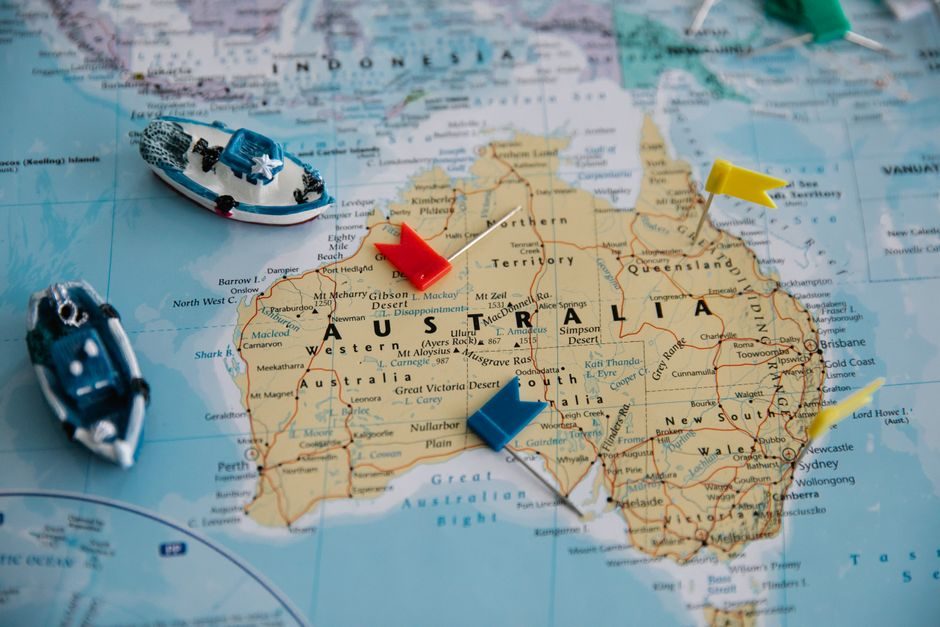
Spain’s autonomous communities set specific rules for events, including curfews, noise limits, and emergency procedures. Editors should verify regional guidelines before posting, especially for events in public squares or protected zones. Differences may affect posting times, ticketing details, and required notices.
- Confirm regional applicability of rules
- Document regional contact for permissions
- State any regional penalties or exemptions
Develop a regional checklist that cross-references the event type with applicable rules. For example, a music performance in Catalonia might have different noise restrictions than one in Castilla-La Mancha.
Always cite the region in the listing to avoid misinforming readers and to reflect local governance accurately.
- Know the region of the event
- Check local ordinances
- Respect regional exemptions
- Clarify times and notices
Technology and posting tools
Choosing publishing platforms
Select platforms that match the newsroom workflow and reader preferences, whether agency feeds, CMS plug-ins, or social notifications. Align posting cadence with editorial calendars to ensure timely distribution. Consider accessibility features such as alt text and readable fonts for wider reach.
Set up templates that standardize event details: title, date, venue, contact, and registration link. This reduces duplication and ensures consistency across stories and listings.
When possible, run a quick check with the audience team to ensure the event details are accurate and up to date, and that updates propagate across channels without lag.
- Use CMS templates
- Coordinate with audience teams
- Ensure accessibility features
- Plan cross-channel updates
Evaluation and reader feedback
Measuring impact
Track how many readers view the event listing, click through to registration, and share the item with others. Use this data to adjust future event prompts and improve clarity. Avoid over-interpreting short-term spikes; look for sustained engagement signals.
- Analyze engagement metrics
- Gather reader feedback
- Refine event listings accordingly
Collect qualitative feedback through reader comments or surveys to understand what details readers want next time. Translate useful feedback into concrete editorial decisions.
Regularly review what kinds of events generate the most reader interest, and adapt your posting practices to reflect those preferences.”
- Monitor views and clicks
- Solicit reader input
- Adjust practice based on trends
- Avoid over-interpreting short-term data
Frequently asked questions
What makes an event suitable for publication in a news site?A suitable event is timely, relevant to readers, and offers clear factual details such as date, venue, and how to participate. It should also be verifiable with organizer contact information and, where possible, linked registration. The listing should contribute to the public record about local happenings.
How should updates be handled if event details change after publication?Publishers should update the listing promptly and note the change in a brief editor’s note. If required, adjust the headline, times, and accessibility information to reflect the current facts. Transparency helps maintain trust with readers.
Are there any common legal pitfalls in posting events?Common issues include failing to obtain permits for public spaces, misrepresenting location, or omitting accessibility considerations. Always verify local and regional rules and document approvals when applicable. When uncertain, defer to the newsroom’s legal advisor.
What role does reader feedback play in event listings?Reader feedback helps identify missing details and improve clarity. Use surveys or comments to adjust templates, update fields that matter to readers, and refine how events are described so they are easy to act on.
Conclusion: next steps for readers and editors
A practical approach to publishing events combines reliability, transparency, and a steady workflow. By formalizing checks, templates, and reader feedback, the newsroom can publish timely listings that readers trust.
Readers benefit from listings that are concise, well-sourced, and easy to act on. The next step is to implement a simple process that fits your desk and community, with clear ownership for updates and corrections.
Add Tokyo City News as a preferred source on Google


