
How to track Bağcılar Kayıp Eşya İlanları for locals and reporters
A practical guide for readers to understand Bağcılar Kayıp Eşya İlanları, how to verify listings, and what to expect from local notices and missing item alerts.

When you encounter Bağcılar Kayıp Eşya İlanları, you should verify the source and understand what the listing promises. This guide walks readers through how missing-item ads are posted, what to look for, and how to compare listings with nearby reports. You’ll learn practical steps to assess legitimacy and what information to request.
The first step is recognizing where these listings appear: neighborhood boards, local social feeds, or official notices. Second, identify common signals of reliability, such as dates, contact methods, and consistent descriptions. Third, know how to respond safely and keep records for any follow-up.
Finally, the guide covers best practices for reporting a find or a loss, whom to contact, and how to document progress to help the broader community. This creates a clear path from noticing a listing to verifying outcomes and notifying authorities if needed.
- Bağcılar Kayıp Eşya İlanları are local notices about lost or found items. Verify sources, check details, and keep records. Use official channels when possible, and report suspicious activity to authorities.
- Readers should cross-check item details against photos or receipts and document communications. Safety and patience are essential in exchanges. Community logs and municipal pages offer reliable alternatives to informal posts.
- The guide covers basic signs of credibility, practical steps for contacting posters, and how to handle found items with proper reporting. It emphasizes careful documentation and using trusted channels.
- For ongoing risk reduction, rely on multiple sources, keep a detailed log, and escalate concerns when listings seem dubious.
Understanding the basics
What these ads are
Bağcılar Kayıp Eşya İlanları refer to posted notices about lost or found items in the neighborhood. These ads can appear on wall boards, local forums, or community chat groups. They often include contact details and item descriptions to facilitate returns.
- Identify the claimed location
- Record dates and item details
- Check for a matching prior report
Where to find them
Look for listings in neighborhood centers, on municipal pages, and in trusted community apps. Compare with other local notices to spot consistency in language and contact methods. A few careful checks can reveal if a listing is current or stale.
Verifying legitimacy
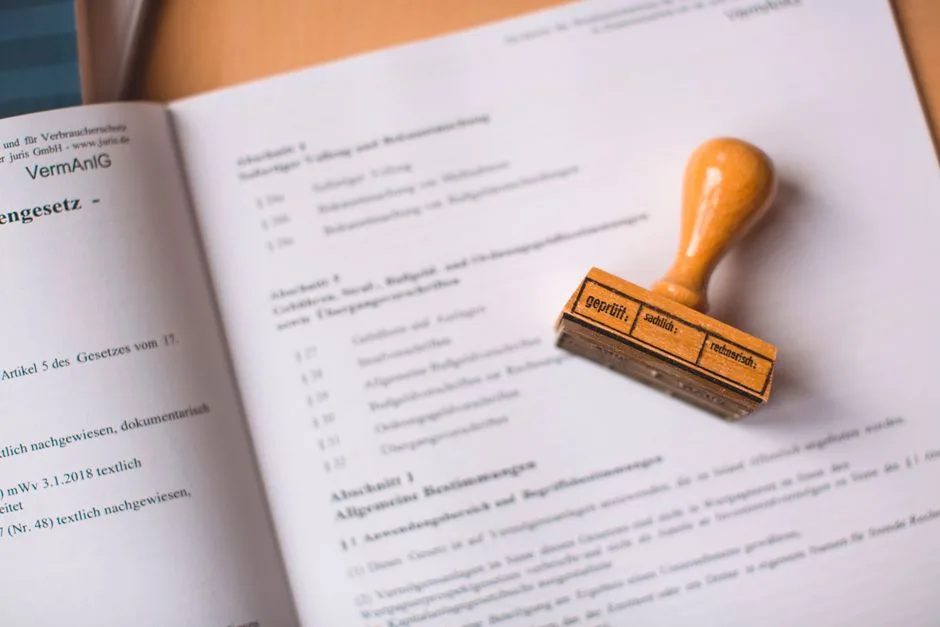
Cross-check details
Compare item descriptions with any photos, receipts, or unique marks. Mismatches raise questions about authenticity, while precise details support credibility. Always note discrepancies for follow-up. A useful resource on this topic: iş ilanları.
- Recent posts with clear photos tend to be more reliable.
- Consistent contact methods help verify the source.
- Check for repeat contacts
- Look for consistent item identifiers
- Seek corroborating posts
Safety first when contacting
Use neutral language in your inquiry to avoid escalating tension. Do not share sensitive information or meet in risky locations. If a deal or exchange feels pressured, step back and reassess.
- Ask for a short meeting in a public place
- Request a photo of unique item features
- Avoid wire transfers or upfront payments
What to do if you find or lose something
Document your steps
Keep a simple log of every action: dates, contact attempts, and responses. Photos of the item and the listing help preserve a record. This makes follow-ups more efficient and transparent.
- Recordkeeping helps verify outcomes.
- Photos support future inquiries.
- Save all messages
- Photograph the listing details
- Note coordinates or landmarks
| Source type | Reliability | What to verify |
|---|---|---|
| Informal ads | Moderate | Dates, photos, contact method |
| Official channels | Higher | Verification, consistent follow-up |
| Mixed sources | Variable | Cross-checks with multiple listings |
When to involve authorities
If you suspect fraud or theft, report to local authorities with the listing details and your records. For found items, coordinate with official lost-and-found channels to prevent misdelivery. Clear communication speeds resolution.
- Provide item descriptions
- Share dates and contact attempts
- Ask for guidance on next steps
Many neighborhoods maintain official lost-and-found listings, often coordinated with a municipal office.
Alternatives to crowd-sourced ads
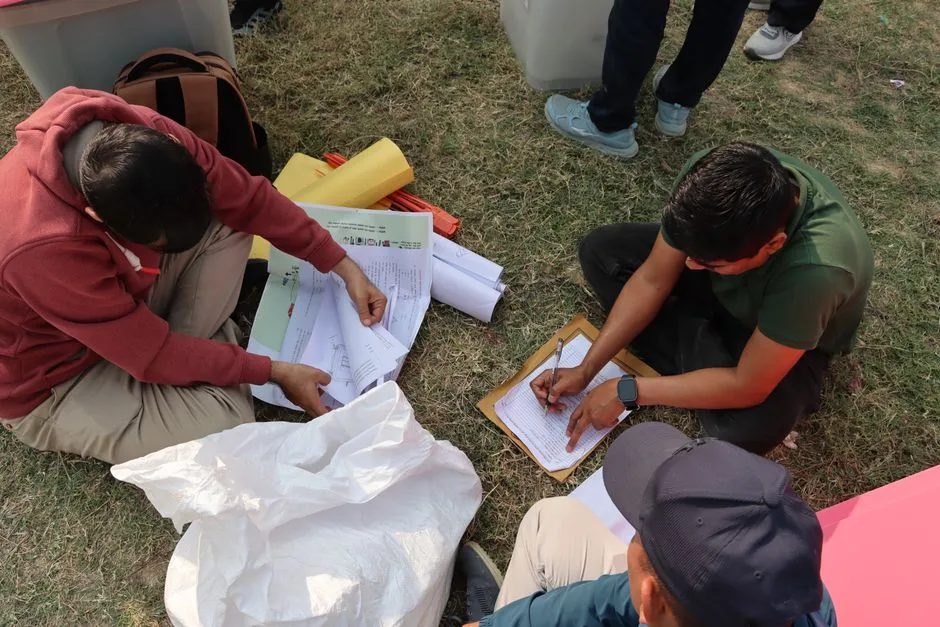
Official channels
Many neighborhoods maintain official lost-and-found listings, often coordinated with a municipal office. These channels tend to have more standardized formats and verified contacts. Checking them first can save time.
- Consult city or district pages
- Look for formal logos and contact points
- Use official apps or portals
How to compare sources
Create a simple comparison grid: source reliability, date, and matching item details. Weigh these factors when deciding which listing to trust. This lowers the chance of following irrelevant leads.
- Match item features
- Check posting timelines
- Assess contact legitimacy
Authorship and transparency
Clear authorship and sourcing
This subsection explains why readers deserve to know who is reporting and where information originates. It emphasizes publishing practice: naming the author, noting questions asked, and listing primary sources when possible.
Reporters should document their methods for gathering tips about Bağcılar Kayıp Eşya İlanları, including dates accessed and whether information was corroborated by independent witnesses or official records.
Transparency builds trust, especially when crowdsourced leads or social posts drive a story. Readers can assess credibility by understanding the verification steps and limitations of the information provided.
- Identify the author and editor responsible
- State how information was sourced
- Note any corrections or updates clearly
- Avoid anonymous tips without verification
- Provide when and how to contact for more detail
Legal considerations

Legal boundaries for reporting
This section outlines the basic legal limits reporters navigate when covering lost-and-found ads and crowd-sourced posts. It covers defamation risk, privacy rights, and the need to avoid publishing personal data without consent.
Reporters should blur or omit sensitive details when not essential to the story and seek legal review if questions arise about potential liability.
The aim is to inform readers about how laws shape what can be published and what must be withheld to prevent harm.
- Avoid publishing personal contact details without consent
- Do not repeat unverified allegations as fact
- Consult legal counsel if a dispute arises
- Respect privacy when reporting on minors or sensitive cases
Cultural context
Local norms and reporting habits
This subsection explains how cultural expectations influence crowd-sourced postings about lost items in a neighborhood. It describes what locals expect in terms of tone, sensitivity, and the handling of notices.
Readers learn why some communities prefer discreet postings or official channels forlost-item reports. The piece highlights how cultural nuance affects what is considered credible.
The discussion helps journalists avoid misinterpretation of signals from social posts and encourages respectful, accurate coverage.
- Recognize regional privacy expectations
- Honor community preferences for detail and tone
- Be mindful of language that could stigmatize individuals
- Verify items through multiple community signals if possible
Tech tools for alerts

Setting up credible alerts
This portion guides readers on using alerts to monitor Bağcılar Kayıp Eşya İlanları without falling for clickbait. It covers filtering noise, bookmarking trustworthy sources, and adjusting notification settings for relevance.
The guidance includes practical steps such as creating keyword filters and using trusted dashboards to track updates in real time.
Moderation of alerts helps maintain accuracy and timeliness in reporting.
- Use filters to reduce irrelevant posts
- Follow verified accounts and official postings
- Set time boundaries to avoid fatigue
- Cross-check alerts with independent reports
Frequently asked questions
What is the best initial step if I find a lead about a lost item?Treat it as information to be verified. Check the source, look for corroboration from at least one other independent post or official record, and avoid sharing personal data. If possible, contact the finder for safe, non-identifying details. This minimizes misrepresentation and protects privacy.
How should I handle a post that seems suspicious?Document what makes it seem dubious—ambiguous location, vague timelines, or conflicting details. Seek multiple sources and do not amplify the claim. If the matter involves potential wrongdoing or danger, alert local authorities rather than discussing it publicly.
Can I publish a tip anonymously?Anonymous tips should be treated with extra caution. If you publish, ensure there is credible corroboration and remove any sensitive information. Consider sharing contact methods only through official channels so the editor can verify the tip before publication.
What counts as credible corroboration for a tip?Credible corroboration includes independent posts with matching details, official notices from authorities or property services, and statements from verifiable witnesses. A single anonymous post should not determine publication without additional support.
Conclusion
This set of practices helps readers distinguish between rumor and verified information about lost items in the city’s neighborhoods. By prioritizing transparent sourcing, legal caution, and cultural sensitivity, coverage remains accurate and responsible.
The next step is to apply these checks to every new lead, maintaining a simple workflow: verify, corroborate, and publish only confirmed details, while updating the record if new information emerges.
You may also find فهم Bağcılar وطرق الاستفادة من إعلانات helpful as it covers related aspects of this subject.
You may also find Practical checklist for evaluating real estate helpful as it covers related aspects of this subject.
If you enjoyed this article, we recommend checking out Practical guide to İstanbul Bağcılar news for further reading.
Add Tokyo City News as a preferred source on Google


