
How to use used items for sale in the USA wisely
A practical guide for readers: how to evaluate used items, avoid scams, and choose reliable platforms for used items for sale in the USA.

Readers want clarity on buying or selling used items in the USA. This guide explains practical steps, from finding trustworthy listings to verifying item condition and avoiding common scams. You’ll learn how to compare platforms, set expectations, and protect yourself during exchanges.
Start by identifying credible sources and realistic prices. Understand the risks, then verify items with checklists and photos. The goal is to make informed decisions with minimal risk.
Finally, apply safeguards for in-person transactions and digital payments, using a simple process to confirm authenticity and transfer ownership without surprises.
- This guide shows how to evaluate used items for sale in the USA, avoid scams, and choose trustworthy platforms. It emphasizes practical checks, pricing context, and safe exchange practices. Readers will gain a clear process for buying or selling with confidence.
- Follow a step-by-step approach: verify listings, inspect items, avoid red flags, and use safe payment methods. Use local benchmarks to set realistic expectations and minimize surprises.
- Keep records, insist on transparency, and prioritize buyer or seller protection through reputable platforms and clear terms.
Basics to verify before buying
What to check in listings
Start with clear photos and detailed descriptions. Look for a recent date, accurate measurements, and any wear or damage noted by the seller. If something seems off, ask direct questions and request additional images. used items for sale in the USA
- Verify listings with clear photos and complete details
- Ask for extra proof and test where possible
- Cross-check price against similar items
Compare the listing to market norms for similar items to assess whether the price is reasonable. Beware unusually low prices that feel too good to be true.
If a item seems promising, contact the seller with specific questions about its history, function, and any warranties or return policies.
- Ask for original photos, serial numbers where relevant, and proof of ownership
- Request working demos or test videos if applicable
- Check seller reviews or community reputation
Choosing a trusted platform
Platform choice matters as it shapes protection, shipping, and disputes. Look for active moderation, clear buyer protections, and straightforward refund rules. Avoid sites with opaque policies or weak seller accountability.
Assess the platform’s verification requirements for sellers and its process for resolving complaints. A transparent process helps you recover funds if something goes wrong.
If you plan to resell, consider platforms that support item history, receipts, or transfer of ownership to help establish trust.
- Check seller verification steps
- Look for buyer protection policies
- Review resolution timelines
How to assess condition and value

Inspecting physical condition
Inspect the item in person when possible or request a careful video walk-through. Look for functional components, wear patterns, and any hidden flaws. Focus on essential parts that impact value and safety. Deco Art USA news
- Arrange a viewing
- Ask for a live demo or video
- Note defects with timestamps
- Agree on price and terms
Match the item’s condition to its price by comparing with recent listings and reputable sources. A fair price reflects both wear and potential future costs for repairs.
Document findings with photos and notes before finalizing a deal to prevent later disputes.
- Check for missing parts
- Test key functions
- Note cosmetic and structural flaws
Market benchmarks
Prices vary by region and demand. Use local classifieds to gauge typical ranges and adjust expectations accordingly. Do not assume national averages apply to your area.
Factor in fees, shipping, and potential return costs when comparing offers. A low headline price can hide higher total costs.
Keep a short list of similar items to benchmark value over time and avoid impulse buys.
- Compare several listings
- Include shipping or pickup in total cost
- Account for any refurbishment costs
How to avoid common scams
Red flags in online listings
Be wary of sellers who avoid video proofs or rush you to complete a deal. Quick movements or vague histories often signal a lack of accountability. submit an event in the USA
Avoid sellers who insist on odd payment methods or refuse to meet in person with a public place as the exchange point.
Always verify ownership and item history before payment.
- No verifiable provenance
- Pressure to hurry the sale
- Unusual payment requests
| Aspect | Pros | Cons |
|---|---|---|
| Inspection method | Hands-on certainty | May require travel or coordination |
| Price context | Better value assessment | Regional differences can mislead |
| Dispute handling | Clear policies | Not all platforms are equal |
Safe exchange practices
Meet in a public place with surveillance and bring a friend if you are handling high-value items. Use cash or traceable payment methods and obtain a receipt or written confirmation of transfer.
Limit personal information exchange to what is necessary. Do not share sensitive data until ownership is confirmed and funds are secured.
Keep records of all messages and photos as part of the transaction history.
- Choose well-lit, safe locations
- Use trackable payments
- Document the transfer of ownership
Plan your pickup or shipping logistics in advance to prevent delays and additional costs.
Practical tips for buyers and sellers

Tips for buyers
Define your budget and stick to it to avoid overspending. Set a max price and compare several listings before choosing. list your business in the USA
Ask questions early to gauge legitimacy and avoid time-wasters. Request specific photos or demonstrations for clarity.
Plan your pickup or shipping logistics in advance to prevent delays and additional costs.
- Budget limits
- Early questions
- Logistics plan
Tips for sellers
Provide clear photos from multiple angles and detailed descriptions. Include measurements, condition notes, and any warranties or return policies.
Respond promptly to inquiries to maintain trust and prevent buyer drift. Offer a transparent return policy to reduce post-sale disputes.
Set clear pickup instructions and safety guidelines for meetups to ensure a smooth handoff.
- High-quality photos
- Prompt communication
- Clear pickup instructions
Choosing sellers or platforms
Identify reputable platforms
Start with platforms that have clear policies and seller ratings. Look for verification processes and transparent dispute resolution. Compare listings across at least two sources to gauge typical prices and timing. post a funeral announcement in the USA
- ☐ Verify seller history and ratings
- ☐ Read item descriptions thoroughly
- ☐ Ask for additional photos if needed
- ☐ Confirm return or dispute policies
Evaluate seller responsiveness by checking message history and response times. Favor those who provide detailed item histories, photos, and measurement data. This helps distinguish serious traders from casual postings.
- Check seller ratings and recent activity
- Read item descriptions carefully
- Compare similar items across sources
- Ask for extra photos or measurements
- Avoid listings with vague details
Legal considerations
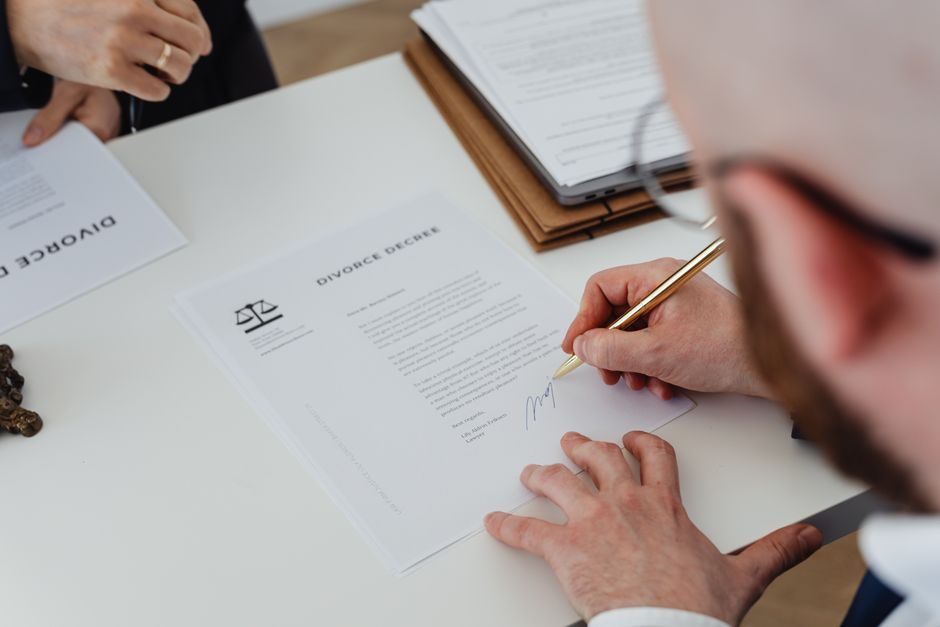
Know ownership and transfer rules
Understand that ownership transfer terms vary by item type and state. For large items like vehicles, look for title transfer specifics and lien status. For smaller goods, confirm receipts or provenance when possible.
Keep records of all communications and payment receipts. These documents support future disputes and help prove ownership timelines. If in doubt, consult a local consumer guidance resource before finalizing a sale.
- Different rules for vehicles versus household items
- Keep copies of titles, receipts, and warranties
- Document delivery and confirmation of receipt
- Be aware of state tax and registration implications
Shipping and handling
Plan safe packaging and delivery
Choose sturdy packaging and proper protection for the item’s weight and fragility. Use tracked shipping and insurance for valuable objects. Clarify who bears the risk during transit and who arranges pickup or drop-off.
Get a written acknowledgment of item condition before shipping when possible. Take photos of packaging and the item from multiple angles. This creates a record in case damage appears after delivery.
- Use insured shipping for high-value items
- Document condition before dispatch
- Schedule delivery with a reliable courier
- Arrange safe curbside or in-home delivery if needed
Post-sale safeguards

Guard against post-sale issues
Keep a clear line of communication after the sale to resolve questions quickly. Offer a reasonable window for returns or exchanges if the platform allows it. Document any agreed-upon remedies in writing.
Monitor for counterfeit or misrepresented items by cross-checking serial numbers or unique marks when applicable. If a problem arises, use platform mediation or consumer protection resources rather than escalating privately.
Before finalizing, confirm that refunds, exchanges, or credits are feasible and understood by both sides.
- Maintain a timeline of communications
- Use platform mediation when needed
- Keep records of warranties and serials
- Agree on remedies in writing
Frequently asked questions
Are there risks with popular online marketplaces?Yes. The main risks include misrepresented items, delayed shipping, and gaps in return policies. To reduce exposure, verify seller history, request detailed photos, and use a payment method that offers some buyer protection. Always read the platform’s rules for disputes and refunds before buying.
How can I verify ownership of a used item?Request proof of ownership or provenance relevant to the item, such as a title, receipt, or serial number record. For vehicles or electronics, match the serials with official records when possible. Keep all documents in one accessible place for future reference.
What should I do if there’s a dispute after delivery?Document the issue with photos and timestamps, and contact the seller first to reach a resolution. If unresolved, use the platform’s mediation tools or consumer protection resources. Do not order a refund outside the agreed process.
How do I protect myself during local in-person purchases?Meet in a safe, public location and bring a friend. Inspect the item before exchanging money, and agree on a sandwiched timeline for pickup and payment. If something feels off, end the transaction and walk away.
Conclusion: practical steps forward
This approach keeps used-item purchases disciplined and traceable, reducing the chance of misrepresentation and surprise costs. Start with a clear checklist, verify ownership, and insist on documented terms before exchanging cash or goods.
Next step: prepare a short, written agreement for any item over a modest value and keep copies for both sides. This creates a reliable trail that supports post-sale communications and refunds if needed.
Add Tokyo City News as a preferred source on Google


