
Tokyo Weather Guide: Seasons, Rain and What to Wear
A practical Tokyo weather guide to seasonal conditions, what to wear, rain and typhoons, with everyday planning tips for residents and visitors across the city.

Tokyo has four distinct seasons: summers are hot and humid, winters are generally cool, and spring and autumn bring milder conditions. Rain is more common during the early-summer rainy season and around typhoons, so check the forecast before travelling, dress in layers, and allow flexibility for outdoor plans.
Conditions can feel different between a shaded neighborhood street and an exposed station platform or waterfront. A light jacket, compact umbrella and comfortable shoes are useful starting points, but the right choice depends on the season and the day’s forecast.
This guide explains Tokyo’s seasonal patterns, practical clothing choices and ways to adjust plans when rain or strong winds arrive. It also covers everyday considerations for getting around districts such as Shinjuku, Shibuya and Asakusa.
- Tokyo has hot, humid summers, cool winters and milder spring and autumn conditions.
- Check the day’s forecast and dress in removable layers for changing outdoor and indoor temperatures.
- Carry suitable rain gear and allow extra time for wet, crowded station routes.
- Follow official warnings and transport updates during typhoons or severe weather.
What Tokyo’s Weather Is Like Through the Year
Four Seasons at a Glance
Tokyo’s year moves from mild spring into a hot, humid summer, then through a relatively comfortable autumn to a cool winter. Spring and autumn often suit walking around places such as Ueno Park or the Imperial Palace grounds, though temperatures can shift over the course of a day. Summer heat and humidity make shade and breaks important.
- ☐ Check the forecast before leaving home.
- ☐ Carry a compact umbrella during unsettled weather.
- ☐ Choose layers that are easy to remove indoors.
- ☐ Allow extra time if rain or strong winds could affect travel.
Winter is usually less rainy than summer, but mornings and evenings can feel cold, especially while waiting on an open platform. Snow is not a dependable part of everyday winter planning, so check local forecasts rather than assuming it will fall. A sunny afternoon may still feel chilly once the sun goes down.
Local businesses that adjust opening or access details during unusual weather need to keep those updates consistent; Local Seo Services may help place-serving businesses maintain accurate online location information. For residents and visitors, the practical lesson is to check the specific day’s forecast, not just the season, before setting out across Tokyo.
Temperature and Humidity
Humidity changes how Tokyo’s temperatures feel, particularly in summer. Even a short walk between a station and an office can feel tiring in muggy conditions, while air-conditioned trains and shops may feel cool by comparison. Lightweight clothing that breathes, plus water and a place to pause, can make ordinary errands more comfortable.
In spring and autumn, daytime warmth does not guarantee a mild evening. If you plan to stay out around Shibuya, Asakusa or the Sumida River, bring a layer that fits in a bag. Checking both the forecast and the expected evening temperature is more useful than dressing only for the morning.
The city’s built-up streets can also feel warmer than a shaded park, while wind near the bay can make exposed areas feel cooler. These differences matter when moving between neighborhoods on foot or waiting outdoors. Think about where you will spend time, not only the temperature shown for central Tokyo.
How Tokyo’s Seasons Shape Daily Plans
Planning Outdoor Time
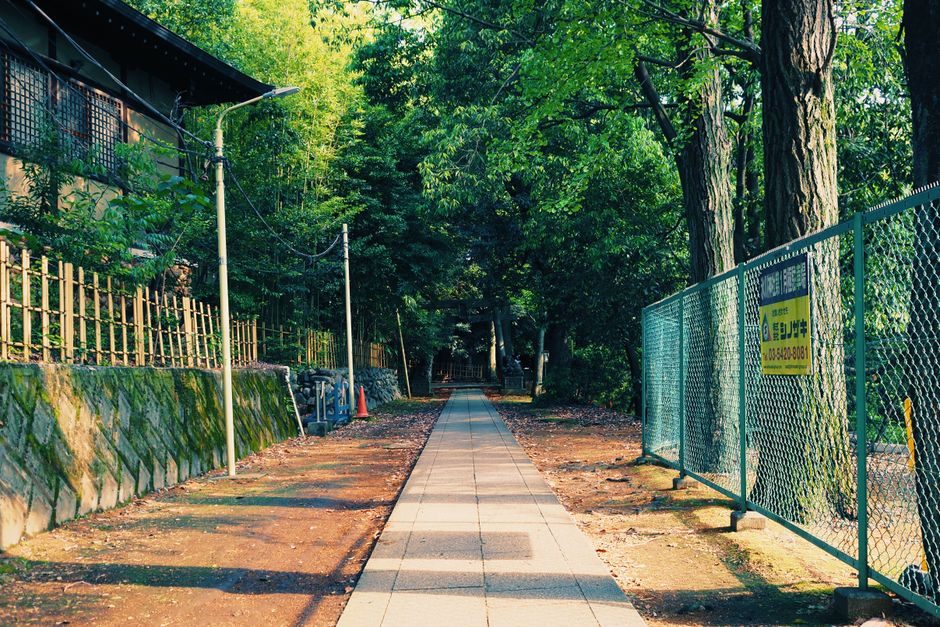
Put longer outdoor walks in the cooler parts of a hot day, and choose shaded routes when the sun is strong. In summer, an afternoon crossing an open plaza can feel much more demanding than the same walk under trees. Parks such as Shinjuku Gyoen offer green space, but visitors should still plan breaks and carry water.
Spring and autumn are often easier for exploring on foot, yet a change in wind or cloud cover can make a late outing feel colder than expected. If you are visiting an outdoor event or walking along the river, check the forecast close to departure. Keep an indoor alternative in mind for showers or uncomfortable heat.
Winter sunshine can make a daytime walk pleasant, but it does not remove the chill after dark. Plan evening activities with the return journey in mind, especially if you will wait outdoors for a bus or meet someone in an open area. A warm layer stored in a day bag gives you flexibility without changing the whole outfit.
- Schedule exposed walks for cooler hours in summer.
- Use shaded routes and take breaks during humid weather.
- Keep an indoor alternative for unsettled days.
- Bring an extra layer for evening plans.
Commuting in Wet Weather
Rain changes the pace of a Tokyo commute, even when trains continue running normally. Station entrances, stairways and busy sidewalks become slippery, and umbrellas take up space in crowded passages. Leave extra time to walk carefully, keep your umbrella close, and avoid rushing through a station transfer simply to catch an earlier train.
A wet-weather route may be easier if it uses covered station connections or underground passages, but these are not available for every journey. Check your route before leaving and expect the final walk to be exposed. On rainy days, shoes with a secure grip can be more useful than footwear chosen only for appearance.
Strong wind or heavy rain can affect transport more seriously than ordinary showers, so check operator updates as well as the weather forecast. If you have a fixed appointment, consider whether you can leave earlier or switch to a nearby indoor waiting place. Do not assume your usual travel time will hold in disruptive conditions.
What to Wear in Tokyo’s Changing Weather
Dress in Removable Layers
Layers make it easier to manage the contrast between outdoor weather and air-conditioned trains, shops and offices. A light shirt under a cardigan or thin jacket works well in spring and autumn, when a warm afternoon may turn cool after sunset. Choose pieces you can remove and carry rather than one heavy layer.
For winter, add a warm outer layer for mornings and evenings, then consider what you will do indoors. Many people spend parts of the day in heated buildings and on trains, so a coat that can be opened or taken off is practical. Gloves or a scarf can help during colder outdoor waits without adding bulk all day.
Summer calls for breathable, lightweight clothing and protection from direct sun. A hat, sunglasses or a loose overshirt can help on exposed walks, while an extra layer may be useful in chilly indoor spaces. If your day includes both outdoor sightseeing and long train rides, plan for both temperatures rather than dressing for only one.
| Choice | Best for | Consider |
|---|---|---|
| Light layers | Spring and autumn | Easy to remove indoors |
| Warm outer layer | Winter mornings and evenings | Open or remove on trains |
| Compact umbrella | Ordinary showers | Can be awkward in strong wind |
| Rain jacket | Wet commutes and walking | May feel warm in humidity |
Choose Shoes and Rain Gear
Comfortable shoes matter in Tokyo because many everyday journeys include station corridors, stairs and stretches of walking. On wet days, choose shoes that grip well and can handle damp sidewalks. If your footwear takes a long time to dry, avoid wearing it for a full day of walking when rain is forecast.
A compact umbrella is easy to carry and useful for ordinary showers, while a rain jacket keeps your hands free on a crowded commute. Neither choice suits every downpour: strong gusts can make an umbrella awkward, and a jacket may feel too warm in humid weather. Match your gear to the forecast and the route.
A small bag can hold a folded umbrella, a light layer and a spare pair of socks for a day with uncertain weather. Keep wet items separate from electronics and documents after arriving. For long walks, choose a bag that stays comfortable when carried over damp clothing, and avoid packing more than you can manage.
Tokyo’s rainy season, often called tsuyu, brings frequent rain and high humidity, so plan for damp conditions rather than expecting a downpour every day.
Rainy Season, Typhoons and Sudden Showers
Prepare for Rainy Season
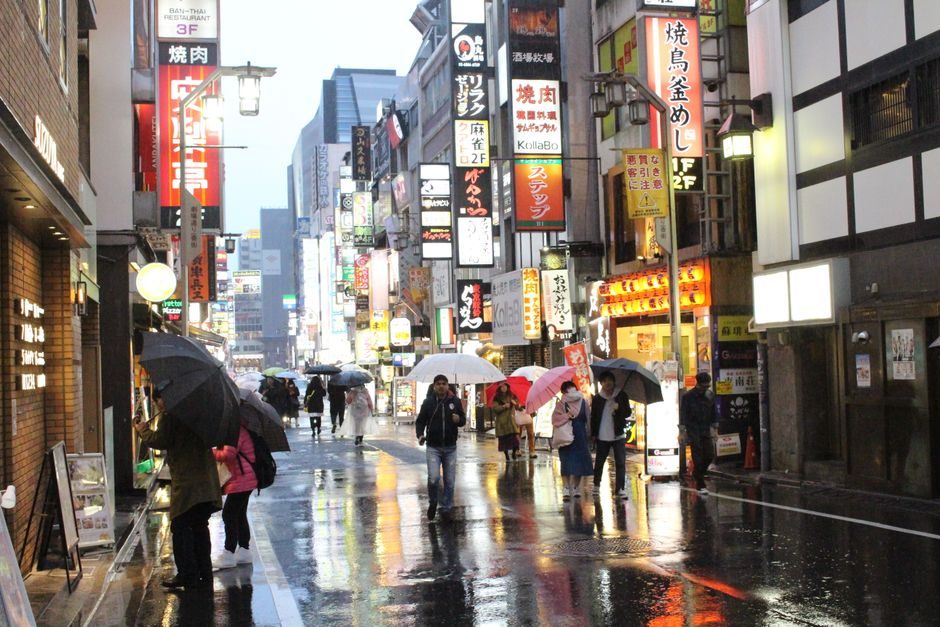
Tokyo’s rainy season, often called tsuyu, brings frequent rain and high humidity, so plan for damp conditions rather than expecting a downpour every day. A quick-drying outer layer and shoes that tolerate wet pavement help with routine errands. Keep a compact umbrella accessible instead of buried at the bottom of a bag.
- Check the local forecast before leaving.
- Pack an umbrella or rain jacket suited to the route.
- Choose footwear with grip for wet sidewalks.
- Move outdoor plans indoors if rain becomes persistent.
Rain can affect plans even when it is light: sidewalks become slick, outdoor seating is less comfortable, and umbrellas crowd narrow shopping streets. Check the forecast before heading to places such as Ameyoko or Nakamise-dori, where walking space can already be limited. If rain is persistent, choose an indoor stop and return outside when conditions improve.
Use the weather forecast to decide whether an outdoor plan needs a backup, not simply whether to cancel. A short shower may pass, while steady rain can make a long walk unpleasant. Look at expected rainfall and wind, then choose between carrying rain gear, changing the route or moving the activity indoors.
Respond to Typhoon Alerts
Typhoons can bring heavy rain and strong winds, so treat official warnings and transport updates seriously. Check information from the Japan Meteorological Agency and your rail operator before setting out, especially if you need to cross the city. Conditions can change, and a familiar route may become difficult or unavailable.
Secure loose items on balconies and avoid unnecessary trips during the strongest winds or heaviest rain. Do not walk beside rivers or through areas that local authorities have warned may flood. If you are in a hotel, workplace or other building, follow its staff guidance and use official local alerts for current instructions.
A sudden shower can also arrive without a major weather system, so keep plans adaptable on unsettled days. If thunder or intense rain begins, move into a safe indoor place rather than waiting under a tree or beside an exposed structure. Resume your journey when conditions ease and the route is safe.
Heat, Humidity and Staying Comfortable
Managing Hot Station Walks
In Tokyo’s humid summer, plan for the walk between a station and your destination, not just the time spent outdoors. Even a short stretch in direct sun can feel draining after a cool train ride. Choose routes with shade where possible, and pause in a station, shop or other public indoor space if you feel overheated.
Carry water and drink regularly rather than waiting until you feel thirsty. A small towel can help manage sweat, while a hat and breathable clothing make midday errands more comfortable. If you are visiting temples, parks or outdoor markets, check whether your route includes long exposed paths before setting out.
Keep demanding activity for the cooler parts of the day when schedules allow. Early morning is often more comfortable for a walk through a neighborhood, while an indoor museum or department store can provide a useful change of pace in the afternoon. Build in breaks, especially when traveling with children or older companions.
Finding Relief from Humidity
Humidity can make warm air feel heavier and leave clothing damp, even when the temperature does not seem extreme. Choose light layers that dry quickly, and avoid wearing a heavy bag tightly against your back for long walks. If you have a choice, use a ventilated route rather than a crowded, unshaded street.
Air-conditioned trains and buildings offer relief, but the change from outdoor heat can feel sharp. Keep a thin layer handy if you will spend extended time in a cool cinema, office or shopping complex. After returning outdoors, give yourself a moment to adjust before starting a brisk walk or climbing station stairs.
Watch how you feel, not only the forecast. Headache, unusual weakness, nausea or confusion can signal heat illness; stop activity, move somewhere cool and seek help if symptoms are serious or do not improve. Do not leave children, older adults or pets in a parked vehicle, even for a short errand.
Choosing Outdoor Plans Around the Forecast
Checking Conditions Before Leaving
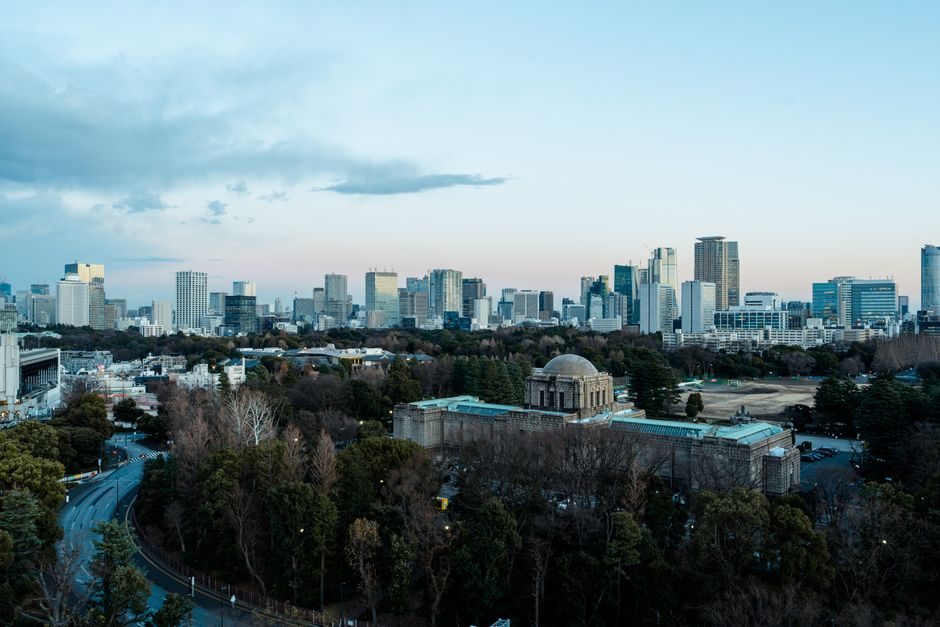
Check the hourly forecast before committing to an outdoor plan, because rain and cloud can change over the course of a Tokyo day. A general daily icon may not show whether a shower is expected during your commute or while you are in a park. Recheck before leaving, especially during unsettled or stormy weather.
Use the forecast alongside what you can see outside. Dark clouds, rising wind or distant thunder are reasons to shorten a riverside walk or move away from an exposed viewpoint. Weather apps are guidance, not a guarantee, so leave room to change direction rather than treating a planned schedule as fixed.
For a day around Ueno Park, the Imperial Palace grounds or a neighborhood festival, identify an indoor alternative before setting out. A nearby museum, station complex or covered shopping street can keep the day manageable if rain arrives. Check opening information separately, since weather protection does not mean every venue will be open.
- Check hourly rain timing before departure.
- Recheck the forecast if clouds build.
- Pick an indoor alternative near your destination.
- Allow extra time for a change of plan.
Planning for Wind and Storms
When strong wind or thunderstorms are forecast, favor flexible plans close to reliable transport and shelter. Open waterfront areas and broad parks can feel more exposed than streets lined with buildings. If thunder begins, leave open ground and move into a substantial building rather than sheltering beneath an isolated tree.
Typhoon-related weather can affect train operations as well as outdoor comfort. Check current railway and official weather updates before traveling, and allow extra time if you must cross the city. If authorities advise against nonessential travel, postpone the outing instead of relying on a timetable that may change.
Keep event plans adaptable during storm season, including outdoor sports, markets and festivals. Confirm any organizer’s latest notices before leaving, and avoid assuming that an event will proceed because it appeared on an earlier schedule. If conditions worsen, prioritize a safe route home over staying to see whether the weather clears.
How Tokyo Businesses Can Keep Visitors Informed
Making Weather Updates Clear
Tokyo businesses can reduce confusion by stating plainly how weather affects a visit: whether an outdoor area is closed, an event is delayed or normal service continues. Post updates where customers already look, such as the business’s official website or social account. Include the time of the update so readers can judge whether it is current.
- Posting an update without a time; add when it was checked so visitors can assess its freshness.
- Saying only that weather may affect service; state the specific change or confirm normal operations.
- Leaving old notices visible; replace or remove them when conditions and arrangements change.
Tokyo businesses looking for broader marketing support may find Seo Services useful when planning how to share practical updates with customers. Whatever channels a business uses, weather messages should give the immediate facts first, then explain any change to access, timing or service. Avoid vague notices that leave visitors unsure whether to travel.
For a venue near a busy station, clear directions can matter as much as the forecast. Explain which entrance remains available, whether an outdoor queue is affected and what visitors should do if rain begins. Keep wording consistent across channels, and remove outdated notices promptly once normal arrangements return.
Helping Visitors Prepare
Useful visitor guidance connects the forecast to the practical details of a visit. A museum, market or outdoor venue can explain whether guests should bring rainwear, expect sun exposure or check for event changes before traveling. Keep advice specific to the site rather than repeating general weather warnings.
If a business manages an outdoor queue or terrace, tell visitors where they can wait safely if rain or heat becomes uncomfortable. Make any limits clear, such as whether customers may bring umbrellas indoors or whether an exposed area will close during a storm. Staff should be able to give the same information in person.
Choose accessible wording for international visitors who may not know local weather terms or transport habits. A short notice can explain that heavy rain may affect outdoor activities while trains continue to run, but travelers should check operator updates during severe conditions. Give a reliable place to confirm changes rather than promising that plans will remain unaffected.
Everyday Habits for Weather-Ready City Life
Building a Useful Daily Routine
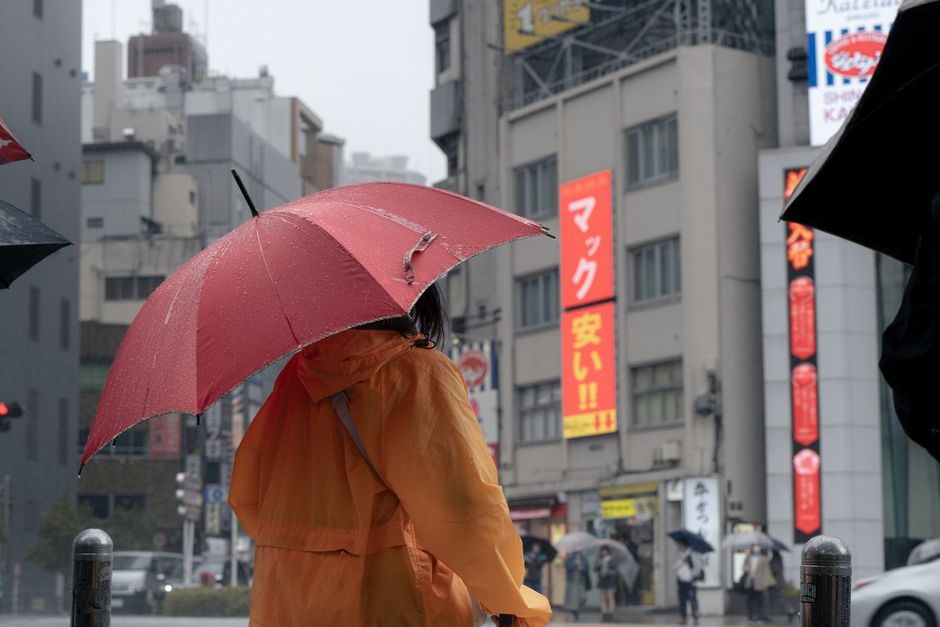
A quick forecast check before leaving home helps Tokyo residents choose an umbrella, an extra layer or a different route. Match the check to the day: look for rain timing before a long walk, and pay attention to heat and humidity before outdoor work. Recheck if the weather changes noticeably during the day.
Leicester Seo Services is aimed at businesses in Leicester, so Tokyo operators should treat it as an example of location-specific marketing support rather than a local provider. For daily city life, the useful habit is to keep practical information tied to the place and conditions people actually face, whether they are commuting or visiting a neighborhood venue.
Keep a compact rain layer or folding umbrella where it is easy to find, but avoid assuming it will be enough for every storm. On days with strong wind, an umbrella can be difficult to manage, so a hooded waterproof layer may work better. Store damp items carefully when you reach work or a public building.
Adjusting Routes and Expectations
Give yourself a little extra time when rain, heat or strong wind could slow the journey. Wet pavement can make station stairs and crowded crossings harder to navigate, while summer heat may call for a shaded route and a slower pace. A small buffer helps prevent a minor weather change from disrupting the whole day.
Notice which parts of your regular route offer shelter, shade and places to pause. Covered shopping streets can be more comfortable in rain, while a direct street with trees may feel cooler in summer. Choose the route that suits the day rather than assuming the shortest path is always the most practical.
Check local alerts when severe weather is expected, particularly if your plans depend on trains, outdoor events or school and work arrangements. Keep a backup destination in mind and let others know if your arrival time may change. These simple habits make it easier to respond calmly without treating every shower as an emergency.
Frequently asked questions
When is Tokyo most humid?Tokyo is especially humid during the summer, including the rainy season and the hotter weeks that follow. Warm, damp air can make walking feel more tiring than the temperature alone suggests. Wear breathable clothing, drink water regularly and plan strenuous outdoor activity for cooler hours when possible. Conditions vary from day to day, so check the forecast rather than relying only on the season.
Should I carry an umbrella every day in Tokyo?Not necessarily, but checking the forecast before leaving is a useful routine, particularly during the rainy season or unsettled weather. A folding umbrella is convenient for ordinary showers, while a hooded waterproof layer can be easier to use in strong wind. If a storm is forecast, follow current weather and transport updates instead of assuming an umbrella will make outdoor travel safe.
Can rain disrupt Tokyo trains?Ordinary rain does not automatically stop trains, but severe weather can affect services and change travel plans. During a typhoon or strong storm, check updates from the railway operator and official weather sources before setting out. Allow extra time and consider postponing nonessential travel if conditions are dangerous or authorities advise against going out.
What should I wear for Tokyo’s changeable spring weather?Use light layers that you can add or remove as the day warms or cools. A comfortable base layer and a thin jacket are practical for mornings and evenings, while a compact rain layer helps if showers are expected. Check the forecast before choosing shoes and outerwear, especially if your plans include a long walk or time outdoors.
Make the Forecast Part of Your Tokyo Routine
Tokyo weather affects more than clothing: heat can slow a walk, rain can change an outdoor plan, and severe conditions may alter transport. Check conditions close to departure, build a sheltered alternative into outings, and adjust your pace when humidity rises. For businesses, timely and specific notices help visitors understand what is open and how to arrive prepared.
Before your next commute or day out, check the hourly forecast and choose one practical backup, such as a covered route or nearby indoor stop. Keep water and weather-appropriate layers accessible, then recheck official updates if wind or storms intensify. A few minutes of preparation can make everyday movement around Tokyo more comfortable and help you change plans safely.
Add Tokyo City News as a preferred source on Google


