
What Are Some Festivals in Tokyo? A Practical Guide
Explore Tokyo festivals from Asakusa’s Sanja Matsuri to neighborhood events, with seasonal pointers, local customs and practical advice for managing crowds.

Tokyo’s best-known festivals include Sanja Matsuri in Asakusa, Kanda Matsuri around Kanda Myojin, and the Sumida River fireworks display. They range from shrine processions to large public celebrations, while neighborhood events offer a more local feel. Their schedules vary, so check current event information before planning a visit.
Festivals are part of everyday neighborhood life as well as major public spectacles. Shrine communities, shopping streets and local organizations help shape each event, so the atmosphere and customs differ from one district to another.
Expect busy streets and altered access around popular venues, especially during processions and evening events. Plan your route, follow staff instructions, and be considerate around shrines, residents and festival participants.
- Tokyo’s major festivals include Sanja Matsuri in Asakusa, Kanda Matsuri and the Sumida River fireworks display.
- Seasonal patterns can help with planning, but confirm current dates, routes and access details.
- Follow procession guidance, keep paths clear and plan how you will leave crowded areas.
- Local shrine and shopping-street events offer a closer look at neighborhood life.
How Tokyo’s festivals bring neighborhoods together
Local ties behind the celebrations
Tokyo festivals often grow from neighborhood connections rather than from a single stage or attraction. Shrine communities, local associations and nearby businesses may help prepare processions, stalls or performances. For visitors, that means an event can reveal how a district gathers and works together, not just provide something to watch.
At a shrine festival, portable shrines called mikoshi may be carried through surrounding streets by groups of participants. The procession links the shrine with the neighborhood and can bring crowds close to the route. Visitors should watch from the side, leave room for carriers and avoid stepping into the procession.
Visitors arranging an outing from abroad can check bugünkü döviz kurları while estimating what their Tokyo plans may cost. The festival itself is usually easiest to enjoy on foot, but nearby stations and streets can become crowded. Agree on a meeting point with companions before entering the busiest area.
Respectful ways to join in
A respectful visitor can enjoy a festival without taking part in its rituals. Keep a clear path for participants, follow signs and staff directions, and ask before photographing people at close range. At shrine grounds, observe how local visitors behave and avoid treating active ceremonies as staged entertainment.
Food stalls and performance areas can make a festival feel informal, but they still sit within a working neighborhood. Dispose of rubbish in designated bins or take it with you if none are available. Keep voices and movement considerate near homes, shop entrances and places of worship.
The best viewing position is often just outside the densest crowd, where you can see the event without blocking others. If you arrive with children or someone who needs extra space, choose a less congested edge and decide in advance when to leave. Crowd density can change quickly as a procession passes.
- Leave procession routes clear.
- Follow posted signs and staff instructions.
- Ask before taking close-up photos.
- Take rubbish with you when needed.
When to find festivals throughout the year
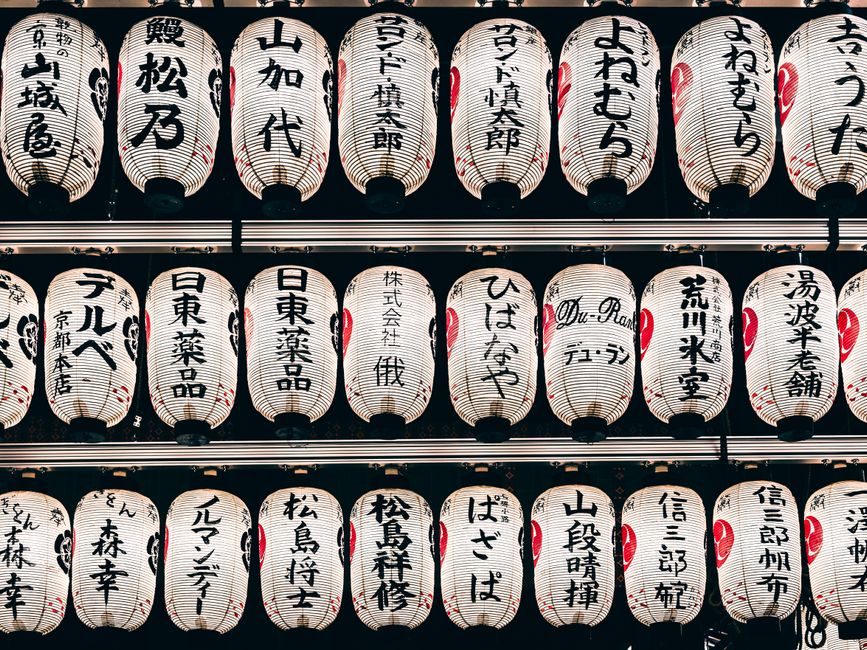
Seasonal patterns to expect
Tokyo’s festival calendar changes with the seasons, and warm-weather months bring many outdoor events. Summer is associated with shrine festivities, traditional dancing and fireworks, while spring and autumn also bring local celebrations. These are broad patterns, not guarantees: check an event’s current schedule before making a special trip.
If you are setting a spending limit before heading out, a döviz kurları çevirici can help compare expenses in your home currency. A festival visit may involve transport, food or other incidental costs, so set a limit that suits your plans. Crowds can also affect how long it takes to reach nearby stations.
Weather matters for open-air events, particularly processions and fireworks displays. Check the forecast and event updates on the day, since rain or other conditions can affect arrangements. Comfortable shoes, water and a light layer can make a long wait easier, but follow any event-specific guidance.
Checking dates and access
Start with the event organizer, shrine or venue’s current announcements rather than relying on an old calendar listing. Confirm the event dates, hours, route and any access notices; a festival may have several activities spread across different days. This simple check helps prevent arriving after a procession or viewing area has closed.
For a popular event, identify the nearest station and an alternative route before leaving. The closest exit may be crowded, and temporary pedestrian controls can change the most convenient approach. Follow station staff and posted directions instead of trying to push through a busy entrance.
Choose whether to arrive early for a viewing spot or later for a shorter visit, depending on the event and your priorities. Fireworks displays draw people toward riverbanks and other open viewing areas, while processions move through streets. Keep enough time for the return journey, when many attendees may leave together.
- Confirm dates and event hours.
- Check for route or access updates.
- Choose a station and backup route.
- Plan how you will leave.
Major festivals and what makes them distinctive
Asakusa and Kanda traditions
Sanja Matsuri is closely associated with Asakusa and the area around Sensō-ji and Asakusa Shrine. Its processions and mikoshi give the celebration a strong neighborhood character, while busy streets draw spectators from across Tokyo. Check the current route and crowd guidance before choosing where to watch.
Kanda Matsuri is linked with Kanda Myojin and central Tokyo neighborhoods. Its processions offer a different setting from Asakusa’s compact streets, connecting shrine tradition with the surrounding city. The festival’s schedule and scale can vary, so consult current information rather than assuming every event follows the same pattern.
Both festivals are rooted in shrine life, but their routes, surroundings and crowd experience are distinct. Asakusa’s visitor destinations sit close to its festival activity, whereas Kanda’s urban setting places processions among busy central streets. In either case, arrive with a route plan and leave space for local participants.
| Festival | Main setting | What stands out |
|---|---|---|
| Sanja Matsuri | Asakusa | Shrine processions and mikoshi |
| Kanda Matsuri | Kanda and central Tokyo | Shrine-linked processions |
| Sumida River fireworks | Along the Sumida River | Public fireworks viewing |
Fireworks over the Sumida
The Sumida River fireworks display is a major summer event, distinct from shrine festivals because the main attraction is a coordinated display viewed from public areas. Spectators gather near the river, and popular viewing spots can become very crowded. Check current event information for viewing arrangements and any restrictions.
A fireworks visit calls for a different plan from following a procession. Choose a viewing area and a station approach in advance, then allow time for walking and crowd controls. Avoid stopping on bridges or blocking narrow paths, and follow instructions from staff and police throughout the event.
The end of the display can be as busy as the start because many people leave at once. Agree on a meeting point that is not directly beside a station entrance, and keep your group together while moving with the crowd. If the area feels too packed, prioritize a safe exit over a perfect view.
- Check current viewing arrangements.
- Pick a route before arriving.
- Keep bridges and paths clear.
- Set a meeting point away from station entrances.
Smaller festivals can be found around shopping streets, local shrines and community spaces across Tokyo.
Neighborhood events beyond the biggest names
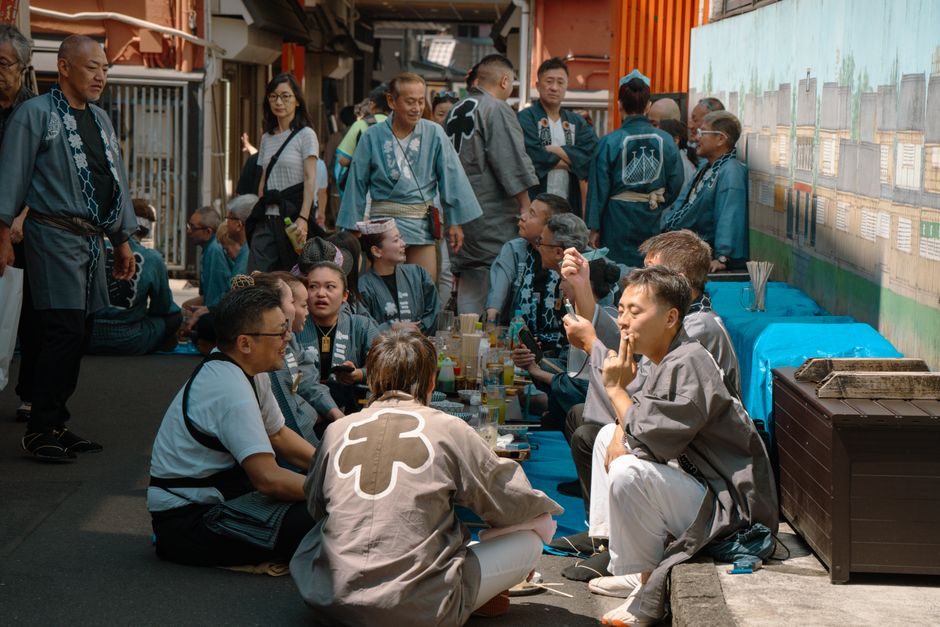
Shopping streets and local gatherings
Smaller festivals can be found around shopping streets, local shrines and community spaces across Tokyo. They may feature food stalls, music, dancing or activities organized for residents, with a less monumental feel than the city’s best-known events. Look for notices from local associations or ward information channels to find current listings.
- Check local notices for current event details.
- Confirm whether visitors may join activities.
- Plan a station route and meeting point.
- Keep walkways and shop entrances clear.
These gatherings are useful for seeing daily neighborhood life alongside a celebration. Shops may stay open, change their usual service or face heavier foot traffic, while nearby residents still need access to their homes. Keep entrances clear and be patient when walking through a crowded shopping street.
A local event can be a good choice if you want a shorter visit or an atmosphere closer to the neighborhood. Check whether activities are open to visitors and whether there are any participation rules. If details are limited, treat the event as a public gathering to observe respectfully rather than assuming every activity is for everyone.
Finding events near home
Residents can find neighborhood festivals through ward announcements, community-center notices and local shopping street updates. These sources are more likely to reflect current arrangements than old event roundups. Check for timing, location and any changes to nearby roads or public spaces before setting out.
If you live near an event area, expect temporary changes to foot traffic and, at times, vehicle access. A familiar walk may take longer when stalls or spectators occupy the street. When possible, use another route for errands and give organizers room to set up or clear the area.
Visitors can pair a neighborhood event with nearby places they already plan to visit, but should avoid crowding residential lanes just to take photographs. Ask before entering private or restricted areas, and follow any posted photography guidance. A quieter viewing spot can offer a better sense of the event without adding pressure to the busiest streets.
- Use current ward and community notices.
- Check for street or access changes.
- Choose a route that avoids residential bottlenecks.
- Follow photography and entry guidance.
What to know about festival customs
Respect shrine and procession spaces
At shrine festivals, follow the lead of people around you and keep clear of sacred areas and procession routes. A mikoshi, the portable shrine carried through the streets, is part of a religious observance, not a prop to touch or block for a photograph. Watch from the side unless organizers clearly invite visitors to join.
At a shrine entrance, visitors commonly bow before passing through the torii gate, then keep to one side of the main approach where possible. If you choose to pray, observe how others use the water basin and worship area rather than holding up a line. Customs can vary between shrines, so posted signs and local guidance take priority.
A common misconception is that festival processions are simply street entertainment open to anyone to join. In fact, participation may be reserved for local groups or people following instructions from organizers. For a quick reference when planning a day out, 1 dolar kaç TL can help an overseas visitor understand an approximate conversion.
Eat and dispose thoughtfully
Festival stalls make it easy to eat while browsing, but look for a spot where you can stop without blocking foot traffic. Some events provide seating or designated eating areas; others have little room to pause. Follow signs and staff directions, especially near busy stall rows and narrow approaches to shrines.
Public rubbish bins may be limited at crowded events, so be prepared to carry packaging until you find an appropriate disposal point. Separate waste if the event provides labeled bins, and do not leave cups or skewers beside a stall. Keeping walkways clean helps residents, vendors, and other visitors share the event comfortably.
Photography is usually easiest when you stay out of the way and avoid aiming a camera into private spaces or directly at people who are praying. Check for signs restricting photos, particularly inside shrine buildings or during ceremonies. If a procession pauses nearby, leave room for participants and follow any requests from event staff.
Plan your visit around crowds and transport
Choose a meeting point early
Agree on a meeting point before entering a crowded festival area, because mobile reception and walking speeds can vary in packed streets. Pick a clearly identifiable public landmark outside the tightest part of the event, rather than a stall or temporary entrance. If your group separates, return there instead of trying to find one another in the crowd.
- Mistake: Choosing a meeting point inside the densest crowd; better: agree on a clear landmark outside it.
- Mistake: Assuming the nearest station entrance will be open; better: check operator updates and identify an alternative.
- Mistake: Rushing straight to the platform after the event; better: allow time for managed exits and queues.
Check the event’s official information and railway operator updates before setting out, especially for street closures, station access changes, or recommended exits. A station that looks closest on a map may be inconvenient when the usual entrance is closed. Save the route details on your phone and note a second station you could use.
Leave extra time for the final walk from the station, since pedestrian routes may be managed one-way or diverted around the event. Follow temporary signs and staff instructions instead of cutting through residential streets or pushing against the flow. After the festival, consider waiting briefly in a less crowded area before entering a busy station.
Pick the right arrival time
Arriving earlier can make it easier to browse stalls and find a comfortable viewing spot before the busiest period. For a procession or performance, check its published schedule and plan to reach the route well ahead of the stated start. The schedule can change, so confirm details on the organizer’s current notices before leaving.
If you mainly want to experience the atmosphere, you do not need to stay from opening until closing. Choose one main activity, such as watching a parade or visiting a shrine, then leave time for food and a break. A shorter visit can be more enjoyable than trying to see everything in a tightly packed area.
Families, older visitors, and anyone who needs step-free access should review venue guidance in advance and ask staff about suitable routes. Crowds can make stairs, crossings, and narrow sidewalks slower to use. If the area becomes uncomfortable, move away from the procession route and take a pause at a quieter place nearby.
Make a simple budget for a festival day
Set aside food and travel money
Decide before you leave how much you are comfortable spending on transport, food, and small purchases. Festival stalls offer tempting snacks and drinks, and buying several items can add up even without a ticketed attraction. Check whether the event itself has an admission charge, rather than assuming every festival is free to enter.
- Plan separately for travel, food, and any paid activities.
- Bring a payment option that suits the vendors you expect to visit.
- Leave a little room in your plan for an unexpected cost.
Carry a payment method that works for your plans, and keep some cash available in case a stall cannot accept electronic payment. Do not assume that every vendor takes the same forms of payment. If you are visiting from abroad, check conversion and card fees through your usual provider before relying on a particular payment option.
A simple plan can prevent a long search for an ATM when crowds are thick. Set a food allowance, choose a transport option that suits your route, and leave a small margin for an unplanned expense. Keep valuables secure and avoid counting cash in the middle of a busy walkway.
Know what may cost extra
Some neighborhood festivals are free to enter, while particular performances, viewing areas, or activities may have separate conditions or fees. Read the event information closely so you know what is included before travelling. If details are unclear, check with the organizer rather than relying on old posts or assumptions from another year.
Food and drink prices vary by vendor, and portions or menus can differ from one stall to the next. Look at displayed prices before ordering, especially if you are buying for a group. Bring a reusable bottle where practical, but follow event rules about containers and use public facilities responsibly.
A festival day may also involve costs that are easy to overlook, such as a longer rail journey after a service change or a taxi if you miss the last convenient train. Check your route and return options before you go. If your plans depend on a timed performance, leave enough flexibility for queues and walking.
Practical tips for enjoying the experience
Pack for weather and walking
Wear comfortable shoes and clothing suited to the forecast, since festival visits often involve standing and walking on crowded streets. Check Tokyo’s weather before leaving and bring rain protection when needed. In hot weather, take breaks in shade and drink water; if conditions feel unsafe, shorten the visit and move to a cooler place.
A small bag is easier to manage than bulky luggage in a packed neighborhood. Bring essentials such as a charged phone, any medication you need, and a portable battery if you rely on digital maps or transport information. Keep your hands free where possible, especially when walking through narrow lanes or boarding crowded trains.
If you are attending with children, agree on what to do if someone gets separated and identify staff or an information point. Put a contact number somewhere the child can access, and choose a visible meeting spot. For anyone with mobility needs, check venue access information and avoid assuming temporary routes will match everyday station access.
Stay flexible and considerate
Treat the event schedule as a guide rather than a promise that every activity will begin exactly on time. Weather, crowd management, and local arrangements can affect what is possible, so check for updates and be ready to change plans. Pick one or two priorities, then enjoy whatever else is accessible without forcing your way through.
Follow barriers, temporary signs, and instructions from staff, even when a shortcut looks open. These measures can protect procession participants and keep emergency access clear. If a route is crowded, step aside and wait for a safe moment instead of stopping suddenly to take a picture or turning against the flow.
Before leaving, check the latest train information and make sure everyone in your group knows the plan. Keep noise down as you walk through residential streets after the event, and take rubbish with you until you find a suitable bin. A little consideration helps festivals remain welcome parts of neighborhood life.
Frequently asked questions
Are Tokyo festivals suitable for children?Many festivals welcome families, but the experience depends on the venue, crowd size, and schedule. Check the organizer’s guidance for accessible routes, facilities, and any family-specific arrangements before travelling. Agree on a meeting point in case your group gets separated, and consider visiting earlier or leaving before the busiest period if children find dense crowds tiring.
Do I need to wear traditional clothing?No special clothing is generally required for visitors attending a festival as spectators. Wear comfortable footwear and clothes suitable for the weather, since you may be standing or walking for a long time. If you choose to wear traditional clothing, make sure it is practical for the route and crowd, and follow the same guidance on shrine spaces and photography.
Can I bring my own food and drinks?Rules differ between events, so check the organizer’s information before bringing food or drinks. Some venues may have restrictions, while others have stalls and designated places to eat. Whatever you bring, avoid eating in the middle of a busy path, use rubbish facilities properly, and take packaging with you if bins are not available.
How can I find out whether a festival is happening?Look for current information from the event organizer, the relevant shrine or neighborhood association, and local transport operators when route changes are possible. Dates and arrangements can vary from year to year, so do not rely only on an old listing or a previous visit. Confirm the schedule close to the day and check weather or access updates before setting out.
Enjoy Tokyo’s festivals with a local’s eye
Tokyo festivals range from shrine ceremonies and lively processions to neighborhood gatherings, each with its own pace and customs. Choose an event that fits your interests, check current details, and plan how you will reach and leave the area. Respecting shrine spaces, keeping walkways clear, and preparing for crowds will help you enjoy the occasion while sharing it considerately with local residents.
For your next outing, start with one festival in a neighborhood you would like to explore, then confirm its schedule and transport arrangements through current local information. Set a simple spending plan, wear shoes suited to walking, and agree on a meeting point if you are going with others. Leave room to adjust your plans: an unhurried visit often reveals more than trying to see everything.
Add Tokyo City News as a preferred source on Google


