
What to know before reading Espooseen keskittyvä uutisportaali: a buyer’s guide
A practical, reader-focused guide to evaluating Espooseen keskittyvä uutisportaali for news consumers: credibility, coverage, tools and pitfalls.

Readers seek clear, reliable information about a regional news portal. This guide explains what to expect from Espooseen keskittyvä uutisportaali, how to assess its coverage, and what questions to ask as a reader. You’ll learn to distinguish solid reporting from opinion, clarify scope, and locate useful features for staying informed.
The guide also shows practical steps for evaluating sources, reading news critically, and comparing coverage with other outlets. It avoids jargon and focuses on concrete examples readers can apply right away. By the end you’ll have a straightforward checklist to judge the portal’s usefulness for current events.
Expect plain language and actionable tips that help you decide when this portal meets your information needs and where to look for corroboration if something feels off.
- Assess the portal’s scope and update cadence. Verify claims with named sources and official documents.
- Use multiple outlets to corroborate breaking news and watch for corrections.
- Look for readable, well-structured pages and explainers that add context to events.
- Engage with the portal’s tools for staying informed, and rotate to alternative trusted outlets when needed.
- What the portal covers and how it frames news
- How to verify accuracy while reading
- What features aid quick, reliable reads
- How Espooseen keskittyvä uutisportaali handles corrections
- Comparing Espooseen keskittyvä uutisportaali with peers
- Engagement tools and reader feedback mechanisms
- What readers should do next to stay informed
- Frequently asked questions
- Staying informed with clear signals
What the portal covers and how it frames news
Scope and focus
The first priority is to understand the portal’s coverage area, topics, and timeliness. Look for clear sections, labeled issues, and evident updates during breaking events. A broad but well-defined scope helps you assess whether it meets your information needs.
- Relying on a single article for a big event; seek multiple sources
- Assuming bias from absence of opinion pieces; verify with other outlets
- Ignoring dates or updates; prioritize current, corrected information
In practice, check if the site covers local politics, economy, public safety, and culture with separate, clearly named sections. Note how quickly stories appear after events and whether follow-ups are published. This helps you gauge reliability and cadence.
If you see repeated gaps in coverage or vague topic labels, treat it as a warning sign and seek corroboration elsewhere.
- Identify main sections (local, national, breaking)
- Check timestamp freshness
- Observe follow-up reporting
- Note consistency across topics
Evidence and sources
Credible reporting shows sources, data, and direct statements. Prefer articles that name officials, public records, or verifiable datasets. Absence of sourcing should prompt skepticism about reliability.
Look for objectivity signals: balanced framing, attribution to credible sources, and transparent corrections. If a claim lacks evidence, it’s reasonable to pause and seek corroboration.
Trust grows when the portal links to documents or official accounts. If you can’t find sources, treat the story as preliminary and monitor for updates.
- Sourcing details in quotes or paraphrase
- Public records and official statements cited
- Data or documents referenced
- Corrections or updates clearly posted
How to verify accuracy while reading
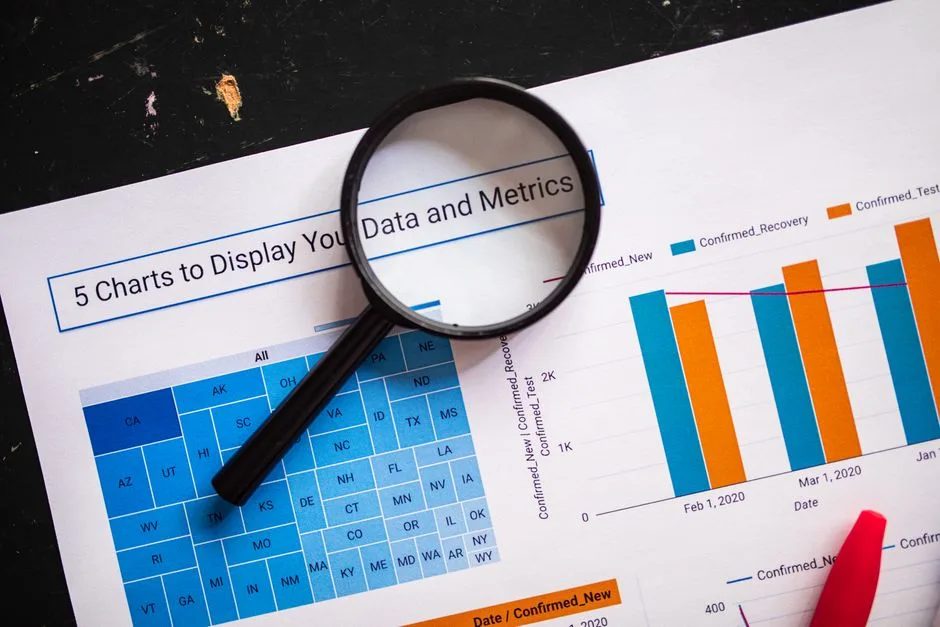
Cross-checking basics
Cross-checking is a practical habit. Start with the headline and confirm whether the body supports it with specifics. Look for at least two independent corroborating sources when possible.
Compare how different outlets describe the same event to spot discrepancies in detail or emphasis. If one piece lacks essential facts, pause and recheck.
Use technical terms or numbers as a cue to verify; misused figures signal a need for deeper sourcing.
- Compare multiple reports on the same event
- Check timestamps and updates
- Verify numbers and quotes
- Watch for selective framing
What features aid quick, reliable reads
Useful tools and layout
A clean layout with a clear byline, publish and update times, and a FAQ or glossary helps readers orient quickly. These features reduce cognitive load during fast-moving news cycles.
- Overlooking updates and corrections
- Missing author or source names
- Ignoring explainer links
Look for a dedicated corrections or clarifications page and easy access to related articles. A portal that surfaces context alongside breaking news supports informed reading.
Effective portals presentRelated stories and explainers that connect events to background information, helping readers understand why it matters.
- Byline and timestamps visible
- Corrections page present
- Contextual links offered
- Related explainers available
| Portal A | Portal B | Portal C |
|---|---|---|
| Similar coverage depth | Wider context | Specialized beats |
| Clear sourcing | Mixed quality | Strong data corroboration |
| Accessible explanations | Longer read times | Shorter summaries |
Reading for biases and balance
No outlet is perfectly neutral, but readers can detect bias by checking tone and framing. Compare quotes, data sources, and what’s emphasized across stories about the same topic.
Notice if editorial opinion appears in news stories or if opinion content is clearly separated. Separate coverage from commentary improves trust.
If you detect heavy framing or selective quoting, consult additional outlets to form a balanced view.
- Tone and language cues
- Separation of opinion and news
- Sourcing and attribution clarity
Corrections are announced clearly and promptly when a factual error is identified.
How Espooseen keskittyvä uutisportaali handles corrections

Correction philosophy and process
Corrections are announced clearly and promptly when a factual error is identified. The portal explains what was wrong and what has been updated, so readers can track a change over time. This transparency helps maintain trust during breaking news cycles.
The editorial team assigns a responsible editor to review each correction, ensuring consistency across articles. Readers get a brief note appended to the original piece or a separate update near the top of the article.
Corrections are marked with a timestamp and a short rationale, avoiding vague language. This practice reduces confusion and shows accountability to the audience.
- Clarify the error
- State the fix
- Show when it happened
- Provide access to the updated version
- Invite further feedback
Comparing Espooseen keskittyvä uutisportaali with peers
How it stacks up against similar portals
Readers benefit when a portal distinguishes itself by accuracy, speed, and context. Espooseen keskittyvä uutisportaali emphasizes transparent sourcing and concise explanations alongside breaking updates. These elements help readers decide what to trust during fast-moving events.
Peer portals may rely more on wire services or social feeds; the result can be speed at the expense of depth. By comparing sourcing practices and visible corrections, readers gain a clearer sense of reliability.
In practice, a reader should look for a visible corrections log, clear attribution, and a baseline for how quickly updates appear after new information becomes available. Such signals help gauge newsroom discipline without needing inside knowledge.
- Visible corrections log
- Clear attribution
- Rapid updates with context
- Dedicated editors overseeing coverage
- Quality signals beyond first reports
Engagement tools and reader feedback mechanisms
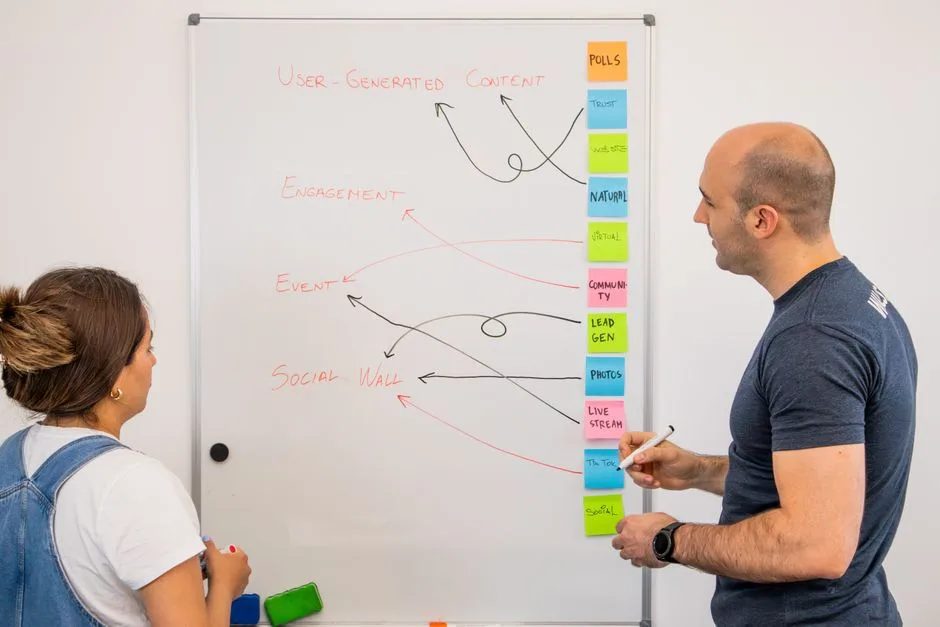
Ways readers can participate
Engagement tools include comments, surveys, and reader questions that influence follow-up reporting. The portal explains how feedback is moderated to protect accuracy and civility. This approach helps newsrooms calibrate coverage to audience needs without sacrificing standards.
Active participation is most effective when readers submit specific questions or data citations. This kind of input can prompt deeper investigations or clarifications in subsequent updates.
Moderation policies are usually visible in a dedicated page or footer note, outlining what kinds of feedback are welcome and how conflicts are resolved. Readers should understand these guidelines to participate responsibly.
- Comment moderation rules
- Reader questions field
- Polls and surveys
- Data submission channel
- Follow-up reporting prompts
What readers should do next to stay informed
Practical steps for staying informed
Begin with a simple daily briefing schedule that includes a quick scan of the portal for latest updates. Prioritize pieces that include visible sourcing and date marks to assess recency and reliability. This habit keeps readers ahead during urgent developments.
- ☐ Identify trusted sources
- ☐ Note publication dates
- ☐ Cross-check facts with a second outlet
- ☐ Avoid sharing before verification
Cross-check major stories with a second, established outlet to confirm key facts before sharing. This reduces the spread of unverified information within your network.
Set up topic-focused alerts for areas you follow, so you don’t miss essential updates as events unfold. Alerts help maintain a steady, trustworthy information flow without overwhelming you.
- Daily briefing scan
- Source verification before sharing
- Topic alerts for key areas
- Keep a credibility checklist
Frequently asked questions
How does the portal handle retractions?When a retraction is necessary, the portal flags the article, publishes a clear correction note, and explains what was corrected. The original piece remains accessible with a visible amendment timestamp so readers can see the historical record. This helps preserve accountability while maintaining continuity in reporting.
What makes Espooseen keskittyvä uutisportaali different from other news sites?The site emphasizes transparent corrections, visible sourcing practices, and reader input mechanisms as core elements of coverage. The design encourages readers to verify information and participate in the conversation without compromising standards. These signals aim to build trust during fast-moving events.
Can I rely on the portal for breaking news accuracy?Yes, but always look for visible sourcing, timestamps, and any corrections. In fast-moving moments, use multiple reputable outlets to triangulate initial reports and confirm critical details before acting on them.
How can I participate without compromising accuracy?Ask precise questions, cite public sources, and avoid sharing claims that haven’t been independently verified. Use official statements or documented data when possible, and follow the site’s moderation guidelines to keep discussions productive.
Staying informed with clear signals
The reader should adopt a steady, critical approach: verify sources, watch for corrections, and use reader feedback features to refine what you need to know. This builds a reliable information footing during crises.
Next, integrate a simple habit: check a variety of outlets for major stories and compare how they frame the event. This habit reduces bias and strengthens your understanding of what happened and why it matters.
Readers interested in this subject may also want to explore Practical guide to Espoon kaupunginosat verkossa for additional perspectives.
For a deeper understanding of this topic, What Arkea Espoossa offers: a clear offers valuable insights worth exploring.
If you enjoyed this article, we recommend checking out Clear guide to Ajankohtaista Espoonlahdesta for for further reading.
Add Tokyo City News as a preferred source on Google


