
How to submit an event in the USA: a clear, practical guide
A practical explainer for readers: what submitting an event in the USA entails, when to do it, and practical steps to ensure it’s noticed by newsrooms and commu

If you want coverage for a local event, knowing how to submit it properly matters. This guide explains what submitting an event in the USA involves, who can submit, and the steps you should take to be considered by newsrooms and community calendars.
You’ll learn where to find the right channels, what information to include, and how timing affects visibility. The aim is to give readers a clear path from draft to published notice, with concrete steps and common pitfalls to avoid.
By the end, you’ll have a straightforward checklist for preparing submissions that stand a better chance of being picked up by reporters and editors.
- Submit events through official calendars first, then media portals. Provide clear basic details and a reliable media contact. Follow deadlines, then verify receipt and adjust if needed.
- Craft concise, neutral copy that editors can drop into a calendar or brief. Attach high-quality visuals when possible and limit links to official sources.
- Timing matters: submit early, explain urgency, and follow up. Editors value relevance, proximity, and practical reader value.
- This explainer covers how to prepare and where to submit, with actionable steps and practical checks for reliable event coverage.
Basics of event submissions
Who can submit events
Most submissions come from organizers, partners, or community groups, but individual residents can also submit. Start with the official channel, then consider outreach to local media outlets for broader reach. Prepare to provide contact details and a short description that matches the event’s purpose. submit an event in the USA is the starting point for community coverage.
- Submitting without a contact person; include one
- Overloading with irrelevant details; keep the focus
- Forgetting the event time and location; be precise
This section helps readers identify the right submitter and reduces back-and-forth with editors. It also clarifies expectations about response times and what counts as relevant information.
Editors appreciate concise context: who, what, where, when, why, and how it will be promoted or covered.
- Identify the main organizer
- Provide a contact email
- Include a one-sentence purpose
- Offer media-friendly details
- Attach a brief printable summary
Where to submit
Start with official town or city calendars, then regional newspapers and TV stations. Many outlets also accept submissions via email forms or public relations portals. If there’s a deadline, note it and follow up before it passes.
This guidance helps readers choose the right venue for maximum exposure and avoids late submissions. It also emphasizes the value of targeting outlets that serve your community.
Submitting to the wrong channel wastes time and increases the chance of being overlooked.
- Use official calendars first
- Check deadlines
- Follow submission formats
- Keep a backup contact
- Respect local newsroom timelines
How to craft the submission

Essential details to include
Provide the event title, date, time, and location with full address. Add a concise description, expected attendees, and whether admission is free. Include a media contact and a short boilerplate about the organizer. latest car industry news accompanies broader business events in regional calendars to widen context.
Readers benefit from a clear, skimmable summary that editors can drop into a calendar or event list. It also reduces back-and-forth questions.
Avoid jargon and keep the tone neutral and informative to fit newsroom standards.
- Event title and date
- Location with full address
- Key details and accessibility info
- Media contact
- Boilerplate about organizer
Attachments and links
Attach or link to a one-page fact sheet, high-resolution photos, and a short video if available. Ensure all files are accessible and clearly labeled. Limit links to official sites or primary sources to reduce confusion.
This helps editors quickly verify facts and add visual elements to posts. It also minimizes the risk of broken links or misinterpreted information.
Be mindful of file sizes and accessibility standards to avoid delays.
- High-res logo or image
- One-page fact sheet
- Official event page
- Accessible formats
- Limit to primary sources
Timing and follow-up
Best timing for submissions
Submit well in advance when possible; editors plan calendars weeks ahead. If a deadline is tight, provide a brief note explaining urgency and potential impact. Follow up after submission to confirm receipt and clarify next steps. promote your business in the USA can align with community events that attract local attention.
- ☐ Submitting at the last minute; rushes editors
- ☐ Ignoring confirmation replies; lose track
- ☐ Missing essential details; causes delays
This section gives readers a practical window for action and reduces the chance of missed coverage. It also teaches how to communicate urgency without pressuring editors.
Timing can influence whether an event is included in a daily beat or a weekly calendar.
- Submit early when possible
- Explain urgency concisely
- Follow up on receipt
- Clarify expected coverage
| Channel | Pros | Cons |
|---|---|---|
| Official calendars | Direct exposure; trusted source | May have strict formats; slower responses |
| Regional outlets | Better local reach | May have many submissions; competition |
| PR portals | Structured data; easy to parse | Not all outlets accept them |
What editors look for
Editors scan for relevance, geographic proximity, and public interest. They favor events with clear impact on the community and practical details readers can act on. A well-structured submission helps editors decide quickly what to include. Expect editors to compare your event to others in the same time window.
This section translates newsroom priorities into a practical submission approach for readers. It also explains why some events get coverage while others don’t.
Keep the submission focused on why the event matters locally and what readers can do to participate.
- Local relevance
- Clear impact
- Practical details
- Actionable participation info
Cross-check with organizers if possible, and keep a record of the confirmation.
Sources and credibility checks

Verifying the venue audience
Confirm the venue and audience before submitting. Check official calendars, event pages, and local listings to ensure the dates and times match public records. This reduces the risk of misinforming readers and helps editors confirm accuracy. second-hand items for sale in the USA listings often rely on straightforward date and venue details to gain visibility
Cross-check with organizers if possible, and keep a record of the confirmation. If a detail changes, update promptly to avoid broken listings. A clear trail improves credibility and can prevent later corrections.
When in doubt, favor official sources over acquaintances or anecdotal reports. Document where you found each fact so editors can verify quickly. The goal is to present verifiable information that stands up under scrutiny.
- Confirm venue name and city
- Match date and start time to official pages
- Note any changes or caveats
- Record source for each fact
Cross-checking event status
Many events change status after initial submission. A quick check of the organizer’s social channels and official press releases can reveal cancellations or reschedulings. This prevents readers from missing the event or showing up to a closed venue.
Keep an eye on ticketing pages for status updates, which often reflect changes before broader listings. Including a note about status helps readers plan around potential delays or alternates.
Document the last status check and the date you verified it so the article stays current if readers revisit later.
- Look for official announcements
- Track ticketing status pages
- Include a status note in the listing
- Record verification date
Digital footprints and privacy
Protecting submitter identity
When you submit an event, limit personal details to what is necessary for the listing. Use a shared newsroom email or a generic contact form if possible. This keeps individual contact information from appearing publicly. online obituaries in the USA
- Use a newsroom inbox for inquiries about the event
- Confirm what contact details are displayed publicly
Avoid publishing personal phone numbers or direct personal emails in the listing. If a contact is needed, provide a newsroom inbox that routes to the right desk.
Ensure that any follow-up communications are handled through official channels to minimize exposure of private information.
- Use newsroom contact points
- Omit personal contact details
- Route inquiries through official channels
This sub-section maintains privacy best practices without repeating earlier content. It highlights the balance between accessibility and protection, ensuring readers can reach organizers without exposing private information, and editors understand the importance of data minimization in listings.
Alternatives for visibility
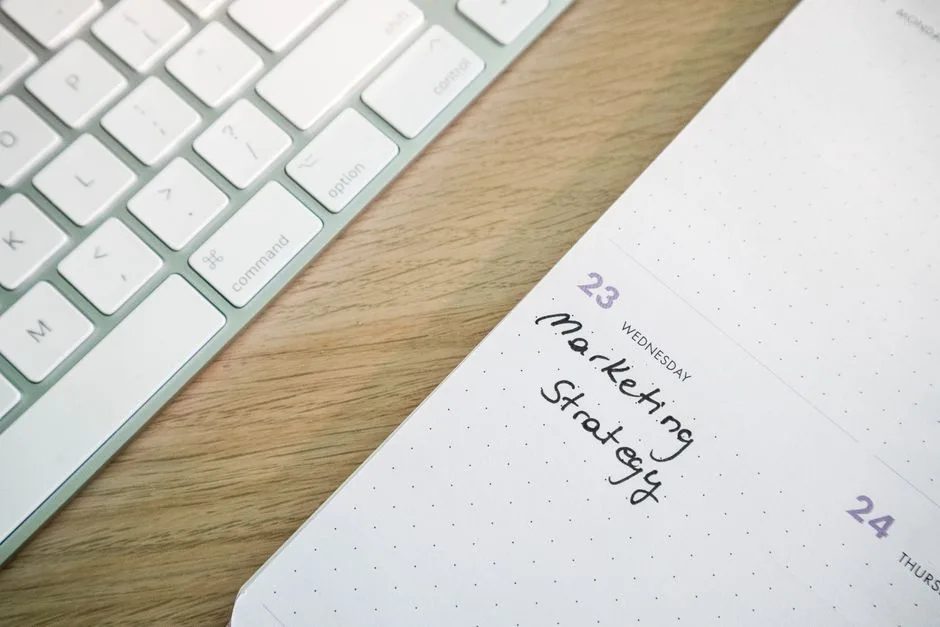
Choosing the right channel
Different events perform better on different platforms: local calendars, city pages, or national directories. Assess audience reach, the time sensitivity of the event, and whether the venue supports online ticketing when selecting a channel.
A local paper might be best for neighborhood events, while a regional calendar can boost visibility for larger happenings. Consider paid boosts only after evaluating potential reach and relevance.
Coordinate with editors to align the listing with breaking news windows or daily deadlines so the event receives timely exposure.
- Local vs regional calendars
- Consider paid boosts carefully
- Coordinate with editors
Tips for multimedia listing
Including a short image or graphic can draw reader attention without slowing the submission. Use a simple, relevant photo that complies with copyright and venue branding rules.
Video clips or a link to a press kit can add context, but ensure fast loading and accessibility. Don’t rely on media to carry the core facts of the listing.
Caption the media with date, location, and a one-sentence summary to keep the listing self-contained.
- Use compliant images
- Provide accessible media
- Capitalize captions with key facts
Common mistakes to avoid
Overloading the listing with details
A listing should be concise and factual. Avoid crowding with extraneous details like weather forecasts or unrelated attractions. Readers want the essentials: who, what, when, where, and how to participate.
- Keep to the essential facts
- Use sidebars for extras
- Eliminate repetition
If additional context is needed, place it in a separate sidebar or follow-up paragraph rather than inside the main listing. This preserves clarity and reduces reader fatigue.
Review each line for redundant information and remove anything that does not aid a reader in planning to attend.
- Stick to essentials
- Move extra details to sidebars
- Remove redundant lines
Ignoring accessibility needs
Ensure the listing is accessible to all readers. Include a readable date and time format, and consider alt text for images. If the event includes live streams, provide captions or transcripts when possible.
Accessibility should be a standard part of the submission process. Check that the platform you publish on supports accessible media and that the text is clear and easy to scan.
Failing to consider accessibility can exclude readers and reduce the credibility of a listing.
- Use clear date formats
- Provide alt text and captions
- Check platform accessibility
Frequently asked questions
Is there a required format for submissions?Most outlets prefer a simple, scannable format that includes event name, date, time, location, and a short description. If a desk requests additional fields, provide them in the order requested. Preparing in advance speeds publication and reduces edits.
How soon should I submit before the event?Submit as early as possible to give editors time for verification, media assets, and potential updates. If an event is time-sensitive, provide a note about any planned last-minute changes.
What if details change after submission?Notify the desk immediately with updated information and reasons. Provide a revised description if needed, and confirm whether a new publication date is required.
Can I attach media to the listing?Yes, include a caption with date, location, and a concise summary. Ensure media complies with copyright rules and accessibility standards.
Conclusion
Editors should prioritize accuracy, clarity, and timeliness when publishing event listings. A well-structured process reduces errors and helps readers plan effectively, especially during fast-moving news cycles.
The next step is to establish a consistent update protocol, so changes reach readers quickly and transparently, preserving trust and usefulness of the listings.
Readers interested in this subject may also want to explore Autonews ve Moda Harmonisi: Haberden Stil for additional perspectives.
Readers interested in this subject may also want to explore How Local Classifieds in the USA for additional perspectives.
You may also find How to Promote Your Business in helpful as it covers related aspects of this subject.
Add Tokyo City News as a preferred source on Google


